甜酱瓜

Search documents
销量翻倍,六必居高级技师陈杰:老字号守正创新是使命
Bei Ke Cai Jing· 2026-02-13 13:28
Core Viewpoint - The recent surge in sales at Liu Bi Ju, a traditional Beijing brand, is attributed to increased consumer interest following a visit from the President, highlighting the importance of heritage and innovation in the brand's strategy [1][4]. Group 1: Sales Performance - Liu Bi Ju's sales at the Longfu Temple area have quadrupled in the last two days, with popular products including "Ma Ren Jin Si" and "Tian Jiang Gua" [1][5]. - The sales of pickled vegetables at the Qianmen store doubled before the Spring Festival, indicating a strong demand for traditional products during the holiday season [5]. Group 2: Innovation and Heritage - The company emphasizes the balance between maintaining traditional quality and innovating products, focusing on brand collaborations and developing new offerings that cater to modern consumer preferences [4]. - Liu Bi Ju has established a complete generational transmission mechanism for its heritage skills, ensuring the systematic continuation of traditional techniques and company culture through a "master-apprentice" model [4]. Group 3: Consumer Engagement and Service - Liu Bi Ju has prepared for the Spring Festival by ensuring sufficient stock across various sales channels, including e-commerce platforms and physical stores, to meet the anticipated demand [5]. - The company has implemented various promotional activities and ensured that all stores remain operational during the holiday period, enhancing the shopping experience for consumers [5].

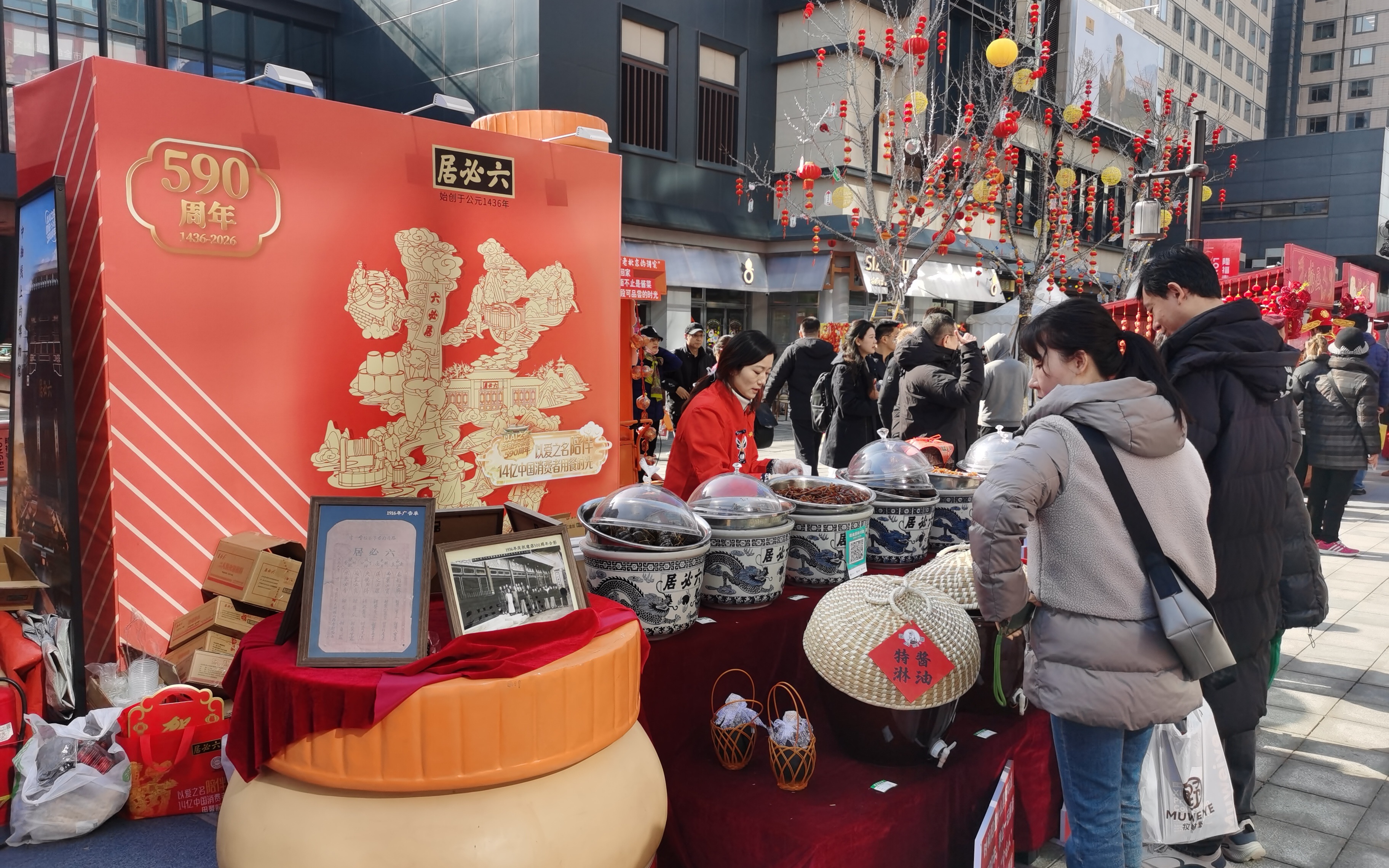
寻找杭州的酱园弄
Hang Zhou Ri Bao· 2025-07-01 03:03
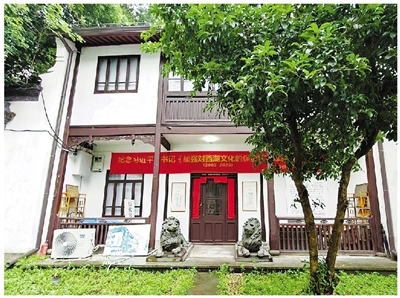
Core Viewpoint - The article discusses the historical significance of "酱园弄" (Jiangyuan Alley) in Hangzhou, highlighting its connection to the famous writer Lu Xun and the cultural importance of traditional sauce shops in the region [13][14][17]. Group A: Historical Significance - Jiangyuan Alley in Hangzhou was historically significant as it was where Lu Xun temporarily resided during his teaching years in 1909 [14][18]. - The only remaining building associated with Jiangyuan Alley is located at No. 12, which now serves as the South Song Coin Museum [15][18]. - The original name of the building was the Huzhou Guild Hall, built by Huzhou merchants for community gatherings [16]. Group B: Traditional Sauce Shops - Historically, Hangzhou had a vibrant culture of sauce shops, with 322 shops recorded before the war [19]. - These shops not only sold soy sauce but also pickled vegetables, which were essential for food preservation before refrigeration [19]. - Notable sauce shops included "惟和" and "恒泰," which have left a lasting legacy in the local culinary scene [20]. Group C: Cultural Legacy - The tradition of purchasing pickled vegetables continues, with places like 景阳观 (Jingyangguan) still attracting long lines of customers [22]. - Elderly residents recall fond memories of visiting sauce shops, emphasizing the cultural significance of these establishments in their daily lives [22].