生命智能基座

Search documents
下一个万亿市场?人形机器人的“脸”和“脑子”,谁来做?
机器人大讲堂· 2026-02-09 04:04
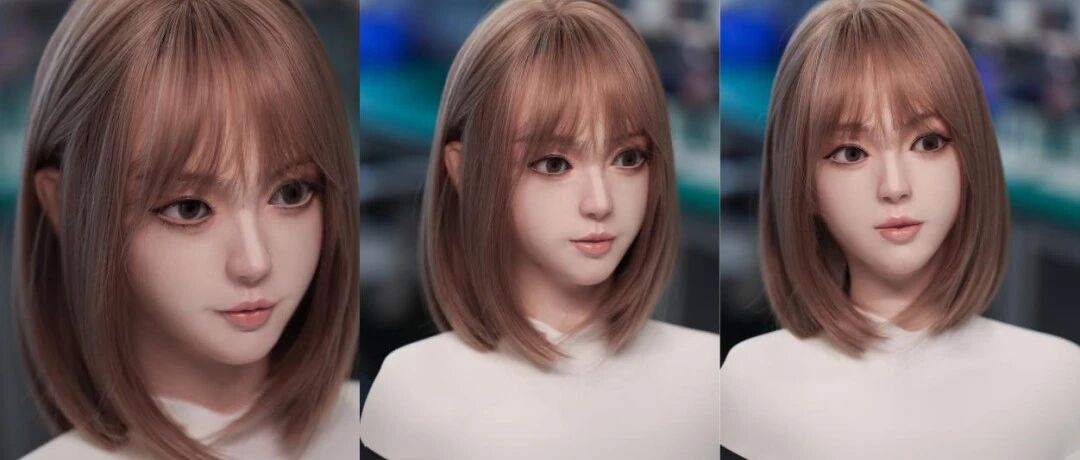
Core Viewpoint - The article discusses the evolution of human-robot interaction, emphasizing the shift from a tool-based interaction paradigm to a more emotionally engaging and life-like interaction model, termed "life-sensing interaction" [7][9][25]. Group 1: Old Paradigm vs. New Paradigm - The past decade has seen human-robot interaction evolve into a history of efficiency but a loss of emotional connection, where interactions have become tool-like and devoid of deeper relationships [7][8]. - The traditional interaction model focuses on task completion, leading to a paradox where more intelligent robots can evoke feelings of loneliness due to their programmed nature [8][9]. - The new paradigm proposed by Yiqing Technology aims to redefine interaction by fostering a sense of existence and understanding rather than mere task execution [9][25]. Group 2: Technological Framework - Yiqing Technology introduces a comprehensive technical framework called "Life Intelligence Base," which aims to inject social intelligence into robots, transforming their heads into primary carriers of life-sensing [11][22]. - The "Lingzhi 5" head integrates 33 micro-motors, allowing for intricate facial expressions and movements, emphasizing the importance of aesthetics in establishing trust [11][13]. - The concept of "life-sensing" is broken down into three dimensions: attention focus, emotional response, and temporal continuity, which together create a more engaging interaction experience [13][14][15]. Group 3: Managing Expectations - The article highlights the challenge of the "Uncanny Valley," where highly realistic robots can evoke discomfort if their behavior does not meet human expectations [17][18]. - Yiqing's strategy focuses on managing expectations by ensuring that robots do not attempt to mimic human expressions too closely, thus avoiding the pitfalls of the Uncanny Valley [19][20]. - The approach emphasizes natural distractions and rhythm over precision, allowing for a smoother transition from perceiving robots as tools to recognizing them as entities worthy of interaction [19][20]. Group 4: Strategic Positioning - Yiqing Technology positions itself not merely as a hardware supplier but as a provider of interactive cores for humanoid robots, enhancing their social interaction capabilities [22][24]. - The company aims to create a unique data asset by collecting multimodal perception signals and continuous emotional states, which could define future standards for bionic interaction [24]. - The exploration of "life-sensing" suggests a need to reassess the priorities in robot development, shifting focus from physical capabilities to interactive intelligence as a key differentiator [24][25]. Group 5: Conclusion and Future Outlook - The article concludes that the competition in the robotics industry is shifting from creating tools to fostering understanding and emotional acceptance of robots [25][27]. - This transition marks a pivotal point in human-robot interaction, where the essence of robots may redefine the boundaries of life and existence [25][27][28].