生椰拿铁Plus

Search documents
泰国神饮圈的爽文“男主”,一夜蒸发50亿
3 6 Ke· 2025-11-25 09:42
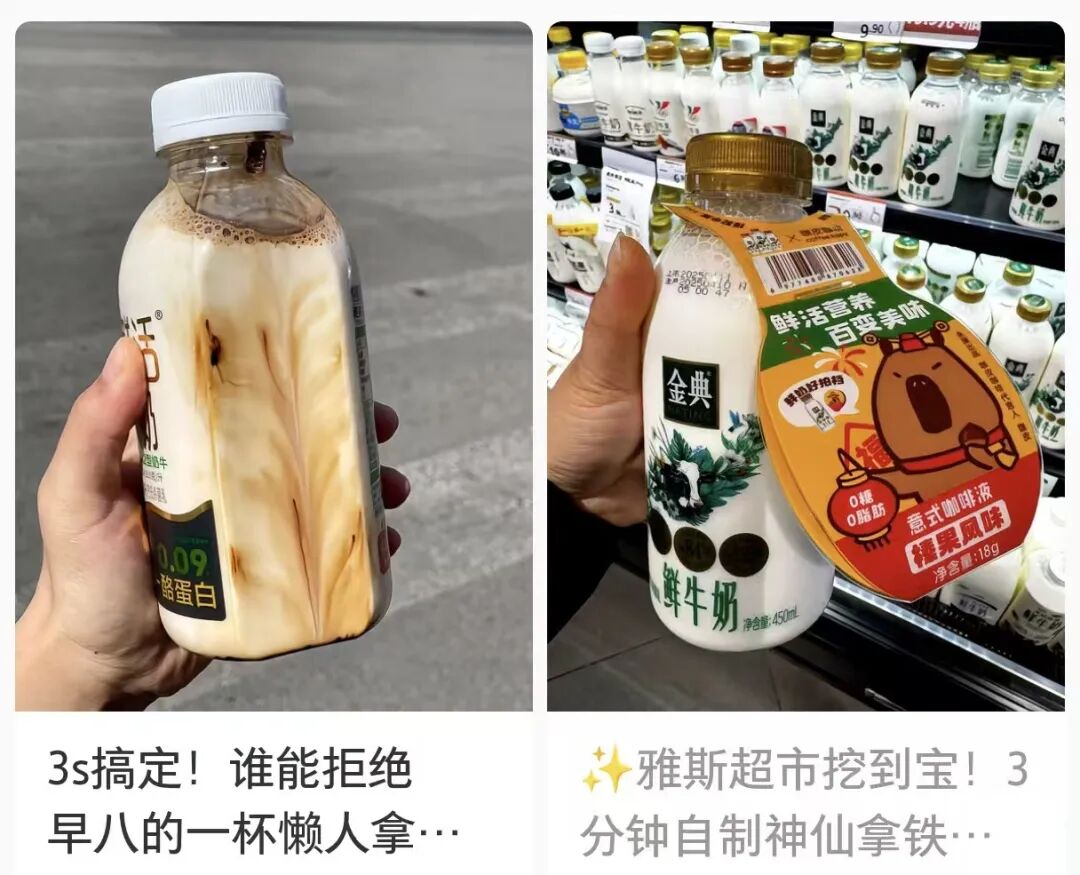
Core Viewpoint - The rise and fall of IFBH, a coconut water brand, highlights the volatility of consumer preferences and the challenges faced by brands that rely heavily on a single product in a competitive market [3][10][31]. Group 1: Market Dynamics - A new product, "3-second latte," has gained immense popularity, showcasing the coffee industry's ability to create trends that resonate with consumers [1]. - IFBH, once a market leader with a valuation of over 100 billion, has seen its market cap halved, losing 5 billion due to declining sales and profitability issues [7][28]. - The coconut water market is becoming increasingly crowded, with over 50 brands competing, leading to a significant drop in IFBH's market share from 55% to 34% [35][40]. Group 2: Consumer Behavior - IFBH's initial success was largely driven by Chinese consumers, contributing 92% of its global sales, but changing consumer preferences have led to a decline in its popularity [11][31]. - The brand's reliance on a single product, if coconut water, has made it vulnerable as competitors introduce a variety of new products [33][40]. - Consumers are increasingly favoring local brands that offer better price-performance ratios, impacting IFBH's sales [40][44]. Group 3: Business Strategy - IFBH's light-asset model, which allowed it to scale quickly without heavy investment in production, is now seen as a weakness as it struggles with supply chain issues and rising costs [32][44]. - The brand's marketing strategies, including celebrity endorsements and collaborations, initially attracted a young consumer base but have not been sufficient to maintain market dominance [20][22][26]. - IFBH's failure to adapt its supply chain and production strategies in response to market changes has led to quality control issues, further eroding consumer trust [51][54].

贴牌“泰国神饮”,被中国白领捧上神坛
商业洞察· 2025-05-17 09:25
Core Viewpoint - The article discusses the rapid rise of IFBH, a Thai company that has successfully captured a significant share of the coconut water market in China, leveraging strategic marketing and operational efficiencies to outperform established competitors like Vita Coco [3][60]. Group 1: Company Overview - IFBH, with only 46 employees, achieved a revenue of 1.16 billion yuan in 2024, with 92.4% coming from the Chinese market [9][60]. - The company holds a 34% market share in China's coconut water sector, making it the leading brand [11][60]. - Each employee at IFBH generated an impressive 25.21 million yuan in revenue, which is 5.3 times more efficient than Moutai [9][60]. Group 2: Market Dynamics - The coconut water market in China is projected to reach approximately 1.08 billion USD in 2024, with a compound annual growth rate of 82.9% over the past five years [60][81]. - The shift in consumer preferences towards healthier, low-calorie beverages has created a favorable environment for coconut water [21][60]. - IFBH capitalized on this trend by associating its product with fitness and health, leading to a threefold increase in online sales [23][60]. Group 3: Competitive Strategy - IFBH's low-cost advantage stems from sourcing high-quality coconut water from Thailand, which is 18% cheaper than local competitors [29][60]. - The company employs a "light asset" model, outsourcing production and focusing on marketing and sales, which allows for rapid market penetration [37][60]. - IFBH's marketing strategy includes collaborations with popular brands and influencers, significantly boosting its visibility and sales [55][57]. Group 4: Challenges and Future Outlook - Despite its success, IFBH faces challenges from domestic brands that are enhancing their supply chains and entering the coconut water market [60][70]. - The reliance on a single product poses risks, especially with potential supply chain disruptions due to climate impacts on coconut production in Thailand [74][75]. - Competitors like Luckin Coffee are expanding their supply chains into coconut-producing regions, which could erode IFBH's cost advantages [70][81].