生物基乙二醇

Search documents
欧洲最大规模生物基化学品项目投产
DT新材料· 2025-12-28 16:05
Core Viewpoint - UPM's investment in a biorefinery in Germany represents a strategic shift towards high-value biochemicals, particularly lignin and bio-based glycols, amidst a declining traditional paper industry [4][11]. Group 1: Investment and Market Potential - UPM's biorefinery in Leuna, Germany, has an investment of €1.3 billion (approximately 10.7 billion RMB) and an annual capacity of 220,000 tons, making it the largest biochemicals industrial investment project in Europe [4]. - The global lignin market is projected to grow from $1.13 billion in 2024 to $1.62 billion by 2032, with a compound annual growth rate (CAGR) of 4.1% [4]. - The bio-based ethylene glycol market is expected to expand from $3 billion in 2024 to $9.2 billion by 2033, with a CAGR of 14.2% [5]. Group 2: Resource Utilization Challenges - The traditional paper industry faces a resource utilization dilemma, where only 70% of a tree is used for pulp, leaving 30% (branches) underutilized, primarily burned for energy [7]. - During the pulping process, lignin is removed, leading to significant waste, as it is typically incinerated for heat recovery [8][9]. Group 3: High-Value Utilization Challenges - The high-value utilization of lignin faces three main challenges: technical and cost barriers, market feasibility, and the need for precise market assessments [10]. - UPM's strategy focuses on converting lignin and sugars into high-value chemicals rather than biofuels, targeting the chemical market instead [11]. Group 4: Product Development and Market Strategy - UPM's biorefinery will produce bio-based ethylene glycol and functional fillers, with a focus on market growth and sustainability [14]. - Bio-based ethylene glycol has a negative carbon footprint of -0.3 kg CO2e/kg, significantly lower than fossil-based alternatives [18]. - The renewable functional filler can replace carbon black and silica in rubber and plastics, offering a carbon footprint reduction of 48-58% [23]. Group 5: Commercialization and Future Outlook - The Leuna biorefinery is set to start commercial production in December 2025, with plans for additional products to be launched in the first half of 2026 [26]. - Chinese companies are encouraged to follow UPM's model to transform lignin from waste to valuable chemicals, leveraging the country's vast agricultural waste resources [28].

中科柏易金郑明远:秸秆糖催化转化制乙二醇技术进展
合成生物学与绿色生物制造· 2025-11-08 15:10
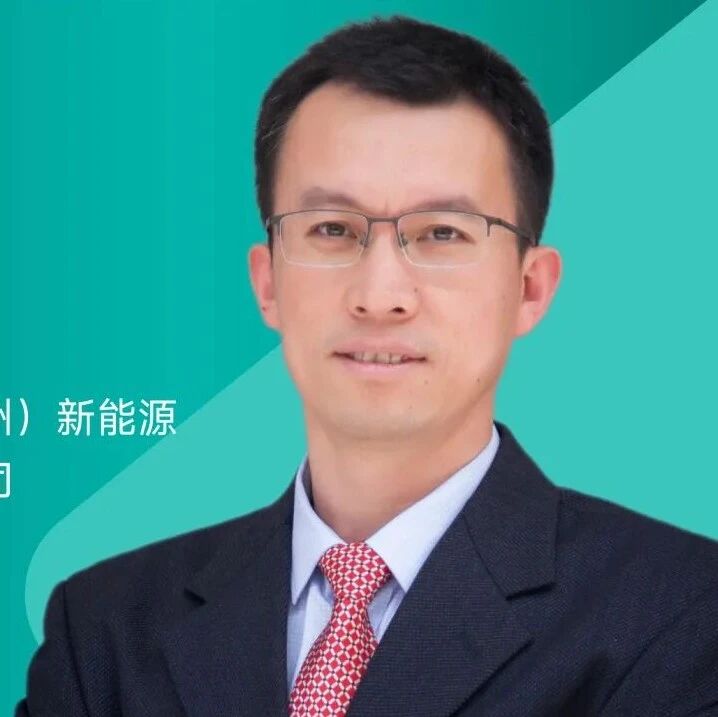
Core Viewpoint - The article discusses the advancements in bio-based ethylene glycol production from biomass resources, highlighting the significance of this technology for sustainable economic development and carbon neutrality goals [2]. Group 1: Bio-based Ethylene Glycol Production - Ethylene glycol is an important polyester monomer, traditionally produced from fossil raw materials like petroleum ethylene. The use of biomass resources such as straw offers a renewable, low-carbon alternative for producing bulk chemicals [2]. - The technology for producing bio-based ethylene glycol was pioneered by a team led by Academician Zhang Tao from Dalian Institute of Chemical Physics in 2008, with the first pilot plant established in Puyang, Henan in early 2022. The plant successfully produced bio-based ethylene glycol in June 2022, achieving a seamless process flow [2]. - The bio-based ethylene glycol produced has been tested and found to have superior quality compared to coal-based ethylene glycol, with performance comparable to petroleum-based products. The next step involves scaling up the technology to a ten-thousand-ton industrial facility [2]. Group 2: Company Overview - Zhongke Baiyi Jin (Zhengzhou) New Energy Technology Co., Ltd., established in 2019, focuses on the industrialization of bio-based low-carbon diols and is a high-tech enterprise in the biomass energy development sector [3]. - The company will participate in the 2025 Non-grain Biomass High-Value Utilization Forum, where Chairman Zheng Mingyuan will present on the progress of straw sugar catalytic conversion technology for ethylene glycol [3][6]. Group 3: Forum and Industry Engagement - The 2025 Non-grain Biomass High-Value Utilization Forum will take place from November 27-29 in Hangzhou, featuring various sessions on bio-based chemicals and materials [8][9]. - The forum will showcase over 50 reports and include a special youth forum aimed at discovering innovative technological achievements in the field of non-grain biomass [8][9].