生物基皮革材料

Search documents
茅台、啤酒、巧克力:千亿“剩宴”变形记
Xin Lang Cai Jing· 2025-12-22 05:17
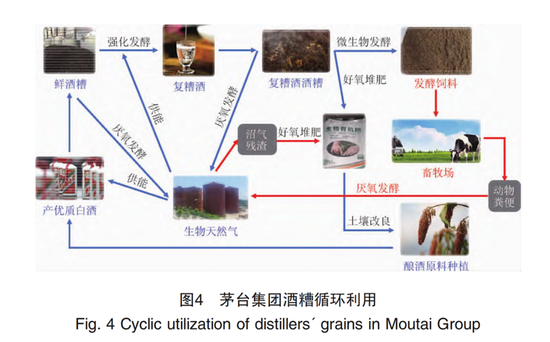
Group 1: Global Market and Technological Drivers - The upcycled food industry is emerging as a significant circular economy pathway, converting food waste into high-value products, addressing the challenge of food waste which accounts for 8%-10% of global greenhouse gas emissions [1][2] - The global upcycled food market is projected to grow at a compound annual growth rate (CAGR) of 5.6%, reaching a market size of $74.8 billion by 2029 according to BCC Research [2][3] - Advanced technologies such as artificial intelligence (AI) and biomanufacturing are driving the rapid development of this industry, with companies like Agrain utilizing AI to optimize the use of brewing waste [2][3][8] Group 2: Diverse Products and Innovative Cases - Upcycled food applications have led to the creation of new product categories, such as upcycled flour from brewing waste by Upcycled Foods and cocoa powder from cocoa fruit pulp [3][10] - Brazilian company Cellva Ingredients has developed "CoffeeCoa," a chocolate ingredient derived from coffee processing waste, providing a unique flavor experience [3][10] - The application of biomanufacturing extends beyond food, as seen in the collaboration between Yiru Biotechnology and China Resources Snow Beer, which produces 100% bio-based leather materials from brewing byproducts [3][10][11] Group 3: Exploration and Practices of Chinese Enterprises - In China, the resource utilization of food byproducts is becoming a key direction for leading companies to implement ESG (Environmental, Social, and Governance) principles [4][11] - Kweichow Moutai's circular investment company has established a complete recycling system for brewing byproducts, processing 300,000 tons annually to produce 120,000 tons of organic fertilizer and 20,000 tons of feed [4][11] - Companies like Shanghai Punotin focus on upgrading byproducts from soybean processing into sustainable food ingredients, while Green Spot Technologies has recently secured €5 million in funding for producing chocolate from fruit waste [5][12] Group 4: Conclusion - The upcycled food industry is building a more efficient and sustainable food supply chain, with potential for greater growth as technology advances and consumer awareness of environmental issues increases [6][14]

瞄准生物基皮革!「贻如生物」与「聚杰微纤」成立合资公司
synbio新材料· 2025-05-07 05:29
Core Viewpoint - The establishment of Anhui Juyi Technology Co., Ltd. marks a significant development in the bio-based materials sector, focusing on research and production of bio-based materials and chemical products [1]. Group 1: Company Overview - Anhui Juyi Technology Co., Ltd. has a registered capital of 11 million yuan and its business scope includes research and sales of bio-based materials [1]. - The company is jointly owned by Shanghai Yiru Biotechnology Co., Ltd. (51%) and Jiangsu Jujie Microfiber Technology Group Co., Ltd. (49%) [3]. Group 2: Key Products and Innovations - Yiru Biotechnology, established in late 2021, has developed core products such as Naro cultivated leather, utilizing directed evolution and gene editing technologies to transform strains and produce microbial fibers and proteins from non-food biomass [5]. - The company has invested 100 million yuan to establish a large-scale production base in Changzhou High-tech Zone, with a planned annual output of 1,500 tons of leather slurry and 12 million meters of leather [5]. - Jujie Microfiber focuses on the research, production, and sales of ultra-fine composite fiber materials, and has recently introduced bio-based leather materials produced through synthetic biology technology, emphasizing high technical content and cost advantages [6].