电商SaaS ERP产品

Search documents
上海,诞生了一个明星IPO
投中网· 2025-10-22 06:32
Core Viewpoint - The article highlights the successful IPO of JuShuiTan, a leading e-commerce SaaS ERP company in China, which reflects the growth and potential of the SaaS industry in the country [5][6]. Company Overview - JuShuiTan was founded in 2014 and has become the largest e-commerce SaaS supplier in China by total revenue, with a market share of 8.7% in 2024 [5][8]. - The company has experienced significant growth, processing 166 billion, 238 billion, and 330 billion orders from 2022 to 2024, respectively [8]. Financial Performance - JuShuiTan's revenue from its two main business segments (e-commerce SaaS ERP products and other e-commerce operation SaaS products) is projected to grow from 5.23 billion to 9.10 billion from 2022 to 2025 [12]. - The company achieved a net profit of 469.6 million in the first half of 2025, marking a turnaround from a loss of 334.4 million in the previous year [13]. Investment and Shareholder Support - The IPO price was set at 30.60 HKD per share, with a market capitalization reaching 130 billion HKD [15]. - Major investors include Sequoia Capital, Blue Lake Capital, and Source Code Capital, who have shown strong support for the company [15][17]. Market Position and Strategy - JuShuiTan's strategy includes expanding its services to overseas merchants and connecting with over 400 global e-commerce platforms by the first half of 2025 [9]. - The company has maintained a high customer retention rate of 115% and has grown its customer base from 45,700 in 2022 to 62,200 by the end of 2024 [13]. Leadership and Vision - The founder, Luo Haidong, emphasizes the importance of long-term investment and patience in the B2B sector, reflecting a deep understanding of the SaaS industry [9][10]. - Investors express confidence in the management team's ability to navigate challenges and capitalize on market opportunities [18].


上海,刚刚诞生一个明星IPO
3 6 Ke· 2025-10-21 04:12
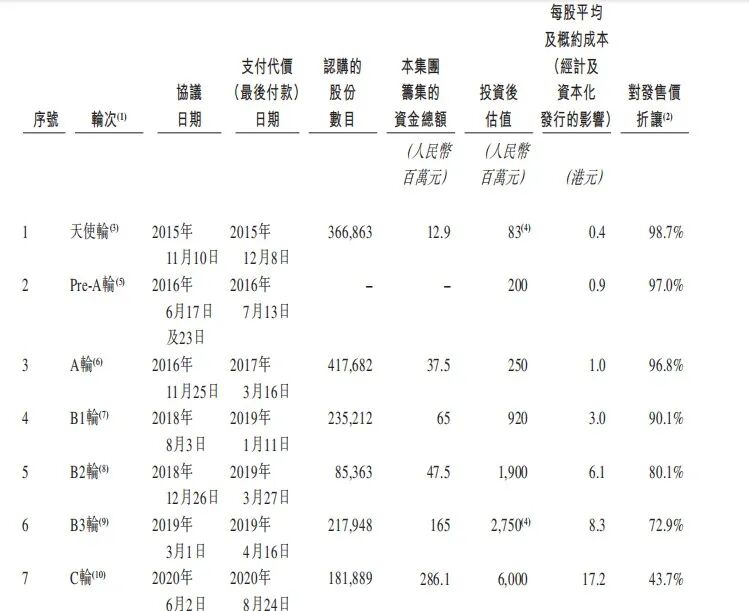
Core Viewpoint - Jushuitan, a leading e-commerce SaaS ERP company in China, successfully went public on the Hong Kong Stock Exchange, achieving a market capitalization of HKD 153 billion shortly after its IPO, with an initial share price of HKD 30.60, which rose over 17% on the first day of trading [1][8]. Company Overview - Founded in 2014, Jushuitan has become the largest e-commerce SaaS supplier in China by total revenue, holding a market share of 8.7% in 2024 [1][3]. - The company has experienced significant growth, with a total customer base of 88,400 and a net customer revenue retention rate of 115% as of 2024 [2][6]. Financial Performance - Jushuitan's revenue from its two main business segments, e-commerce SaaS ERP products and other e-commerce operation SaaS products, showed a compound annual growth rate (CAGR) of 31.9% from 2022 to 2024, with revenues of HKD 5.23 billion, HKD 6.97 billion, and HKD 9.10 billion projected [6][7]. - The company achieved a net profit of HKD 46.96 million in the first half of 2025, marking a turnaround from a loss of HKD 33.44 million in the previous year, and a net profit of HKD 10.58 million in 2024 [6][7]. Market Strategy - Jushuitan has focused on providing digital solutions for overseas merchants and has launched a "globalization of e-commerce business" strategy, connecting merchants with over 400 global e-commerce platforms by the first half of 2025 [3][6]. - The company has maintained a strong focus on its core competencies, including order management, warehousing, and cross-platform collaboration, adapting to various e-commerce platforms such as Alibaba, JD.com, Douyin, and Kuaishou [6][10]. Investment Landscape - Jushuitan's successful IPO attracted significant interest from cornerstone investors, including Sequoia Capital, Blue Lake Capital, and Source Code Capital, among others, indicating strong confidence in the company's growth potential [8][10]. - Early investors have seen substantial returns, with angel round investors achieving a 75-fold return based on the IPO price [8][9].
提前4年破盈利魔咒!聚水潭携豪华基石阵容赴港,拟定21日挂牌上市
Sou Hu Cai Jing· 2025-10-14 07:37
Core Viewpoint - The company, Jushuitan Group, a leading player in the e-commerce SaaS ERP sector in China, is set to go public on the Hong Kong Stock Exchange, marking a significant milestone as it breaks the typical 15-year profitability cycle for SaaS companies, achieving profitability in its 11th year [1][3][5]. Financial Performance - Jushuitan's revenue is projected to grow from 523 million yuan in 2022 to 910 million yuan in 2024, with a compound annual growth rate (CAGR) of 31.9% [4]. - In the first half of 2025, revenue reached 524 million yuan, reflecting a year-on-year growth of 24.4% [4]. - The company reported a net profit of 48.99 million yuan in 2024, achieving profitability four years ahead of the industry average [5]. - The adjusted net profit for the first half of 2025 was 46.96 million yuan, nearing the total for 2024, indicating sustainable profitability [5]. - The gross margin improved from 52.3% in 2022 to 71.8% in the first half of 2025 [4]. Market Position and Growth Potential - The e-commerce SaaS ERP market in China is still in its early stages, with a market size of only 3.1 billion yuan in 2024 and a penetration rate of just 1.6% among active e-commerce merchants, indicating significant growth potential [7]. - Jushuitan holds an 8.7% market share in the e-commerce ERP segment and a 7.1% share in the overall e-commerce SaaS market, ranking second [7]. - The company has established a competitive edge with its ability to connect to over 400 e-commerce platforms and 800+ logistics providers, significantly more than the industry average [8][9]. Investment and Strategic Plans - Jushuitan has secured a strong base of institutional investors, raising 130 million USD from 13 firms, including Sequoia China, indicating market confidence in its future [3][10]. - The company plans to allocate approximately 55% of the IPO proceeds to enhance R&D capabilities, 25% to improve sales and marketing, and 10% for strategic investments [11].

凯德北京投资基金管理有限公司:聚水潭300%负债率下的上市豪赌
Sou Hu Cai Jing· 2025-05-31 07:03
Core Viewpoint - The company, Jushuitan, is facing significant financial challenges as it attempts to go public for the fourth time on the Hong Kong Stock Exchange, with a debt-to-equity ratio exceeding 300% and reliance on tax losses to show profitability, raising doubts about its sustainability [2][3]. Financial Performance - In 2024, Jushuitan reported a net profit of 11 million yuan, primarily due to over 90 million yuan in tax credits from past losses, while actual operating losses reached 62 million yuan, indicating an unsustainable profit model [3]. - The deferred tax assets recognized in 2024 lack reasonable explanation, leading to accusations of "window dressing" in financial statements [3]. Debt and Cash Flow Issues - The company is under pressure from 3.144 billion yuan in preferred stock redemption, which will trigger buyback clauses if it fails to go public by the end of 2025 [4]. - As of the end of 2024, Jushuitan's cash reserves stood at only 1.085 billion yuan, with annual operating cash inflow below 300 million yuan, risking cash flow disruption if buybacks commence [4]. Market Challenges - The Chinese e-commerce SaaS ERP market is projected to grow from 3.1 billion yuan in 2024 to only 8.3 billion yuan by 2029, insufficient to support Jushuitan's valuation of 6 billion yuan [5]. - The company's core functionalities are highly similar to competitors like Kingdee and Weimob, with insufficient investment in cutting-edge technologies, while major players like Alibaba Cloud offer free basic ERP services to over 10 million merchants, leaving Jushuitan with only 88,400 customers [5]. Capital Market Trust Issues - Major institutions, including Goldman Sachs, have withdrawn their support, with shareholders cashing out over 300 million yuan from 2021 to 2023, further eroding confidence in the company [5]. - The founder's stock freeze incident has also contributed to the decline in investor trust [5]. Future Strategies - Jushuitan plans to use IPO proceeds for technology development and market expansion, but without establishing differentiated barriers in niche areas or accelerating cross-border business transformation, even a successful IPO may not resolve the inherent limitations of the industry and pressure from larger competitors [6]. - The upcoming IPO represents not only a fundraising effort but also a critical battle to maintain capital trust [6].