瘦素

Search documents
解读1994年《Nature》里程碑式论文:瘦素奥秘揭示
GLP1减重宝典· 2025-12-27 03:28
Core Viewpoint - The article discusses the genetic and physiological mechanisms underlying obesity, particularly focusing on the ob gene in mice and its implications for human obesity and metabolic disorders [7][12][14]. Group 1: Genetic Mechanisms of Obesity - The ob gene is crucial for regulating energy balance, and mutations in this gene can lead to severe obesity and type 2 diabetes, resembling human pathological obesity [7][9]. - The ob gene product is a signaling molecule from adipose tissue that regulates the size of fat reserves [9][10]. - Research has identified five single-gene mutations that can cause obesity phenotypes, with the ob mutation being the first discovered [7][12]. Group 2: Physiological Mechanisms of Energy Balance - Energy balance, defined as the relationship between food intake and energy expenditure, is regulated by physiological processes, particularly in the hypothalamus [12][14]. - The hypothalamic ventromedial nucleus (VMH) is identified as a critical center for satiety regulation, and its damage leads to weight gain due to increased food intake and decreased energy expenditure [12][13]. - The article highlights the need for further exploration of the specific mechanisms by which the central nervous system regulates body weight, including potential endocrine, paracrine, and autocrine effects of the ob protein [14]. Group 3: Implications for Obesity Research - The discovery of the ob gene provides a new perspective on fat and weight regulation, offering deeper insights into the pathophysiological mechanisms of obesity [14]. - The ob gene's role in signaling suggests that it may interact with the central nervous system to modulate eating behavior and autonomic nervous activity [14]. - Future research is needed to clarify the molecular basis of ob RNA expression changes and its implications for obesity management [13][14].


体重为啥总减不下来?中疾控提示2个关键“隐形推手”
Ren Min Wang· 2025-10-17 07:09
Core Insights - The article discusses the hidden factors contributing to weight gain, emphasizing that insufficient sleep and chronic stress are significant contributors beyond diet and exercise [1] Sleep and Weight Management - Sleep deprivation disrupts the balance of appetite-regulating hormones, specifically increasing ghrelin (hunger hormone) by 28% and decreasing leptin (satiety hormone) by 18% after just two days of less than 5 hours of sleep [2] - This hormonal imbalance leads to a 33%-45% increase in cravings for high-carbohydrate and high-calorie foods, while cravings for low-calorie fruits and vegetables only increase by 5%-8% [2] - Insufficient sleep also reduces insulin sensitivity, requiring more insulin to maintain blood sugar levels, which can lead to increased fat storage, particularly in the abdominal area [2] Stress and Weight Management - Chronic stress results in elevated cortisol levels, which can lead to weight gain by promoting insulin resistance and increasing appetite through the stimulation of ghrelin and suppression of leptin [3] - Elevated cortisol levels can cause blood sugar fluctuations, necessitating repeated insulin secretion, which can convert excess glucose into fat [3] Strategies for Weight Management - Establishing a regular sleep schedule is crucial, with recommendations to sleep between 10 PM and 7 AM, ensuring 7-8 hours of sleep [5] - Engaging in light physical activities before bed, such as low-intensity resistance exercises or yoga, can promote relaxation and improve sleep quality [6] - Incorporating moderate-intensity aerobic exercise or strength training during the day can help alleviate stress and enhance sleep quality by increasing endorphin and melatonin levels [7] - Dinner should be light and nutritious, avoiding high-fat and hard-to-digest foods, with suggestions for preparing low-calorie snacks for late-night work [8] - The article emphasizes that quality sleep and emotional stability are foundational for effective weight management, advocating for a holistic approach to achieving metabolic balance [8]
饿的时候大脑会开启“省电模式”,让人“变笨”
3 6 Ke· 2025-05-21 23:08
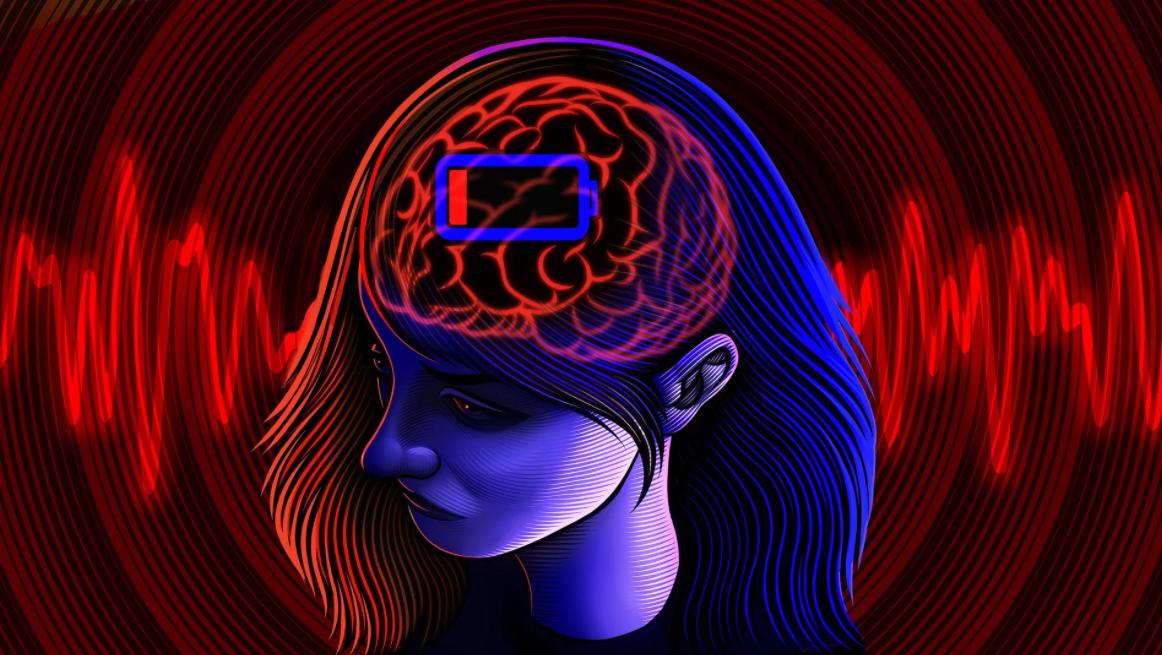
Core Insights - The article discusses a study revealing that the brains of mice enter a "low-power mode" when food is scarce, reducing energy consumption at the cost of sensory precision [3][4][5] Group 1: Energy Conservation Mechanism - When mice experience prolonged hunger, their brain neurons reduce ATP usage by up to 29%, leading to decreased visual processing accuracy [3][4][10] - This energy-saving strategy is a response to food scarcity, allowing the brain to prioritize essential functions for survival [12][13] Group 2: Impact on Sensory Perception - Mice in a low-power mode show diminished ability to distinguish between visual stimuli, particularly when the differences are subtle, indicating a trade-off between energy conservation and sensory acuity [12][13] - The study suggests that the brain prioritizes survival-related functions over detailed sensory processing when energy is limited [13][14] Group 3: Broader Implications - The findings raise questions about how nutritional status affects cognitive functions and sensory perception across different species, including humans [16][17] - The research highlights the need for careful experimental design in neuroscience to understand the effects of physiological states on brain function [16][17]