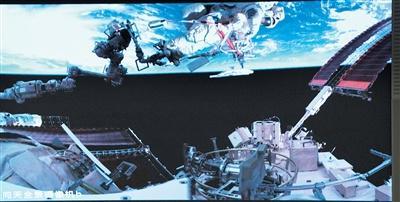
登月服

Search documents
“飞天战衣”光荣退役 将助力中国登月服研制
Yang Shi Xin Wen· 2026-01-19 11:27
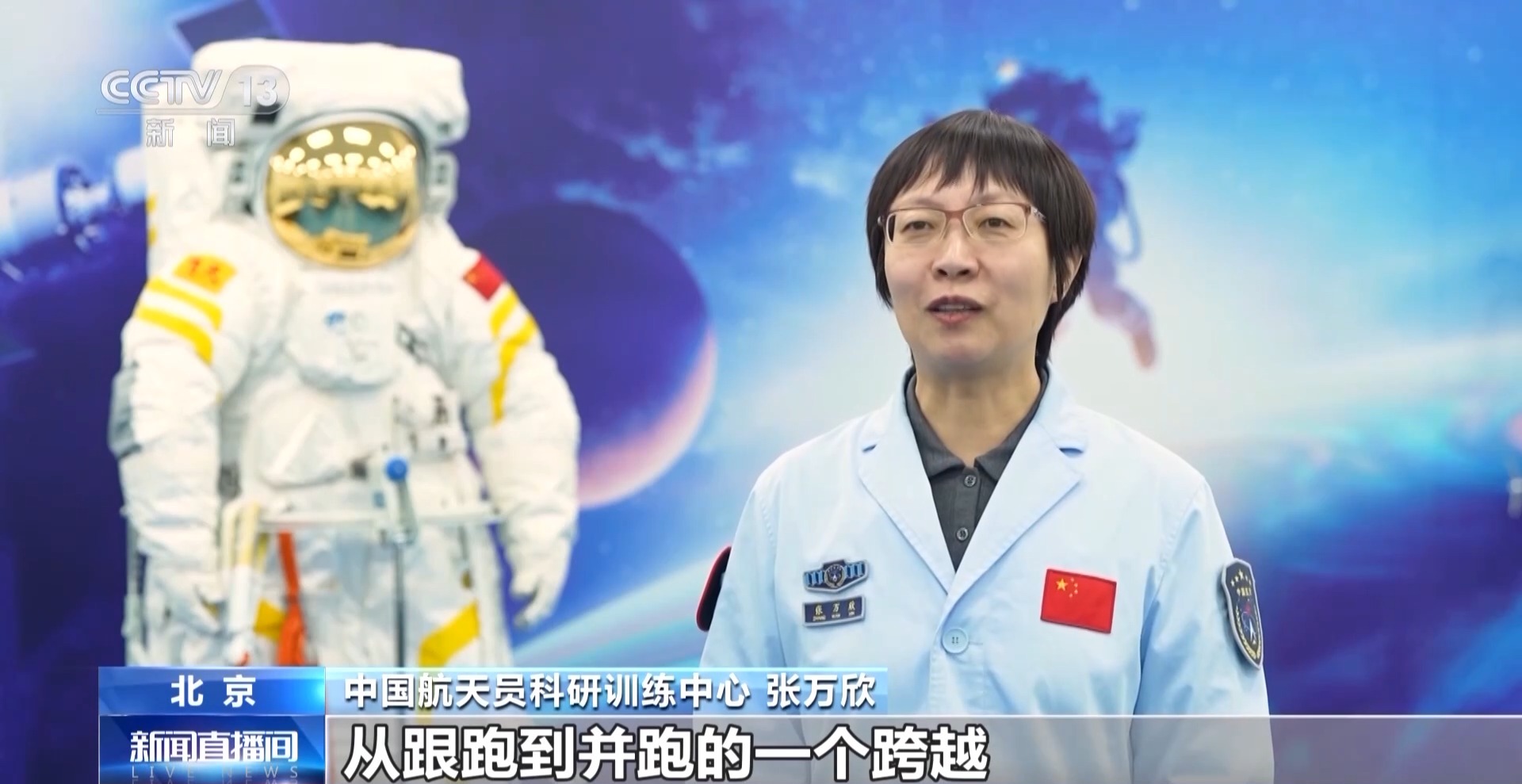
Core Viewpoint - The successful return of the Shenzhou-20 spacecraft marks a significant achievement in China's space program, particularly in the development and evaluation of extravehicular spacesuits, which have demonstrated extended service life and enhanced performance in space missions [1][3]. Group 1: Spacesuit Performance and Evaluation - The extravehicular spacesuit (B) has been used in 8 manned missions by 11 astronauts, achieving a record of "4 years and 20 uses," which is a significant extension of its intended lifespan [12]. - The spacesuit is designed for a storage period of 3 years in orbit, with a minimum of 15 extravehicular activities, but has been successfully evaluated and extended to support 20 activities over 4 years [3][12]. - The data collected from the spacesuit's performance in space will contribute to future research and development, particularly in improving the durability and efficiency of upcoming spacesuit models [5][8]. Group 2: Technological Advancements and Future Applications - China's spacesuit technology has progressed from a following position to a competitive one internationally, with the first batch of spacesuits effectively supporting 46 extravehicular activities [3]. - The experience gained from the current spacesuit will inform the design and production of future models, including those intended for lunar missions, providing a solid foundation for advancements in space exploration technology [10][14]. - The ongoing analysis of the returned spacesuit will focus on identifying weaknesses and enhancing the reliability and safety of future designs [7][8].

从“3年15次”到“4年20次” “飞天战袍”护航深空探索
Ren Min Ri Bao Hai Wai Ban· 2025-09-06 01:38
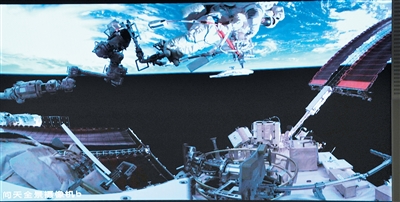
Core Insights - The Shenzhou-20 crew successfully completed their third extravehicular activity, with astronaut Chen Dong becoming the Chinese astronaut with the most extravehicular activities, totaling six [1] - The extravehicular suit B has supported 20 extravehicular missions, achieving the goal of "4 years and 20 times" lifespan extension, marking a significant milestone for China's space program [1][3] Group 1: Extravehicular Suit Performance - The second-generation "Feitian" extravehicular suit is designed for a lifespan of "3 years with no less than 15 extravehicular activities" [2] - As of early 2024, the suit has approached the design limit of "3 years and 15 times," prompting a thorough assessment of its remaining lifespan [2] - The suit B has been used by 11 astronauts across 8 manned missions, providing robust support for the operational tasks of the space station [2] Group 2: Technological Advancements - The second-generation "Feitian" extravehicular suit has overcome key technological challenges, ensuring long lifespan, high safety, and efficient operational support [4] - The suit's multi-layer design provides strong protection against vacuum, radiation, and extreme temperatures, showcasing advanced engineering [6] - The suit's flexibility is enhanced by a bionic structure and adjustable components, allowing for a single suit to be used by multiple astronauts [6] Group 3: Future Developments - New models D and E of the "Feitian" extravehicular suit have been delivered, with an improved operational lifespan of "4 years and 20 times" [3] - The development of the lunar suit is progressing well, leveraging technologies from the extravehicular suit to meet the challenges of lunar exploration [7] - Future designs for extravehicular suits will focus on modularity, lightweight construction, and multi-purpose integration to adapt to various exploration tasks [7][8]
“飞天战袍”护航深空探索(知与不知)
Ren Min Wang· 2025-09-05 22:22
Core Points - The Shenzhou-20 crew successfully completed their third extravehicular activity, with astronaut Chen Dong setting a record for the most extravehicular activities by a Chinese astronaut, totaling six [2] - The extravehicular suit B worn by Chen Dong has supported 20 extravehicular missions, achieving the goal of "4 years and 20 times" lifespan extension, marking a significant milestone for China's space station [2][4] Summary by Sections Extravehicular Suit Performance - The second-generation "Feitian" extravehicular suit is designed for a lifespan of "3 years with at least 15 extravehicular activities" [3] - As of early 2024, the suit has approached the limit of "3 years and 15 times" usage, prompting a need for a lifespan assessment [3] - A scientific evaluation and health monitoring plan was developed to assess the remaining lifespan of the suit, which has been confirmed to be in good condition [3] Technological Advancements - The "Feitian" extravehicular suit represents advanced technology and is crucial for ensuring astronaut safety and operational efficiency during extravehicular activities [5] - The suit features a multi-layer design for protection against vacuum, radiation, and extreme temperatures, with various layers serving specific functions [5] - The suit's flexibility is enhanced by a bionic structure and integrated helmet and torso design, allowing for better movement [5][6] Future Developments - Two new second-generation "Feitian" extravehicular suits (D and E) have been delivered to the space station, with an improved operational lifespan of "4 years and 20 times" [4] - The development of the lunar suit is progressing well, with plans for a manned moon landing by 2030, leveraging technologies from the "Feitian" suit [7] - The design philosophy for future suits includes modularity, lightweight construction, and multi-purpose integration to meet diverse mission requirements [7][8]