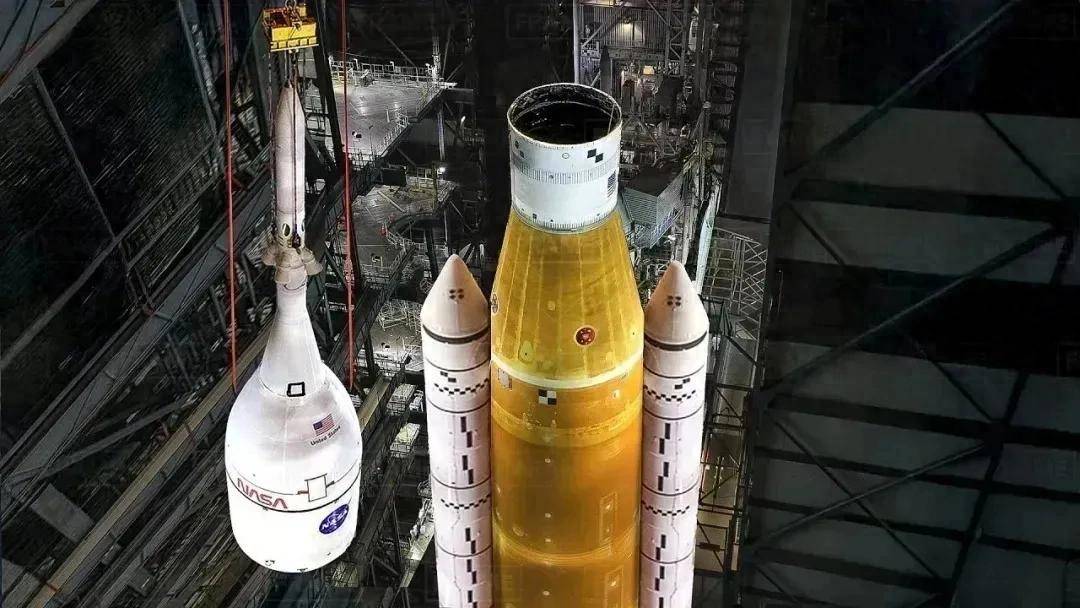
登月舱

Search documents
2月载人绕月飞船发射被喊停!马斯克态度反转:助力NASA载人登月
Sou Hu Cai Jing· 2026-02-08 06:24
Core Viewpoint - The Artemis 2 mission, initially scheduled for launch on February 6, has been postponed to March due to a fuel leak incident during a wet dress rehearsal on February 2, highlighting ongoing technical challenges in NASA's lunar program [1][4]. Group 1: Mission Details - The Artemis 2 mission aims to send four astronauts to lunar orbit, marking a significant step compared to the uncrewed Artemis 1 mission [4]. - The wet dress rehearsal was intended to integrate and test all systems on the Space Launch System (SLS) rocket, but a fuel leak occurred during propellant loading [3][4]. - NASA has emphasized the importance of resolving the fuel leak issue before proceeding with the launch, prioritizing astronaut safety [4][5]. Group 2: Technical Challenges - The fuel leak issue is not new, as similar problems were encountered during the Artemis 1 mission's wet dress rehearsal, which led to significant delays [3][4]. - NASA's current launch window extends from February to April, and further delays could result in missing this critical opportunity [5]. - If the March launch does not occur, the SLS rocket may require additional repairs, including battery replacements, complicating the timeline further [5]. Group 3: Role of SpaceX - SpaceX is playing a crucial role in the Artemis program by providing the lunar lander, while Boeing and Lockheed Martin are responsible for the rocket and spacecraft, respectively [5][7]. - Despite SpaceX's successes with other missions, the development of the lunar lander is reportedly facing delays, which could impact the overall timeline for returning astronauts to the Moon [5][7]. - SpaceX has prioritized the lunar lander project over its Mars mission, indicating the significance of the lunar objectives for both NASA and SpaceX [7][14]. Group 4: Broader Implications - The delays in the Artemis program raise concerns about the feasibility of achieving the goal of returning humans to the Moon by 2024, reflecting the complexities and challenges of the U.S. space program [8]. - The potential shift in focus from lunar missions to Mars, as suggested by previous statements from political figures, could jeopardize the technological advancements made for lunar exploration [10]. - Achieving a manned Mars landing remains a formidable challenge, with the need to overcome significant technical hurdles and environmental risks [11][13].