盔饰

Search documents
家乡年味最浓
Xin Lang Cai Jing· 2026-02-16 09:53
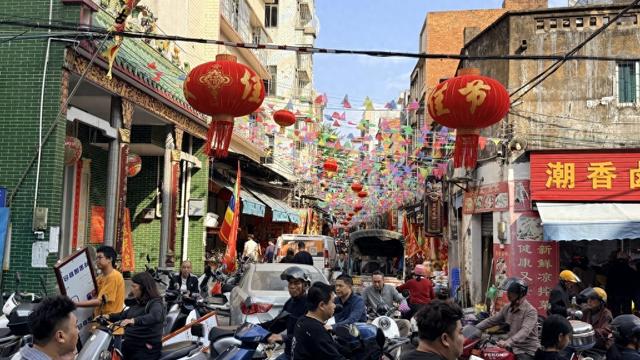
Core Viewpoint - The article highlights the growing popularity of traditional cultural experiences in small cities, particularly in the context of tourism during the Chinese New Year, with a focus on the unique cultural heritage of Wuchuan, Guangdong Province [1]. Group 1: Cultural Heritage and Tourism - The "Ten Cross Street" in Meilun has seen an influx of tourists from various regions, including Beijing and Shanghai, who come to experience local traditions and take photos [2]. - The street is known for its historical significance and has transformed into a hub for dragon and lion dance crafts, attracting both locals and tourists [2][3]. - The local dragon and lion dance crafts, particularly the traditional making of lion heads, have gained recognition, with the "Li Yi Ji Dragon Lion Art Workshop" being a notable establishment in this area [3]. Group 2: Non-Material Cultural Heritage - The "Li Yi Ji" workshop's lion head-making technique was included in the ninth batch of municipal intangible cultural heritage representative projects in Zhanjiang [3]. - The Ministry of Culture and Tourism encourages the integration of intangible cultural heritage with tourism, promoting traditional performances and crafts to enhance the tourism experience [3]. - The lion dance, particularly the southern lion dance from Guangdong, is recognized as a significant cultural activity that combines martial arts, dance, and music, serving as a cultural bridge for overseas Chinese communities [3]. Group 3: Local Traditions and Events - The festive atmosphere during the Chinese New Year in the region includes various traditional activities such as lion dances, which are performed in local villages and attract large crowds [5][6]. - The practice of ordering new lion heads and drums for the New Year celebrations begins as early as November, indicating the cultural significance and preparation for the festivities [5]. - The "yearly feast" tradition, where families invite friends and relatives, continues into the second or third month of the lunar calendar, showcasing the extended celebration period in the region [5].
新春走基层·见喜|家乡年味最浓
Xin Lang Cai Jing· 2026-02-16 06:48
Core Viewpoint - The article highlights the increasing popularity of traditional cultural experiences during the Chinese New Year, particularly in small cities like Wuchuan, Guangdong, where local customs and crafts attract both local and foreign tourists [1][3]. Group 1: Cultural Significance - The "Ten Cross Street" in Meilun has become a hub for traditional folk culture, attracting visitors from various regions including Beijing, Shanghai, and Xinjiang, who come to experience local customs such as lion dance and drum performances [3][6]. - The local dragon and lion craft industry has gained recognition, with the "Li Yi Ji Dragon and Lion Art Workshop" being noted for its traditional craftsmanship, which was included in the city’s intangible cultural heritage list [6][8]. Group 2: Economic Impact - The influx of tourists has led to increased business for local shops, with many visitors purchasing traditional items like lion heads and drums in preparation for the New Year celebrations [11]. - The demand for lion dance performances has surged, with local teams being invited to showcase their skills at various events, further promoting the local economy and cultural heritage [13]. Group 3: Community Engagement - The community actively participates in traditional activities, with many villages placing orders for new lion heads and drums months in advance to prepare for the festive season [11]. - The cultural events during the New Year, such as lion dances and parades, serve to strengthen community bonds and enhance the festive atmosphere, making it a significant time for local traditions [12][13].