醒狮

Search documents
美国小哥:我在醒狮发源地,找到了最正的中国年!
Xin Lang Cai Jing· 2026-02-19 08:41
Core Viewpoint - The article highlights the cultural significance of the lion dance during the Spring Festival in Guangdong, emphasizing its role as a symbol of good fortune and the vibrant spirit of the Lingnan region [1] Group 1: Cultural Significance - The lion dance is described as a representation of auspiciousness and is a key element in celebrating the Spring Festival, showcasing the local traditions of Guangdong [1] - The high pole "cai qing" performance is noted for its demonstration of courage and teamwork, reflecting the pioneering spirit of the Lingnan people [1] Group 2: Regional Identity - The lion dance is a common cultural symbol across the Greater Bay Area, including Guangzhou, Hong Kong, and Macau, reinforcing regional identity during festive occasions [1] - The excitement and energy associated with the lion dance are highlighted, portraying it as an essential part of the celebratory atmosphere during the Spring Festival [1]
游走中国|美国小哥:我在醒狮发源地,找到了最正的中国年!
Xin Lang Cai Jing· 2026-02-19 08:40
Core Viewpoint - The article highlights the cultural significance of the lion dance during the Spring Festival in Guangdong, emphasizing its role as a symbol of good fortune and a representation of the spirit of the Lingnan region [1] Group 1: Cultural Significance - The lion dance is described as a vital part of the Spring Festival celebrations, symbolizing auspiciousness and joy [1] - The high pole "cai qing" performance showcases courage and teamwork, reflecting the pioneering spirit of the Lingnan people [1] Group 2: Regional Identity - The lion dance is a common cultural symbol across the Greater Bay Area, including Guangzhou, Hong Kong, and Macau, enhancing the festive atmosphere during celebrations [1] - The article conveys a sense of excitement and pride in experiencing the lion dance in its place of origin, highlighting its importance to local identity [1]
(新春见闻)“江南宋城”江西赣州举行民俗踩街 大年初一闹新春
Xin Lang Cai Jing· 2026-02-17 11:13
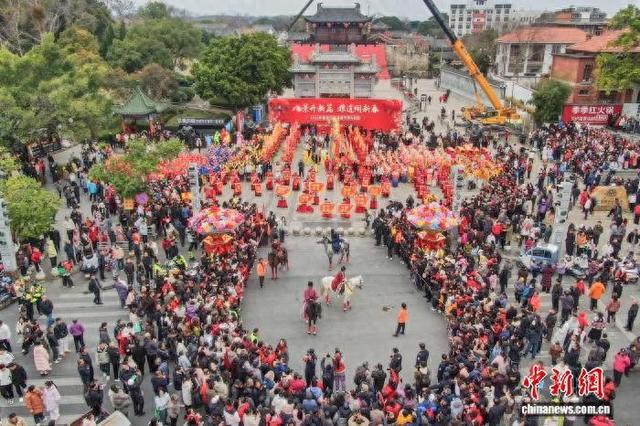
Core Viewpoint - The "Jiangnan Song City" in Ganzhou, Jiangxi, held a lively folk parade on February 17, celebrating the Lunar New Year with over 500 participants showcasing various traditional performances [2][4][5]. Group 1: Event Details - The parade commenced from the Junmen Tower in the Zhanggong District of Ganzhou [2][4]. - The event featured over ten traditional folk projects, including lion dances, Hakka snake dragon performances, Song Dynasty lanterns, and carp lanterns [2][5][6]. - The vibrant performances attracted numerous spectators who stopped to watch along the parade route [2][6][7]. Group 2: Visual Documentation - Aerial photographs captured the parade as it progressed, highlighting the colorful displays and the interaction between the performers and the audience [5][9][11]. - Images also depicted various performance groups, including the Hakka snake dragon team and the drum team, contributing to the festive atmosphere [8][9][11].

家乡年味最浓
Xin Lang Cai Jing· 2026-02-16 09:53
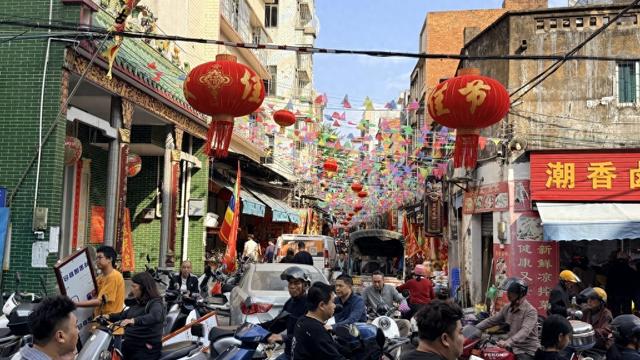
Core Viewpoint - The article highlights the growing popularity of traditional cultural experiences in small cities, particularly in the context of tourism during the Chinese New Year, with a focus on the unique cultural heritage of Wuchuan, Guangdong Province [1]. Group 1: Cultural Heritage and Tourism - The "Ten Cross Street" in Meilun has seen an influx of tourists from various regions, including Beijing and Shanghai, who come to experience local traditions and take photos [2]. - The street is known for its historical significance and has transformed into a hub for dragon and lion dance crafts, attracting both locals and tourists [2][3]. - The local dragon and lion dance crafts, particularly the traditional making of lion heads, have gained recognition, with the "Li Yi Ji Dragon Lion Art Workshop" being a notable establishment in this area [3]. Group 2: Non-Material Cultural Heritage - The "Li Yi Ji" workshop's lion head-making technique was included in the ninth batch of municipal intangible cultural heritage representative projects in Zhanjiang [3]. - The Ministry of Culture and Tourism encourages the integration of intangible cultural heritage with tourism, promoting traditional performances and crafts to enhance the tourism experience [3]. - The lion dance, particularly the southern lion dance from Guangdong, is recognized as a significant cultural activity that combines martial arts, dance, and music, serving as a cultural bridge for overseas Chinese communities [3]. Group 3: Local Traditions and Events - The festive atmosphere during the Chinese New Year in the region includes various traditional activities such as lion dances, which are performed in local villages and attract large crowds [5][6]. - The practice of ordering new lion heads and drums for the New Year celebrations begins as early as November, indicating the cultural significance and preparation for the festivities [5]. - The "yearly feast" tradition, where families invite friends and relatives, continues into the second or third month of the lunar calendar, showcasing the extended celebration period in the region [5].
新春走基层·见喜|家乡年味最浓
Xin Lang Cai Jing· 2026-02-16 06:48
Core Viewpoint - The article highlights the increasing popularity of traditional cultural experiences during the Chinese New Year, particularly in small cities like Wuchuan, Guangdong, where local customs and crafts attract both local and foreign tourists [1][3]. Group 1: Cultural Significance - The "Ten Cross Street" in Meilun has become a hub for traditional folk culture, attracting visitors from various regions including Beijing, Shanghai, and Xinjiang, who come to experience local customs such as lion dance and drum performances [3][6]. - The local dragon and lion craft industry has gained recognition, with the "Li Yi Ji Dragon and Lion Art Workshop" being noted for its traditional craftsmanship, which was included in the city’s intangible cultural heritage list [6][8]. Group 2: Economic Impact - The influx of tourists has led to increased business for local shops, with many visitors purchasing traditional items like lion heads and drums in preparation for the New Year celebrations [11]. - The demand for lion dance performances has surged, with local teams being invited to showcase their skills at various events, further promoting the local economy and cultural heritage [13]. Group 3: Community Engagement - The community actively participates in traditional activities, with many villages placing orders for new lion heads and drums months in advance to prepare for the festive season [11]. - The cultural events during the New Year, such as lion dances and parades, serve to strengthen community bonds and enhance the festive atmosphere, making it a significant time for local traditions [12][13].
年轻人在非遗中“寻味中国年”
Xin Lang Cai Jing· 2026-02-07 19:44
Core Viewpoint - The event "Intangible Cultural Heritage New Year Celebration: Exploring Chinese New Year" showcases over 130 intangible cultural heritage projects and aims to engage younger generations with traditional crafts and foods [2][4][5]. Group 1: Event Overview - The event features participation from 15 provinces and regions, including Hong Kong and Macau, highlighting a variety of intangible cultural heritage projects [2]. - The "Taste of Chinese New Year" exhibition area is particularly vibrant, showcasing local delicacies and traditional snacks, creating a sensory experience of the holiday [2][4]. Group 2: Culinary Highlights - The booth of Guangzhou Gong Yinjiji Beef Offal Pot attracts many visitors, with the representative inheritor, Gong Shihong, emphasizing the importance of traditional recipes while also innovating to meet modern health preferences [2][5]. - The "Hundred-Year Grandma Soup" recipe, passed down through generations, exemplifies the blend of tradition and modern dietary trends [2]. Group 3: Fashion and Crafts - The "Huayi Renewed" exhibition area features traditional crafts like Xiangyun silk dyeing, which has been modernized to appeal to younger consumers through contemporary designs [4][5]. - The integration of traditional craftsmanship with modern aesthetics allows for a revival of interest among young people, making these products suitable for everyday wear [4][5]. Group 4: Cultural Integration and Innovation - The event showcases the fusion of traditional arts with contemporary culture, such as collaborations with popular mobile games to create immersive experiences that resonate with younger audiences [7]. - The concept of "Intangible Cultural Heritage + Cultural and Tourism Integration" is promoted to ensure that traditional crafts remain relevant in daily life [7]. Group 5: Community Engagement - The event encourages participation from all age groups, showcasing the commitment of inheritors from different generations to keep traditional crafts alive and relevant [5][7]. - Various activities, including the "Guangdong New Year Customs Tourism Routes," aim to connect cultural heritage with tourism, inviting both domestic and international visitors to experience the charm of intangible cultural heritage [7].
非遗传承萌宝迎新年
Xin Lang Cai Jing· 2025-12-27 22:49
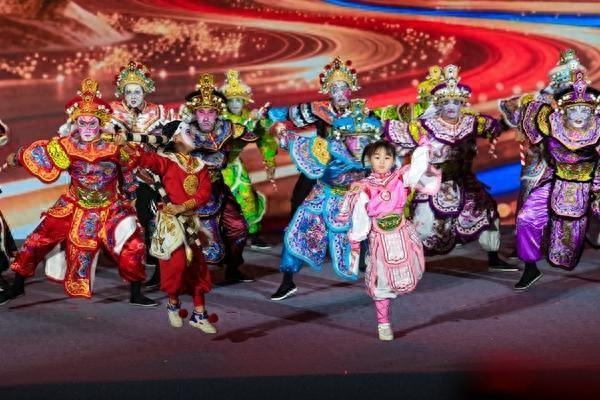
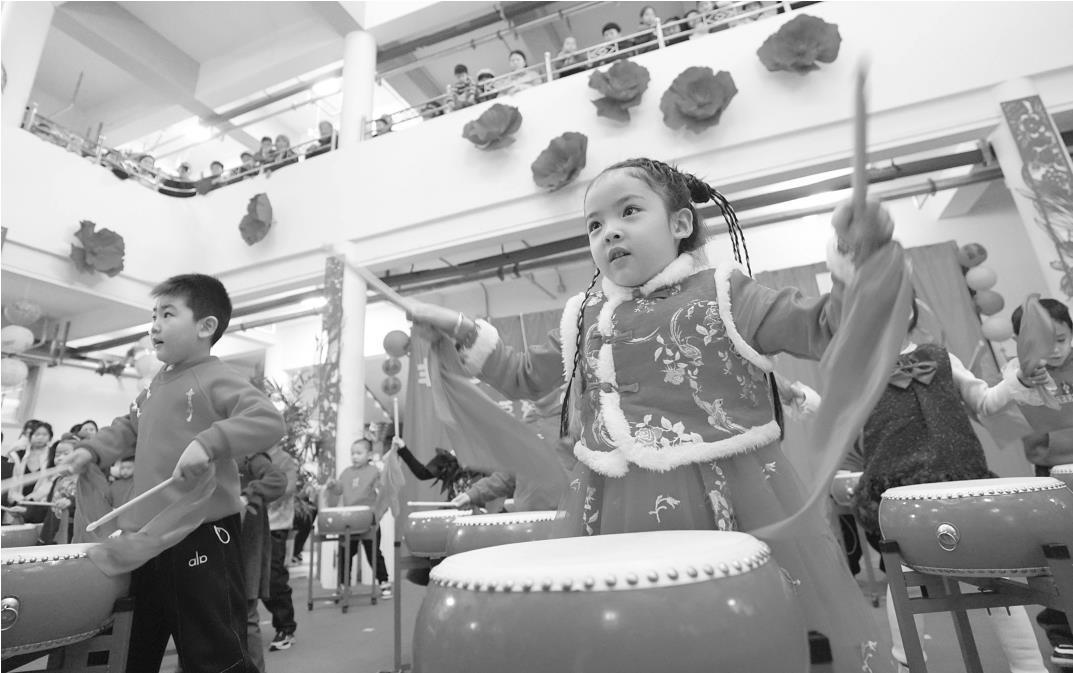
Group 1 - The core event is the "Intangible Cultural Heritage Inheritance, Cute Babies Welcoming the New Year" activity held by the Yinchuan Postal Kindergarten in Ningxia, which features traditional Chinese cultural performances [2] - The event includes performances by inheritors of various intangible cultural heritage projects such as lion dance, paper-cutting, sugar painting, and Sichuan opera face-changing, providing children with a hands-on experience of traditional culture [2] - On December 27, children performed "Drum Dance to Welcome the New Year," showcasing their engagement with the cultural activities [2]
舞狮入全运,一场传统文化的“醒”与“兴”
Ren Min Wang· 2025-11-17 11:09
Core Insights - The debut of lion dance at the National Games signifies a transformation of traditional cultural performances into mainstream sports, showcasing the integration of cultural heritage with modern athleticism [1][2] - The success of lion dance serves as a model for the revival of other traditional cultures, emphasizing the importance of innovation and interaction with the public rather than mere preservation [2] Group 1: Cultural Significance - Lion dance, particularly the Southern lion dance, has a rich history dating back to the Tang Dynasty, evolving through various cultural influences to become a unique performance art [1] - The lion dance has been recognized as a national intangible cultural heritage since 2006, highlighting its importance in Chinese culture [1] Group 2: Modern Integration - The incorporation of lion dance into educational settings, such as physical education and music classes, demonstrates a novel approach to cultural transmission among younger generations [1] - The combination of traditional lion dance with modern media, such as films and entertainment, has attracted a younger audience, revitalizing interest in this cultural practice [1] Group 3: Pathways for Cultural Revival - The lion dance's successful transformation provides valuable insights for the revival of other traditional cultures, advocating for a rejection of static preservation methods [2] - Emphasizing a sustainable ecosystem that includes educational, artistic, and community engagement elements is crucial for the ongoing vitality of traditional cultural practices [2]
全运会丨在大湾区,聆听岭南风韵的三地交响
Xin Hua She· 2025-11-08 07:56
Core Viewpoint - The Greater Bay Area is showcasing its unique cultural and economic integration through various initiatives, emphasizing transportation, ecological connections, technological innovation, and cultural unity, as it prepares for the 15th National Games on November 9 [1]. Group 1: Cultural Heritage and Integration - The Greater Bay Area is characterized by its shared Lingnan cultural roots, with historical architecture and cultural landmarks reflecting its rich heritage [1]. - The area has preserved significant historical sites, such as the ancient buildings and streets in Guangzhou, which highlight its long-standing cultural legacy [4][7]. - The "micro-renovation" approach adopted in places like Yongqingfang has successfully blended historical preservation with modern functionality, enhancing the living environment while maintaining traditional aesthetics [5]. Group 2: Culinary and Artistic Connections - Cantonese cuisine serves as a cultural link among the people of the Greater Bay Area, with its rich flavors and historical significance contributing to cultural exchanges both domestically and internationally [9]. - Traditional performances, such as Cantonese opera and folk dances like Yingge, are vital components of the region's cultural identity, showcasing the area's artistic diversity and heritage [11][13]. Group 3: Educational and Collaborative Initiatives - Higher education institutions in the Greater Bay Area are actively promoting interdisciplinary collaboration, breaking down academic barriers to enhance educational quality and research capabilities [30]. - Cultural exchange initiatives, including joint performances and festivals, are fostering deeper connections among the three regions, enriching the cultural landscape of the Greater Bay Area [25][31]. Group 4: Cultural Infrastructure Development - The Baihetan Greater Bay Area Art Center has emerged as a significant cultural landmark, serving as a hub for artistic expression and cultural exchange since its opening in May 2024 [32]. - The center is rapidly becoming a popular destination, reflecting the vibrant cultural dynamics of the Greater Bay Area and its commitment to promoting local heritage [32].
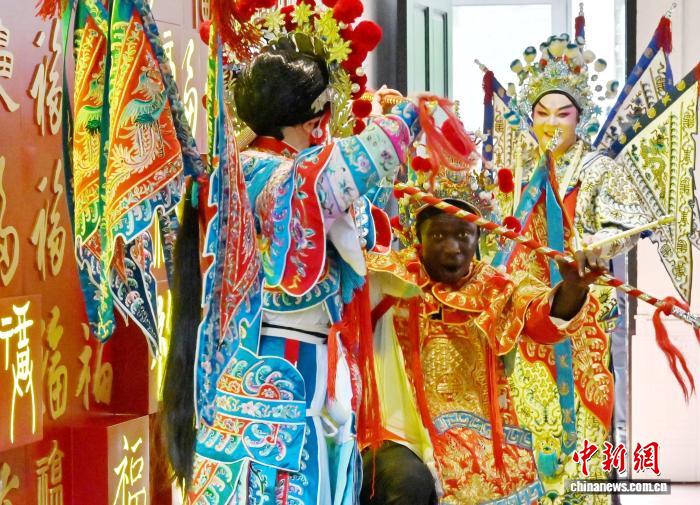
国际网红“无语哥”打卡广州永庆坊 沉浸式体验非遗魅力
Zhong Guo Xin Wen Wang· 2025-09-17 13:37
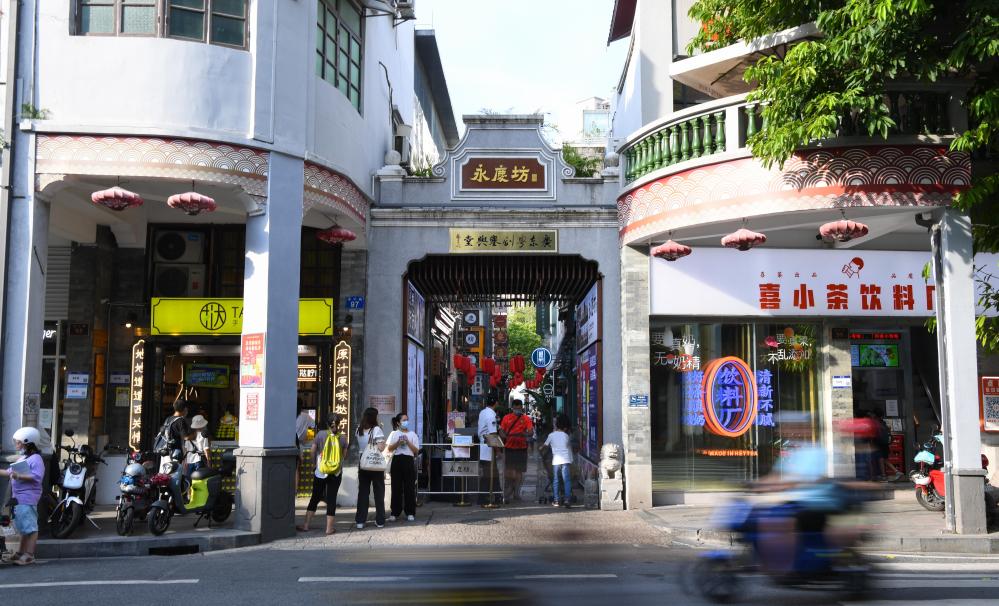
Core Viewpoint - The international influencer "Khaby Lame," known as "无语哥," visited Guangzhou's Yongqingfang to experience traditional Chinese culture, including Wing Chun, Cantonese opera, and lion dance, attracting significant public attention [1][3][4]. Group 1: Cultural Experience - "无语哥" engaged in various cultural activities, such as learning Wing Chun at the Bruce Lee ancestral home and practicing Cantonese opera martial arts [3][4]. - The visit included tasting local delicacies like Cantonese herbal tea and making traditional desserts, showcasing the culinary aspect of Guangzhou's culture [4]. Group 2: Public Engagement - The presence of "无语哥" drew crowds, with many onlookers taking photos and participating in the experience, highlighting the influencer's ability to attract attention and promote cultural tourism [1][4]. - He participated in a lion dance performance, further engaging with local traditions and enhancing the festive atmosphere [5]. Group 3: Background of the Influencer - "无语哥," whose real name is Khaby Lame, gained fame on TikTok for his unique style of "silent humor," amassing over 200 million followers globally [1][4]. - His visit to Guangzhou was described as a remarkable experience, emphasizing the city's rich cultural diversity [4].