硅片搬运设备

Search documents
11月29日到期!美国对华301调查关税豁免评估启动!
Xin Lang Cai Jing· 2025-09-17 13:30
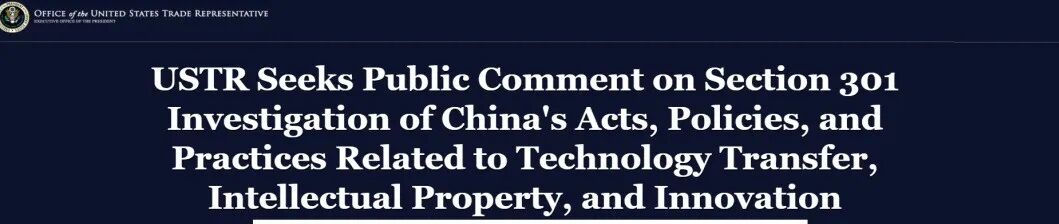
Core Viewpoint - The U.S. Trade Representative (USTR) is seeking public comments on whether to extend tariff exemptions for 178 items, including 14 specific solar manufacturing equipment exemptions, beyond November 29, 2025 [1][2]. Group 1: Exemption Details - The 14 solar-related exemptions are part of the USTR's four-year review of the Section 301 investigation against China, initially set to be effective from January 1, 2024, to May 31, 2025 [2]. - These exemptions include equipment such as silicon growth furnaces, multicrystalline silicon casting furnaces, silicon wafer cutting machines, and diamond wire saws [2]. - The exemptions were previously extended to August 31, 2025, and then further to November 29, 2025, forming a total of 178 exemptions (164 regular exemptions + 14 solar equipment exemptions) [2]. Group 2: Public Comment Process - The public comment period is open from September 16, 2025, to October 16, 2025, where companies and industry associations can submit written opinions [3]. - USTR will evaluate the exemptions based on four core dimensions, including the availability of solar manufacturing equipment from non-Chinese sources and the efforts made by companies to source equipment from the U.S. or third countries [3]. - The evaluation will also consider the potential impact of extending the exemptions on U.S. interests and the broader goal of addressing the issues identified in the Section 301 investigation against China [3]. Group 3: Industry Implications - The extension of the 14 solar manufacturing equipment exemptions is crucial for the U.S. solar industry, as the expiration without extension would impose additional tariffs on imports from China, increasing production costs [4]. - Industry representatives express concerns about the stability and pricing of equipment sourced from non-Chinese regions, indicating that an extension would provide more time to adjust supply chains [4]. - The outcome of the public comment process will serve as an important indicator of the U.S. trade policy direction regarding solar equipment from China, with potential implications for the pace of domestic solar capacity expansion [4].