硝苯地平

Search documents
节日期间降压药可不能“放假”
Xin Lang Cai Jing· 2026-02-10 21:08
Group 1 - The article emphasizes the importance of maintaining stable blood pressure for elderly individuals during the festive season, providing a "Spring Festival Blood Pressure Health Action Checklist" that covers medication, diet, daily routines, and outings [1] Group 2 - It highlights the necessity of regular medication intake, suggesting the use of a "holiday-specific pillbox" to help elderly individuals remember their doses, and advises against doubling doses if missed [2] Group 3 - The dietary recommendations include reducing salt intake by using alternative flavor enhancers and being cautious of "hidden salt" in processed foods [4][5] - It suggests a "red-yellow-green" nutritional balance, encouraging the consumption of dark green vegetables, yellow foods rich in fiber, and lean meats while controlling fat intake [6][7] - The article warns against drinking grapefruit juice while on certain blood pressure medications due to potential adverse effects and recommends alternatives like orange or apple juice [8][9] Group 4 - Recommendations for ensuring quality sleep include going to bed before 10 PM, maintaining a sleep duration of 7-8 hours, and engaging in relaxing activities before sleep [10] - It advises a gradual waking process to prevent orthostatic hypotension, particularly for elderly individuals prone to blood pressure fluctuations in the morning [11]
近期大量上市!这种水果与多种药物“相冲”,医生提醒→
Xin Hua Wang· 2025-10-28 14:58
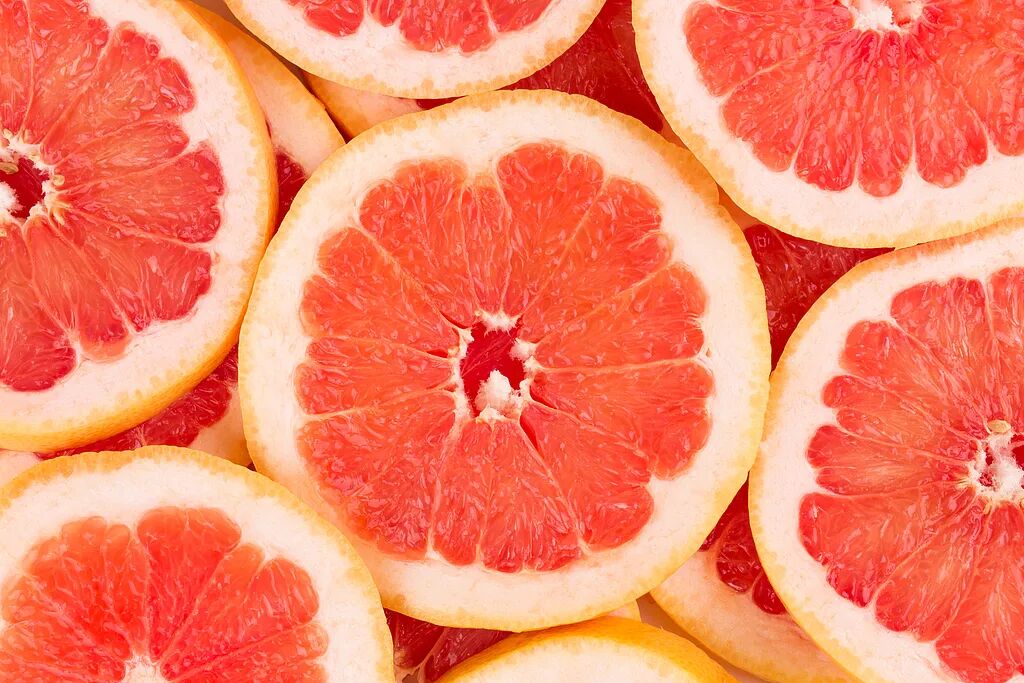
Core Viewpoint - The article emphasizes the health risks associated with consuming grapefruit, particularly in relation to certain medications, highlighting the need for caution when combining grapefruit with specific drugs due to potential adverse effects on drug metabolism [4][3]. Group 1: Health Risks of Grapefruit - Grapefruit, especially varieties like grapefruit juice, contains furanocoumarins that inhibit the CYP3A4 enzyme in the liver, which is crucial for metabolizing many medications [4][6]. - The most significant interactions are noted with grapefruit, rather than other types of pomelo or citrus fruits [4][3]. Group 2: Medications to Avoid with Grapefruit - Certain antihypertensive medications (e.g., nifedipine, felodipine, amlodipine) can lead to dangerously low blood pressure when taken with grapefruit [8]. - Statins (e.g., atorvastatin, simvastatin, lovastatin) may increase the risk of muscle pain and liver damage when combined with grapefruit, necessitating discussions with healthcare providers about safer alternatives [9]. - Some antihistamines (e.g., terfenadine, astemizole) can cause increased drowsiness and heart rhythm issues when taken with grapefruit [10]. - Immunosuppressants (e.g., cyclosporine, tacrolimus) can have dangerously fluctuating concentrations in the body when combined with grapefruit, leading to severe health consequences [11]. - Sedatives and anesthetics (e.g., midazolam, diazepam) may have prolonged effects and increased risks of respiratory depression when taken with grapefruit [12]. Group 3: Practical Advice for Consumers - Consumers should carefully read medication labels for warnings about grapefruit interactions and identify if their medications fall into high-risk categories [13]. - If uncertain about the type of grapefruit or its effects on medications, consulting a healthcare professional is advised [13]. - Safer fruit alternatives, such as oranges, tangerines, and apples, are recommended for those on high-risk medications [13].