氨氯地平

Search documents
深度|316种国家集采药品接续采购开标,覆盖26个治疗领域
Di Yi Cai Jing· 2026-02-13 08:55
Core Viewpoint - The recent round of national drug procurement has resulted in 4,163 products from 1,020 companies being shortlisted, covering 316 commonly used drugs across 26 therapeutic areas, with only 21 original drugs winning bids, representing less than 10% of the total [1][2]. Group 1: Procurement Details - The procurement aims to reduce drug prices and patient burdens while reallocating saved healthcare funds to innovative drugs that provide significant clinical value [2]. - The procurement process was led by the medical insurance bureaus of Jiangsu, Henan, and Guangdong provinces, with a high selection rate of 93% among participating companies [2]. - The results of this procurement are expected to be implemented by the end of March 2026, with a procurement cycle lasting until the end of 2028 [2]. Group 2: Original Drug Participation - The original drugs selected include various formulations such as Fosinopril and Acarbose, with companies like Bristol-Myers Squibb and Sanofi involved [3]. - Several original drugs that had previously won bids in earlier rounds, such as Gefitinib and Clopidogrel, did not participate in this round, allowing generic competitors to dominate [4][3]. - The absence of original drugs in the procurement reflects a trend where original drugs face significant competition from generics post-patent expiration, leading to a decline in sales and profits [6]. Group 3: Market Dynamics - The "patent cliff" phenomenon has led to original drugs experiencing substantial sales and profit declines once their patents expire, which was previously mitigated by high prices and market share [6]. - Some original drug companies have reduced or dissolved their sales teams for products affected by procurement policies, yet many still find market opportunities outside public hospital settings [7]. - Cross-national pharmaceutical companies are increasingly focusing on innovative drug development while divesting mature product lines to local firms [8][9]. Group 4: Future Outlook - The Chinese government is implementing policies to support the development of innovative drugs, which is expected to expand the overall pharmaceutical market [10].



316种国家集采药品接续采购开标,原研药中标的比例不到一成
Di Yi Cai Jing· 2026-02-12 22:50
Core Viewpoint - The recent round of national drug procurement has resulted in 4,163 products from 1,020 companies being shortlisted, covering 316 commonly used drugs across 26 therapeutic areas, with only 21 original drugs selected, representing less than 10% of the total [1][2]. Group 1: Procurement Details - The procurement aims to reduce drug prices and patient burdens while reallocating saved healthcare funds to innovative drugs [2]. - The procurement process involved 51,000 medical institutions, with a high selection rate of 93% and an average of 14 companies selected per product [2][3]. - The results of this procurement are expected to be implemented by the end of March 2026, with a procurement cycle lasting until the end of 2028 [2]. Group 2: Original Drug Participation - The selected original drugs include various formulations from companies like Bristol-Myers Squibb, Sanofi, and Bayer, with some previously shortlisted in earlier rounds [3]. - Notable original drugs that did not participate in this round include AstraZeneca's gefitinib and Sanofi's clopidogrel, which had previously been selected [4][3]. Group 3: Market Dynamics - The phenomenon known as "patent cliff" has led to significant declines in sales and profits for original drugs post-patent expiration, making it challenging for them to maintain market share without substantial price reductions [6]. - Some original drug companies have reduced or dissolved their sales teams for products affected by procurement policies, yet many still find market opportunities outside public hospital procurement [7]. - Cross-national pharmaceutical companies are increasingly focusing on innovative drug development while divesting mature product lines to local firms [8][9].


316种国家集采药品接续采购开标,原研药中标的比例不到一成
第一财经· 2026-02-12 14:56
Core Viewpoint - The recent round of national drug procurement in China has resulted in 1,020 companies winning bids for 4,163 products, covering 316 commonly used drugs across 26 therapeutic areas, with original research drugs making up less than 10% of the selected products [3][5]. Group 1: Procurement Results - The procurement process involved a high participation rate, with a selection rate of 93% and an average of 14 companies winning bids for each product [5]. - The selected original research drugs include various formulations such as oral and injectable forms, with notable companies like Merck, Sanofi, and Bayer involved [6]. - Some original research drugs that previously won bids in earlier rounds did not secure selection in this round, indicating a shift in market dynamics [6][7]. Group 2: Market Dynamics - The introduction of national drug procurement has led to significant price reductions for original research drugs, which now face competition from generics, resulting in a phenomenon known as the "patent cliff" [9]. - Despite the challenges, many original research drugs maintain a presence in the market, particularly in outpatient settings, leveraging brand strength [10]. - Some multinational pharmaceutical companies are divesting mature product lines to focus on innovative drug development, reflecting a strategic shift in response to the evolving market landscape [11][12].
深度|316种国家集采药品接续采购开标,原研药中标的比例不到一成
Di Yi Cai Jing· 2026-02-12 13:49
Core Viewpoint - The recent round of national drug procurement has resulted in 4,163 products from 1,020 companies being shortlisted, with only 21 original drugs selected, indicating a significant shift in the pharmaceutical market dynamics in China [1][2]. Group 1: Drug Procurement Overview - The new round of procurement involves 316 commonly used drugs across 26 therapeutic areas, including anti-infection, anti-tumor, and cardiovascular treatments [1]. - The procurement process has a high selection rate of 93%, with an average of 14 companies winning bids for each product [2]. - The results of this procurement are expected to be implemented by the end of March 2026, with a procurement cycle lasting until the end of 2028 [2]. Group 2: Impact on Original Drugs - Original drugs are facing challenges in maintaining high profits and market share post-patent expiration due to increased competition from generic drugs [6]. - Some original drugs, despite not being selected in the procurement, continue to find market opportunities outside public hospitals due to their brand strength [1][7]. - The absence of original drugs in the procurement does not equate to their market exit; they may still be prescribed in specific hospital settings [7]. Group 3: Market Dynamics and Strategies - The phenomenon known as "patent cliff" is causing significant declines in sales and profits for original drugs once their patents expire [6]. - Many original drug companies are reducing or dissolving their sales teams for products affected by the procurement policies [7]. - Some multinational pharmaceutical companies are divesting mature product lines to focus on innovative drug development and market entry [8][9][10].
节日期间降压药可不能“放假”
Xin Lang Cai Jing· 2026-02-10 21:08
Group 1 - The article emphasizes the importance of maintaining stable blood pressure for elderly individuals during the festive season, providing a "Spring Festival Blood Pressure Health Action Checklist" that covers medication, diet, daily routines, and outings [1] Group 2 - It highlights the necessity of regular medication intake, suggesting the use of a "holiday-specific pillbox" to help elderly individuals remember their doses, and advises against doubling doses if missed [2] Group 3 - The dietary recommendations include reducing salt intake by using alternative flavor enhancers and being cautious of "hidden salt" in processed foods [4][5] - It suggests a "red-yellow-green" nutritional balance, encouraging the consumption of dark green vegetables, yellow foods rich in fiber, and lean meats while controlling fat intake [6][7] - The article warns against drinking grapefruit juice while on certain blood pressure medications due to potential adverse effects and recommends alternatives like orange or apple juice [8][9] Group 4 - Recommendations for ensuring quality sleep include going to bed before 10 PM, maintaining a sleep duration of 7-8 hours, and engaging in relaxing activities before sleep [10] - It advises a gradual waking process to prevent orthostatic hypotension, particularly for elderly individuals prone to blood pressure fluctuations in the morning [11]
近期大量上市!这种水果与多种药物“相冲”,医生提醒→
Xin Hua Wang· 2025-10-28 14:58
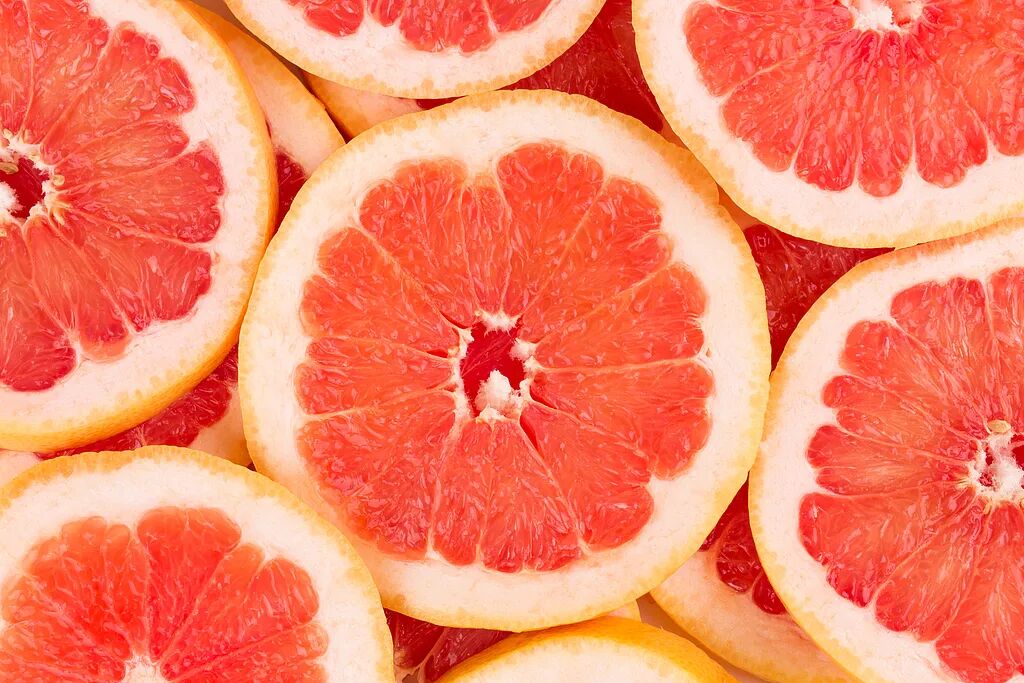
Core Viewpoint - The article emphasizes the health risks associated with consuming grapefruit, particularly in relation to certain medications, highlighting the need for caution when combining grapefruit with specific drugs due to potential adverse effects on drug metabolism [4][3]. Group 1: Health Risks of Grapefruit - Grapefruit, especially varieties like grapefruit juice, contains furanocoumarins that inhibit the CYP3A4 enzyme in the liver, which is crucial for metabolizing many medications [4][6]. - The most significant interactions are noted with grapefruit, rather than other types of pomelo or citrus fruits [4][3]. Group 2: Medications to Avoid with Grapefruit - Certain antihypertensive medications (e.g., nifedipine, felodipine, amlodipine) can lead to dangerously low blood pressure when taken with grapefruit [8]. - Statins (e.g., atorvastatin, simvastatin, lovastatin) may increase the risk of muscle pain and liver damage when combined with grapefruit, necessitating discussions with healthcare providers about safer alternatives [9]. - Some antihistamines (e.g., terfenadine, astemizole) can cause increased drowsiness and heart rhythm issues when taken with grapefruit [10]. - Immunosuppressants (e.g., cyclosporine, tacrolimus) can have dangerously fluctuating concentrations in the body when combined with grapefruit, leading to severe health consequences [11]. - Sedatives and anesthetics (e.g., midazolam, diazepam) may have prolonged effects and increased risks of respiratory depression when taken with grapefruit [12]. Group 3: Practical Advice for Consumers - Consumers should carefully read medication labels for warnings about grapefruit interactions and identify if their medications fall into high-risk categories [13]. - If uncertain about the type of grapefruit or its effects on medications, consulting a healthcare professional is advised [13]. - Safer fruit alternatives, such as oranges, tangerines, and apples, are recommended for those on high-risk medications [13].
第十一批国采展望与现行药品政策梳理
2025-06-11 15:49
Summary of Conference Call Notes Industry Overview - The conference call discusses the upcoming **11th National Drug Centralized Procurement (国采)**, expected to start in **July or August 2025**. The 10th round had extreme results due to a long time span and rule adjustments, leading to potential product registration backlog issues in the 11th round, with intensified competition and possible rule changes to avoid excessive low pricing [1][4][2]. Key Points and Arguments - **11th Batch Procurement Timing**: The 11th batch is likely to be delayed until the second half of the year due to the need for medical institutions to prepare reporting volumes, with only one round expected this year [2]. - **Biological Drug Procurement**: The biological drug procurement led by Anhui is set for execution by the end of **2025**, based on insulin procurement rules, focusing on moderate price reductions and a larger number of selected products [1][5][6]. - **Quality Control Measures**: The National Medical Products Administration (药监局) is responsible for quality control of selected products, while the National Healthcare Security Administration (医保局) has introduced new rules requiring companies to have market volume before gaining market share, ensuring fair competition [7][3]. - **Impact of New Rules on Original Drug Companies**: The new procurement rules favor original drug companies by allowing them to retain some market share even if not selected, and providing hospitals with more autonomy in choosing products [12][3]. - **Price Discrimination Issues**: The centralized procurement has provided a price benchmark, but there have been instances of price discrimination across provinces, leading to a downward spiral in drug prices and potential shortages [18][19]. - **Market Dynamics for Generic Drugs**: The procurement process has increased the penetration of competitive products in grassroots hospitals, while high-priced drugs have significant market expansion potential [11][21]. Additional Important Content - **Alliance Procurement Framework**: The shift to an alliance procurement framework has led to varied approaches among provinces, with some like Hebei being aggressive in pricing, while others like Guangdong and Xinjiang adopt a more balanced approach [8][9]. - **Future Alliance Plans**: Major alliances for procurement include those led by Sichuan, Xinjiang, Guangdong, and Tianjin, with Shanghai and Jiangsu considering joining new projects [9]. - **Impact on Marketing Strategies**: Original drug companies are adjusting their marketing strategies, increasing collaboration with e-commerce channels to enhance drug accessibility and sales [22][24]. - **Medicare Payment Standards**: The establishment of Medicare payment standards is expected to significantly impact drug prices and market dynamics, potentially leading to a unified pricing structure across different regions [13][20]. - **Challenges for Innovative Drugs**: The procurement policies may limit the development of innovative drugs due to low pricing, which could discourage research and development efforts in the pharmaceutical industry [25][26]. This summary encapsulates the critical insights and implications from the conference call regarding the upcoming drug procurement policies and their potential impact on the pharmaceutical industry.
多达一的“传奇”:从全球首创到本土绽放的“一粒双控”标杆
Jiang Nan Shi Bao· 2025-05-19 06:35
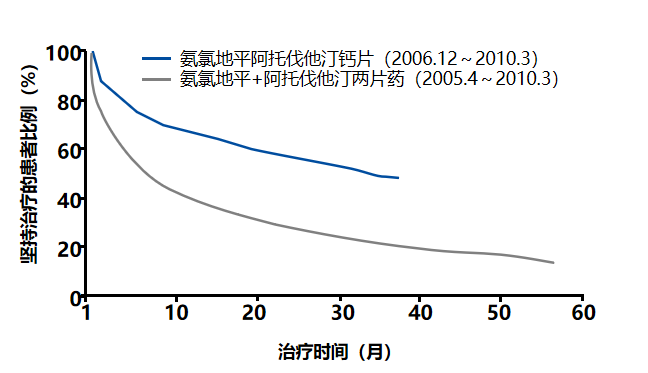
Group 1 - The article highlights the global concern over hypertension, with approximately 1.3 billion people affected, and emphasizes the severe challenge in China where only 16% of the 250 million hypertensive patients achieve treatment targets [1] - The combination of hypertension and dyslipidemia significantly increases the risk of cardiovascular diseases, making effective management of both conditions a key focus in the industry [1] - The introduction of a compound drug named "Duodayi" represents a new paradigm in the combined treatment of hypertension and dyslipidemia, addressing the shortcomings of previous treatment methods [1][3] Group 2 - The compound formulation combines amlodipine and atorvastatin, which are well-known and widely used medications for hypertension and dyslipidemia, respectively [2] - Pfizer's early patent application for the combination in 1998 laid the groundwork for the development of the world's first dual-action compound drug, which received FDA approval in 2004 and has since been recognized globally [2][6] - The drug "Caduet" (Duodayi) has been approved in over 70 countries and has become a significant player in the cardiovascular medication market [2][6] Group 3 - The single-tablet formulation improves patient adherence to treatment, with a reported 26% increase in the proportion of patients maintaining treatment over 12 months compared to taking two separate medications [4] - The dual-action drug has shown a significant improvement in achieving both blood pressure and lipid level targets compared to single medications or free combinations [6] Group 4 - In July 2021, Haizheng Pharmaceutical began local production of Duodayi, maintaining original drug quality while reducing adverse reactions and treatment costs by 25% compared to single medications [7] - The drug is available in multiple dosages, allowing for tailored treatment plans based on individual patient needs, enhancing treatment efficiency [7] Group 5 - Haizheng Pharmaceutical emphasizes quality control and has implemented a comprehensive management system to ensure high standards in production, achieving FDA certification [8] - The company has adopted a digital transformation strategy, integrating modern information technology with advanced manufacturing processes to enhance the entire lifecycle of drug production [8][9] Group 6 - Duodayi is positioned as a solution for chronic disease management, simplifying medication regimens for patients and showcasing the potential of local pharmaceutical innovation [9] - The success of Duodayi reflects the growth and evolution of the Chinese pharmaceutical industry, demonstrating that local production can match or exceed the quality of original formulations [9]