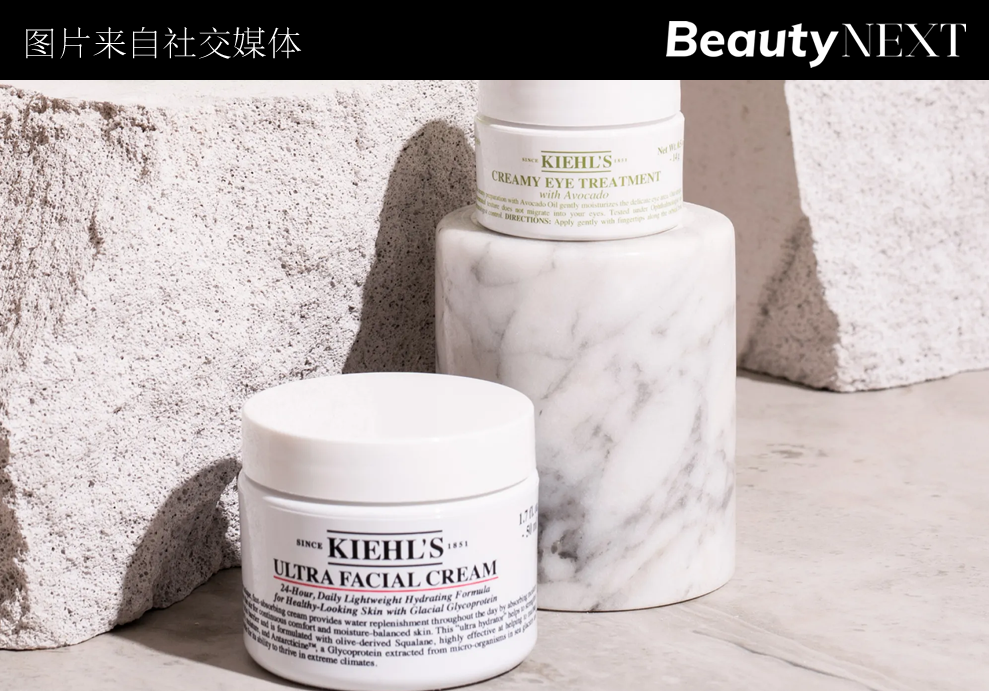
科颜氏

Search documents
美妆巨头的“加减法”
Xin Lang Cai Jing· 2025-12-05 05:29
Core Insights - The global beauty industry is transitioning from a "big and comprehensive" era characterized by aggressive acquisitions to a "precise and focused" era that emphasizes core competencies and deepens competitive advantages [1][2] Group 1: Industry Trends - Major beauty companies are increasingly engaging in "subtraction" by divesting brands that do not fit their core strategies or have underperformed, such as Estée Lauder's evaluation of selling Dr.Jart+ and Unilever's sale of Kate Somerville [6][7] - The traditional growth model of rapid acquisitions and global expansion is becoming ineffective as companies face challenges in adapting regional brands to a global framework, leading to a focus on divesting non-core and high-risk businesses [10][13] Group 2: Strategic Shifts - Companies are now prioritizing depth over breadth, moving from a focus on scale to optimizing their structural capabilities in response to changing market dynamics [13][16] - The rise of online channels and the diversification of aesthetic standards have made the previous models of global brand replication less viable, prompting companies to rethink their strategies [16][17] Group 3: Future Opportunities - Beauty giants are investing in high-barrier sectors such as high-efficacy skincare and medical aesthetics, as seen with L'Oréal's acquisition of Medik8, to align with consumer demand for scientifically-backed products [17][20] - The luxury beauty segment is becoming a competitive battleground, with significant acquisitions like Kering's sale of its beauty business to L'Oréal, indicating a shift towards integrating luxury with beauty [20][23] Group 4: New Growth Models - Companies are focusing on building capabilities rather than merely acquiring brands, emphasizing the importance of adaptable and innovative operational models that can thrive in diverse markets [26][27] - The emphasis is on creating a portfolio of capabilities that can operate across cultures and categories, rather than relying solely on a single successful product [26][27] Group 5: Implications for Chinese Brands - The experiences of global giants provide a framework for Chinese brands to develop localized strategies that resonate with diverse cultural markets, moving away from a one-size-fits-all approach [28][31] - Chinese brands are encouraged to establish a clear brand core, develop cultural translation capabilities, and create agile supply chains to effectively compete in the global market [31][34][37]


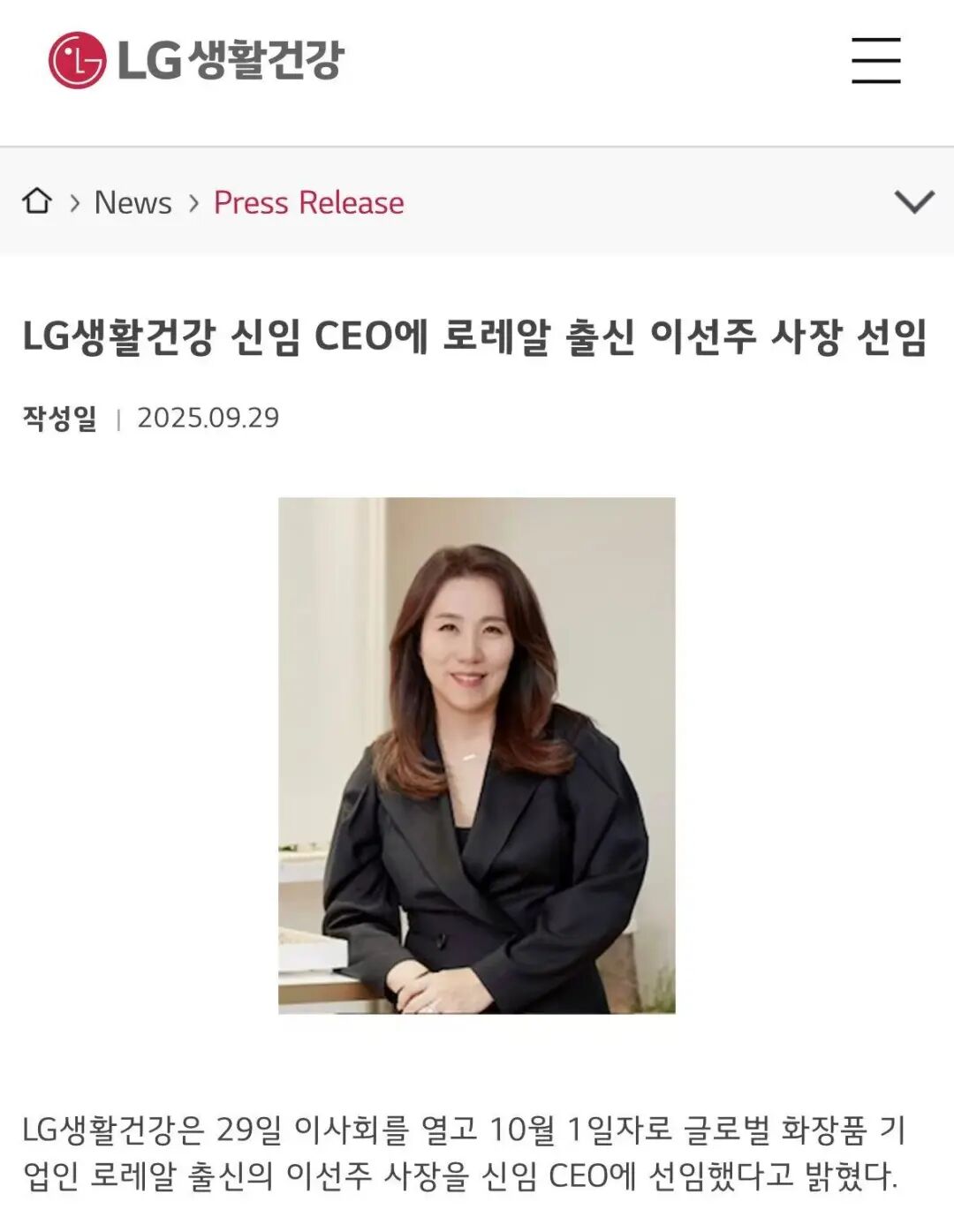
前欧莱雅总裁转投老对手
3 6 Ke· 2025-09-29 23:16
Core Insights - The beauty industry is undergoing significant personnel changes, with executives from L'Oréal being highly sought after by various companies [1] - LG Household & Health Care appointed Lee Sun-joo, former president of L'Oréal Korea, as its new CEO effective October 1 [1][4] - Lee Sun-joo is recognized for her diverse brand marketing and business experience, which LG believes will help elevate its beauty and health sectors [4] Company Background - Lee Sun-joo has nearly 20 years of experience in the beauty industry, having started her career at L'Oréal in 2002 [8] - She held various significant positions at L'Oréal, including managing the Kiehl's brand, which became the second-largest luxury brand for L'Oréal during her tenure [7][8] - Prior to joining LG, she also served in leadership roles at L&P and Unilever, enhancing her credentials in the beauty sector [8] Current Challenges - LG Household & Health Care is facing severe challenges, with its latest financial report indicating a 47.4% drop in operating profit, nearly halving [10][14] - The beauty and cosmetics division has seen an 11.5% revenue decline and a staggering 70% drop in operating profit [10][14] - In contrast, competitors like Amorepacific have reported significant profit increases, highlighting LG's struggles in the market [10][12] Market Performance - LG's revenue in South Korea fell by 8.5% in the first half of 2025, and it was the only major Korean beauty company to experience a decline in the Chinese market, down 6% [10][12] - In North America, LG's performance was also underwhelming compared to competitors, with only a 4.8% growth, while others like APR saw a 236.3% increase [12][14] - The appointment of Lee Sun-joo is seen as a strategic move to address these challenges and revitalize the company's performance [14]