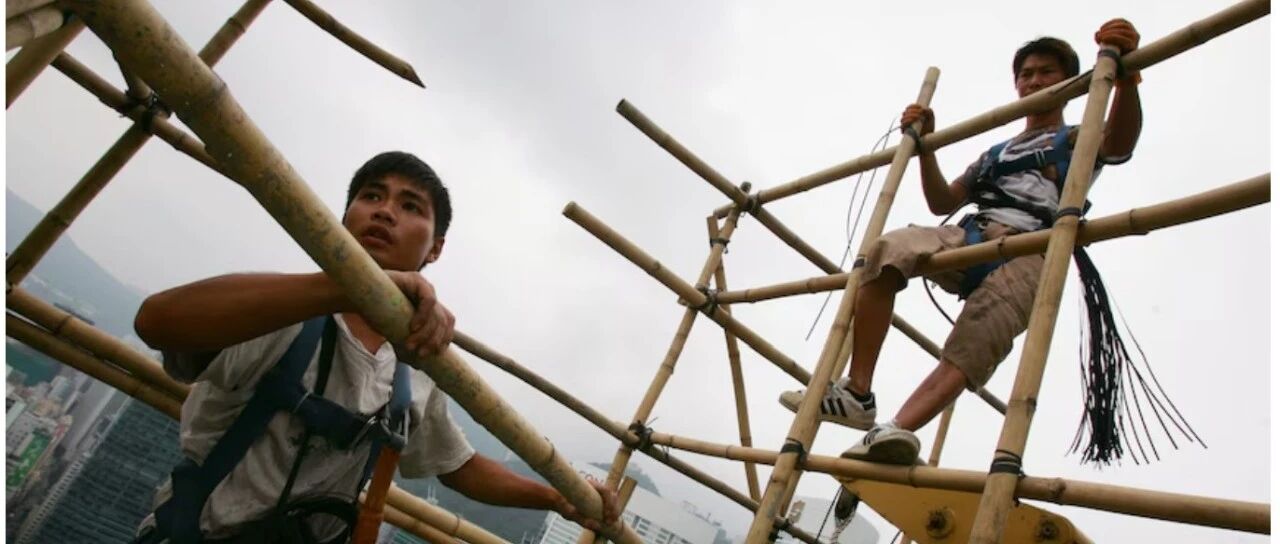
竹棚

Search documents
对话竹棚业香港联会理事:业界对推广金属棚架持开放态度
Nan Fang Du Shi Bao· 2025-12-02 12:43
Group 1 - The Hong Kong government is considering replacing bamboo scaffolding with metal scaffolding in construction projects, following a recent fire incident that raised safety concerns [1][2] - The bamboo scaffolding industry is open to the transition but acknowledges that metal scaffolding may not completely replace bamboo due to space and weight constraints in densely populated areas [1][3] - Currently, bamboo scaffolding holds approximately 90% of the market share in the industry, despite the higher number of registered metal scaffolding workers [3] Group 2 - The construction industry in Hong Kong operates under a subcontracting system, which limits the bargaining power of scaffolding contractors [2] - The transition to metal scaffolding may incur significant costs, and some bamboo scaffolding businesses may struggle to afford this change [3] - There is a need for cultural change in the industry to improve safety standards and reduce accidents, beyond just material changes [3]
香港大火之下,风暴眼中的竹棚工
Xin Jing Bao· 2025-12-01 00:03
Core Viewpoint - The recent fire incident at Hong Kong's Ma On Shan estate has reignited the debate over the safety of bamboo scaffolding, a traditional construction method in the region, highlighting the need for improved safety standards and potential shifts towards metal scaffolding [1][2][9]. Industry Overview - Bamboo scaffolding has been a longstanding practice in Hong Kong, valued for its low cost and flexibility, especially in narrow urban spaces. It is recognized as an intangible cultural heritage [2][12]. - As of June 2025, there were 2,534 registered bamboo scaffolders compared to 7,830 metal scaffolders, indicating a significant reliance on bamboo scaffolding in the industry [6]. Safety Concerns - The fire at Ma On Shan estate resulted in 146 fatalities and highlighted the rapid spread of flames due to the combustible nature of bamboo scaffolding and the materials used in construction, such as non-compliant protective nets [9][10][13]. - Experts have pointed out that the protective nets used in the construction did not meet fire safety standards, contributing to the fire's intensity and spread [10][11]. Regulatory Response - Following the incident, the Hong Kong government announced plans to review fire safety standards for construction sites and promote the use of metal scaffolding as a safer alternative [22]. - The government has committed to providing retraining and transition support for workers currently employed in bamboo scaffolding [22]. Economic Impact - The bamboo scaffolding industry faces challenges as younger workers are less inclined to enter the field, leading to an aging workforce. Many workers express concerns about their future job security amid potential policy changes [20][22]. - The cost of bamboo scaffolding is approximately HKD 300 per square meter, while metal scaffolding costs around HKD 600 per square meter, making bamboo scaffolding a more economically viable option for many small contractors [18]. Cultural Significance - Bamboo scaffolding is not only a construction method but also a cultural practice that supports the livelihoods of many workers in Hong Kong. The potential shift to metal scaffolding raises concerns about the preservation of this traditional craft [2][19].

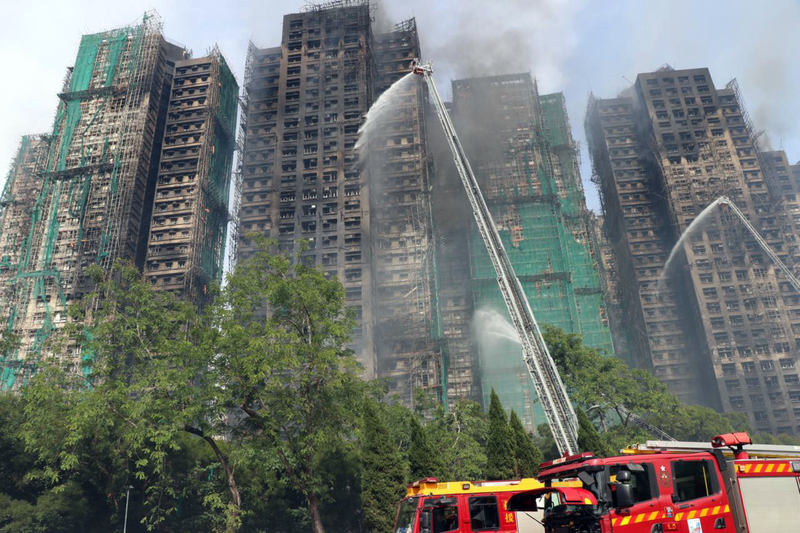
竹子到底是否易燃?是否造成火灾的主要原因?
首席商业评论· 2025-11-27 13:24
Core Viewpoint - The article discusses the recent fire incident in Hong Kong, analyzing the role of bamboo scaffolding and the construction practices involved, emphasizing that while bamboo scaffolding contributes to fire risks, it is not the sole factor in the incident [1][3]. Group 1: Bamboo Scaffolding and Fire Risks - Bamboo is a combustible material, with its flammability depending on moisture content; fresh bamboo burns slowly, while dry bamboo poses a higher risk [1]. - Bamboo scaffolding can facilitate rapid fire spread due to ventilation and continuity, but it is often treated with fire retardants, which may not be the root cause of fire incidents [2][3]. - The combination of bamboo scaffolding and flammable materials, such as non-fire-retardant netting, significantly accelerates fire spread [3]. Group 2: Construction Practices and Regulations - The bamboo scaffolding industry in Hong Kong is managed by skilled workers known as "bamboo scaffolding masters," with approximately 2,500 registered practitioners [4]. - The Hong Kong government has mandated that 50% of new public works contracts must utilize metal scaffolding, although some workers argue that this change alone will not prevent accidents [7]. - Compliance with fire safety standards for materials used in scaffolding is crucial; any lapses in these regulations can lead to accidents [8][9]. Group 3: Investigation and Accountability - Investigations are focusing on whether cost-cutting measures led to the use of non-fire-retardant materials and if there were regulatory oversights in subcontracting practices [11]. - The Hong Kong police have arrested several individuals connected to the contracting company, indicating a serious inquiry into safety compliance [11]. - The article highlights that the presence of the bamboo scaffolding union is rooted in historical and economic factors, suggesting that a complete ban on bamboo scaffolding is unlikely in the short term [11].