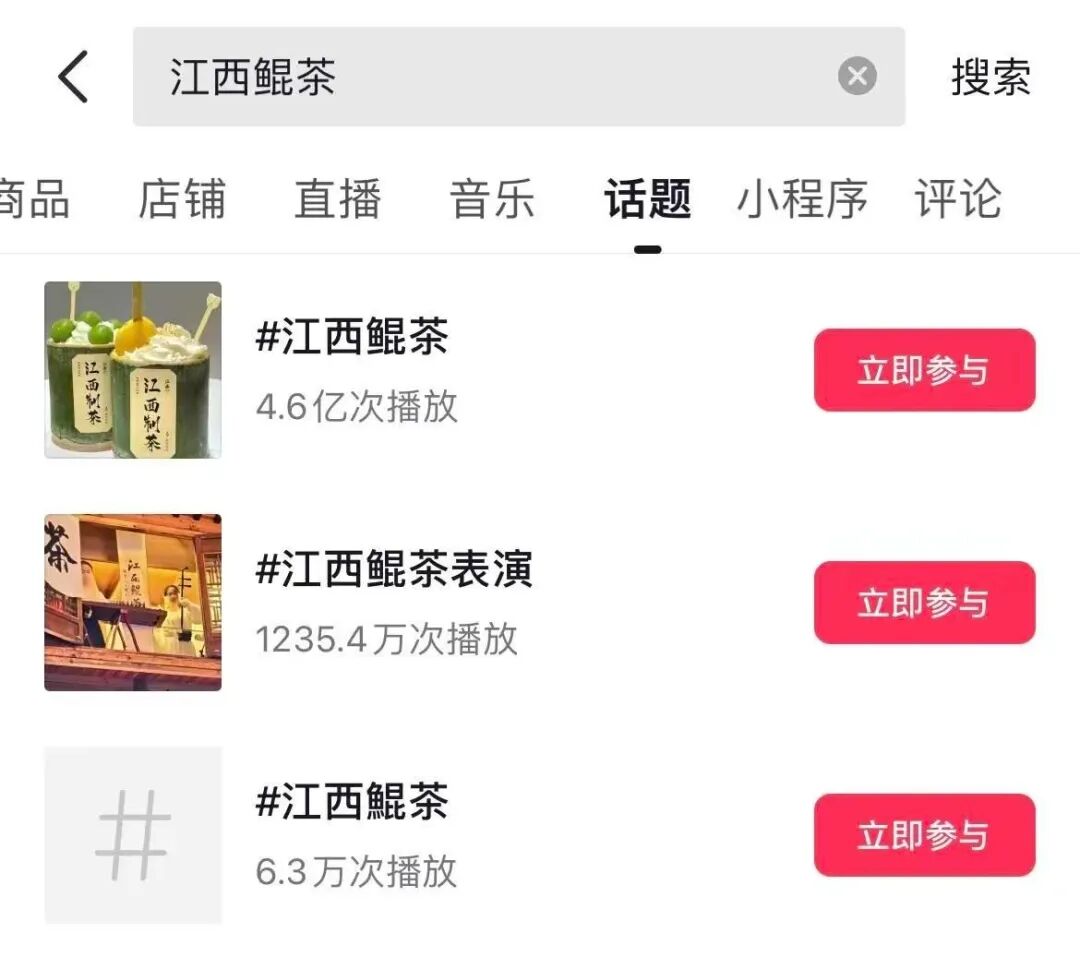
竹筒奶茶

Search documents
霸王茶姬、喜茶都在跟,年轻人正捧红一批“地域文旅奶茶”
3 6 Ke· 2025-11-24 03:49
Core Insights - A new wave of tea shops focusing on "regional + cultural tourism" has emerged, gaining popularity among young consumers who view these experiences as essential during their travels [2][10][19] Group 1: Market Trends - Traditional tea shops are struggling with price wars, while those emphasizing regional and cultural tourism are experiencing rapid growth and national expansion [2][6] - For instance, Jiangxi Kuncha has achieved monthly revenues exceeding 1 million yuan at its Wan Shou Gong store, with a total of 20 locations across various cities [4][6] - Similarly, Xuzhou's Yunlong Tea has opened 8 stores, consistently ranking in the top three on local review platforms [4][6] Group 2: Consumer Engagement - The popularity of these tea shops is driven by their ability to create immersive cultural experiences, which resonate well with consumers [10][11] - For example, Kuncha's stores feature traditional decor that reflects local culture, enhancing the overall customer experience [11][12] - The integration of local ingredients into product offerings, such as Kuncha's "瓦罐系列" and Yunlong Tea's "徐州汉茶" series, further strengthens the connection to regional identity [13][14] Group 3: Marketing Strategies - Many tea brands are leveraging collaborations with cultural tourism IPs to enhance their market presence, such as Yi He Tang's partnership with Handan's cultural tourism [14][19] - The trend of co-branding is evident, with brands like Bawang Chaji embedding their products within cultural sites, thus creating a unique selling proposition [14][19] - Social media engagement is significant, with over 50 million posts related to "regional + cultural tourism" tea shops, indicating strong consumer interest [9][10] Group 4: Challenges and Competition - The rapid rise of these tea shops has led to a wave of imitation, resulting in a homogenization of offerings and decor styles across the market [15][18] - The challenge of maintaining unique brand identities is critical, as many shops struggle to differentiate themselves beyond surface-level cultural elements [15][18] - Experts suggest that true differentiation requires a deeper integration of local cultural elements into both product and store design [15][19]