瓦罐浮梁雪山奶茶

Search documents
霸王茶姬、喜茶都在跟,年轻人正捧红一批“地域文旅奶茶”
3 6 Ke· 2025-11-24 03:49
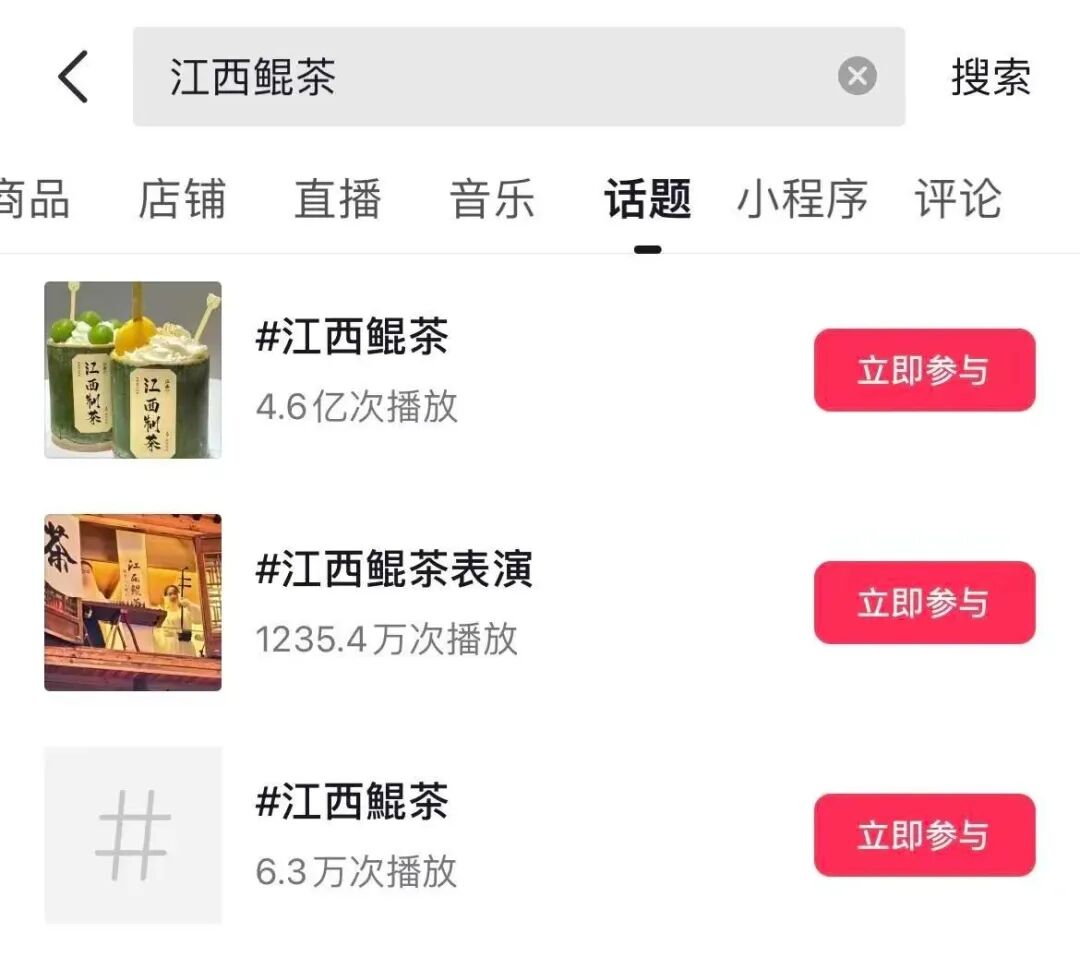
Core Insights - A new wave of tea shops focusing on "regional + cultural tourism" has emerged, gaining popularity among young consumers who view these experiences as essential during their travels [2][10][19] Group 1: Market Trends - Traditional tea shops are struggling with price wars, while those emphasizing regional and cultural tourism are experiencing rapid growth and national expansion [2][6] - For instance, Jiangxi Kuncha has achieved monthly revenues exceeding 1 million yuan at its Wan Shou Gong store, with a total of 20 locations across various cities [4][6] - Similarly, Xuzhou's Yunlong Tea has opened 8 stores, consistently ranking in the top three on local review platforms [4][6] Group 2: Consumer Engagement - The popularity of these tea shops is driven by their ability to create immersive cultural experiences, which resonate well with consumers [10][11] - For example, Kuncha's stores feature traditional decor that reflects local culture, enhancing the overall customer experience [11][12] - The integration of local ingredients into product offerings, such as Kuncha's "瓦罐系列" and Yunlong Tea's "徐州汉茶" series, further strengthens the connection to regional identity [13][14] Group 3: Marketing Strategies - Many tea brands are leveraging collaborations with cultural tourism IPs to enhance their market presence, such as Yi He Tang's partnership with Handan's cultural tourism [14][19] - The trend of co-branding is evident, with brands like Bawang Chaji embedding their products within cultural sites, thus creating a unique selling proposition [14][19] - Social media engagement is significant, with over 50 million posts related to "regional + cultural tourism" tea shops, indicating strong consumer interest [9][10] Group 4: Challenges and Competition - The rapid rise of these tea shops has led to a wave of imitation, resulting in a homogenization of offerings and decor styles across the market [15][18] - The challenge of maintaining unique brand identities is critical, as many shops struggle to differentiate themselves beyond surface-level cultural elements [15][18] - Experts suggest that true differentiation requires a deeper integration of local cultural elements into both product and store design [15][19]

年轻人正捧红一批“地域文旅奶茶”
Xin Lang Cai Jing· 2025-11-24 03:36
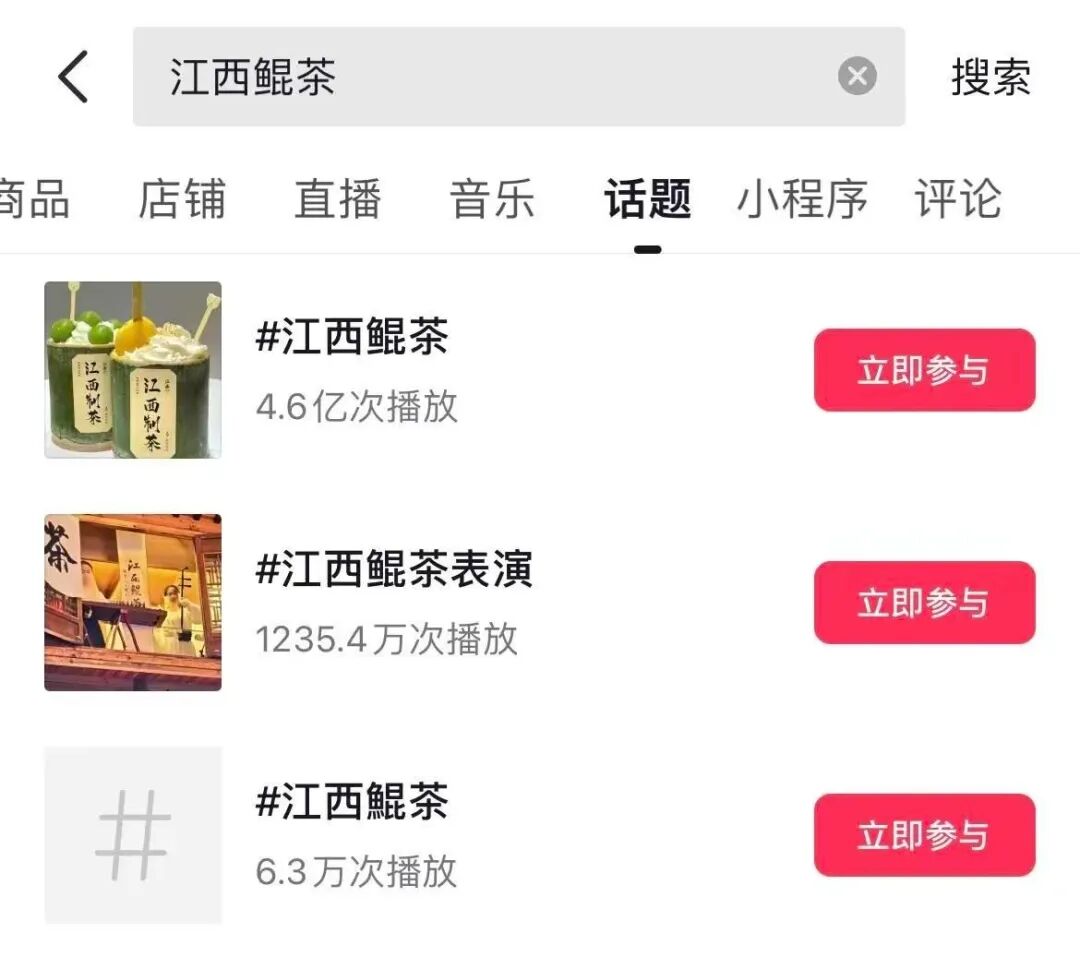
Core Insights - A new wave of tea shops focusing on "regional + cultural tourism" characteristics is gaining popularity, successfully expanding nationwide while traditional tea shops struggle with price wars [2][6][14] Group 1: Market Trends - The rise of tea shops like Jiangxi Kunchá and Yunglong Tea in Xuzhou showcases the success of integrating local culture and tourism into their branding, leading to significant social media engagement and sales [2][4][6] - Jiangxi Kunchá's Wan Shou Gong store reportedly achieves monthly revenues exceeding 1 million yuan, with a total of 20 locations established in various cities [4][6] - Yunglong Tea has opened 8 stores in Xuzhou, consistently ranking in the top three on local review platforms, indicating strong consumer demand [4][6] Group 2: Consumer Engagement - The popularity of these tea shops is driven by their ability to create immersive cultural experiences, appealing to young consumers who prioritize unique photo opportunities during their travels [2][6][11] - Social media platforms like Xiaohongshu and Douyin have seen significant discussions and views related to these tea brands, with Jiangxi Kunchá generating over 23,000 discussions and 460 million views on Douyin [2][4] Group 3: Product Innovation - Many of these tea shops incorporate local ingredients into their products, enhancing their connection to regional culture, such as Yunglong Tea's focus on Han culture and Jiangxi Kunchá's "Wagon Series" [12][13] - The use of local ingredients has been scaled, with brands like Quchashan utilizing nearly 1,000 tons of local materials in their products, showcasing a commitment to regional authenticity [12][13] Group 4: Competitive Landscape - The success of "regional + cultural tourism" tea shops has led to a surge in imitation stores, which often lack unique cultural elements and may face challenges in differentiation [14][17] - The industry is experiencing a trend of product and marketing homogenization, with many brands replicating popular items without innovation, leading to decreased consumer interest [17][18] Group 5: Strategic Collaborations - Collaborations with cultural tourism entities are becoming a strategy for brands to enhance their market presence, as seen with Yihe Tang's partnership with Handan tourism to create themed products [13][18] - Successful collaborations focus on deep cultural integration rather than superficial branding, as demonstrated by Bawang Chaji's engagement with local cultural performances [18]