第四代半导体材料

Search documents
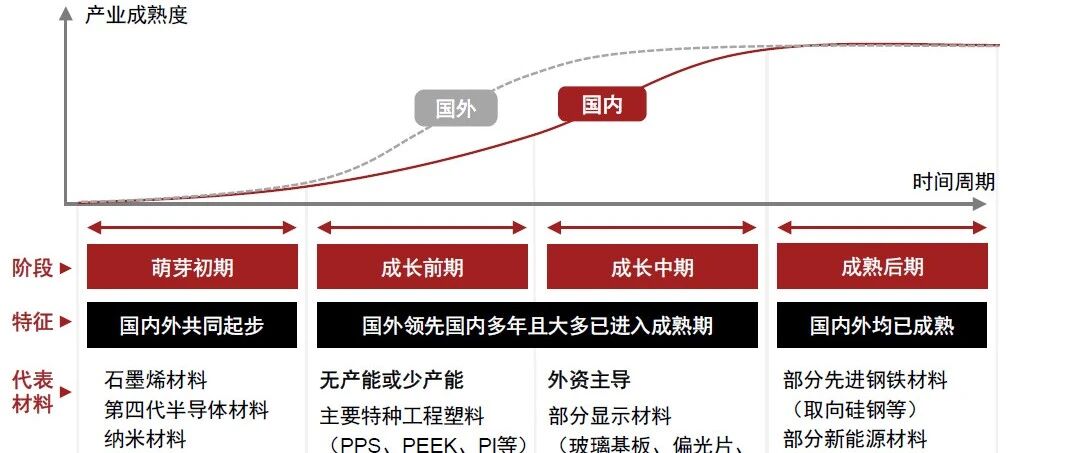
比稀土稀缺100倍!第四代半导体材料中国全球第一,打破西方垄断。
Sou Hu Cai Jing· 2026-02-02 12:14
Core Insights - The fourth-generation semiconductor materials, including gallium oxide, diamond, and aluminum nitride, exhibit superior performance compared to previous generations, capable of withstanding extreme conditions such as high voltage and temperature [2][3] - The scarcity of these materials is highlighted by the fact that antimony, a key raw material, has a very low abundance in the earth's crust, making it strategically valuable [3] - China has significant advantages in the production of these materials, controlling over 90% of gallium oxide reserves and 68% of gallium resources globally, which positions it favorably in the semiconductor market [4][5] Industry Developments - Chinese researchers and companies have made significant advancements in the production of fourth-generation semiconductor materials, achieving milestones such as the successful mass production of 8-inch gallium oxide crystals ahead of Japan's schedule [5] - The domestic production capabilities have expanded to include a complete production line for crystal growth, processing, and device manufacturing, with a projected monthly production capacity of over 100,000 gallium oxide power diodes by the end of 2025 [5] - The application of these materials has led to substantial cost reductions and efficiency improvements in various sectors, including electric vehicle charging and smart grid technology, demonstrating their practical impact on the industry [7] Competitive Landscape - Western companies are responding to China's advancements by implementing export controls and increasing their own production efforts, but they face challenges in overcoming China's resource and technological advantages [8] - The strategic importance of these materials has led to their classification alongside oil and rare earths, underscoring their critical role in future technologies such as 6G and quantum computing [3][8] - China's ability to innovate and produce competitively priced semiconductor materials is reshaping the global semiconductor landscape, indicating a shift in power dynamics within the industry [8]

新材料全景图:从实验室到全球市场的四大跃迁
材料汇· 2025-12-28 15:55
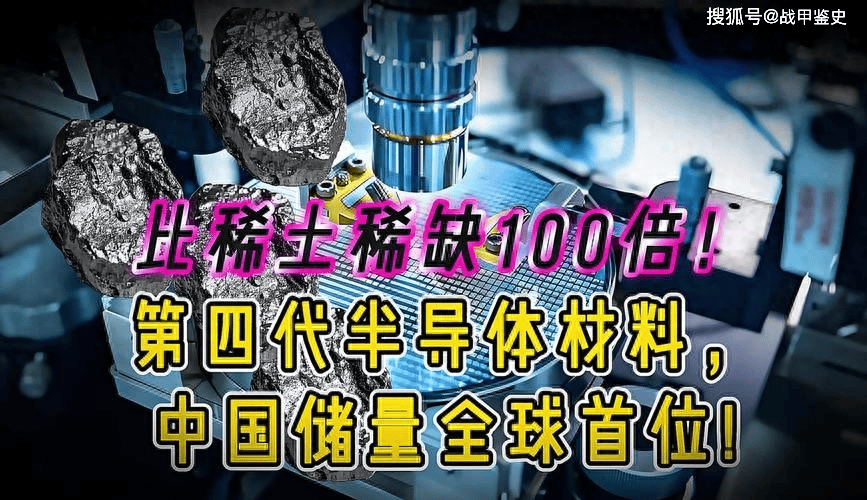
Core Viewpoint - The article outlines the four developmental stages of China's new materials industry, emphasizing its evolution from "catching up" to "keeping pace" and ultimately "leading" in the global market, highlighting the importance of technological iteration and industrial upgrading [2][21]. Group 1: Development Stages - The new materials industry is characterized by four stages: 1. **Emerging Stage**: This is a critical window for China to achieve a "leapfrog" in new materials, where technologies are mostly in experimental stages, and Chinese companies show potential to "keep pace" or even "lead" in certain areas [4][5]. 2. **Early Growth Stage**: This stage is marked by high reliance on imports for core technologies and materials, with significant supply chain risks. The main task is to achieve breakthroughs from "0 to 1" [7][8]. 3. **Mid-Growth Stage**: The industry shows structural maturity with significant domestic production capacity. However, high-end products are still dominated by foreign companies, indicating a need for further breakthroughs in domestic high-end materials [10][11]. 4. **Mature Stage**: Chinese companies have established a competitive advantage in the global market, achieving import substitution and becoming key players in the global supply chain, with the ability to set industry standards [14][21]. Group 2: Key Characteristics of Each Stage - **Emerging Stage**: - Features include a lack of solidified technology routes and significant innovation potential, driven mainly by research institutions and startups [5][6]. - **Early Growth Stage**: - Characterized by high import dependency and long product validation cycles, making it difficult to enter downstream supply chains [8][9]. - **Mid-Growth Stage**: - The market is divided into low-end and high-end segments, with intense competition in the low-end market and foreign dominance in high-end products [11][12]. - **Mature Stage**: - Companies leverage scale, cost control, and supply chain efficiency to compete globally, with some becoming industry leaders [14][21]. Group 3: Future Outlook - The future of the new materials industry in China is expected to play a crucial role in manufacturing upgrades, renewable energy revolutions, and healthcare, aiming for a transition from a "material power" to a "material strong power" [22].