算电协同技术

Search documents
晶科科技20260308
2026-03-09 05:18
Summary of Conference Call on Jinko Technology and Industry Trends Company Overview - **Company**: Jinko Technology - **Date**: March 8, 2026 Key Points and Arguments Industry Insights - **Electricity Costs**: Power costs have become a core expenditure for computing centers, with smart computing centers accounting for 50%-70% of costs, and supercomputing centers reaching 80%-90% [2][5][6] - **PUE Management**: Effective management of Power Usage Effectiveness (PUE) can significantly reduce costs, with potential reductions from 1.6-1.8 to 1.2-1.4, leading to energy cost savings of over 9.7% [2][8] - **Regional Electricity Price Trends**: The construction of data centers is driving regional electricity prices up, with first-tier cities experiencing electricity growth rates of 25%-30%, significantly exceeding the grid's expansion rate of 10% [2][3][11] - **Green Electricity Direct Connection**: In regions like Ulanqab, direct connection to green electricity can reduce overall energy costs by approximately 37.8%, with electricity prices potentially dropping from 0.45 yuan to below 0.28 yuan [2][9] Market Dynamics - **Electricity Price Projections**: The long-term outlook suggests that the national average electricity price may rise to the range of 0.7-0.8 yuan, with high-load computing node prices increasing significantly more than stable nodes [3][27] - **Data Center Energy Consumption**: By 2024, data center electricity consumption is projected to exceed 160 billion kWh, with expectations to surpass 700 billion kWh by 2030, representing a growth rate of approximately 16.1% [7] Cost Management Strategies - **Energy Efficiency Management**: The implementation of energy efficiency management can lead to substantial cost reductions, with a verified case showing a reduction in electricity costs by approximately 10 million yuan annually through effective PUE management [8][19] - **Integration of AI in Energy Management**: AI companies play a crucial role in providing integrated algorithms and platforms for user-side scheduling and trading, optimizing data center loads and energy efficiency [4][19] Regulatory and Market Influences - **Regulatory Impact on Pricing**: Various regions have imposed higher green electricity consumption requirements, directly affecting electricity costs through PUE assessments, with penalties for exceeding PUE thresholds [7][12] - **Supply-Demand Imbalance**: The rapid growth of data center loads can lead to regional electricity price increases due to supply-demand imbalances, particularly in areas where data center electricity demand exceeds 5%-10% of total capacity [10][11] Future Projections and Strategies - **Green Energy Integration**: Jinko Technology is focusing on energy management services, integrating wind and solar energy to create smart microgrids, and is actively pursuing green electricity direct connection projects [20][21] - **Distributed Energy Resources**: The company has a significant portfolio of distributed energy resources, including approximately 5 GW of solar power, and is exploring partnerships to enhance energy management solutions for data centers [22] Conclusion - The conference highlighted the critical role of electricity costs in the data center industry, the potential for significant cost savings through effective energy management, and the impact of regulatory frameworks on pricing dynamics. Jinko Technology is positioning itself strategically within this evolving landscape, focusing on green energy solutions and innovative management practices to drive efficiency and sustainability in the sector.

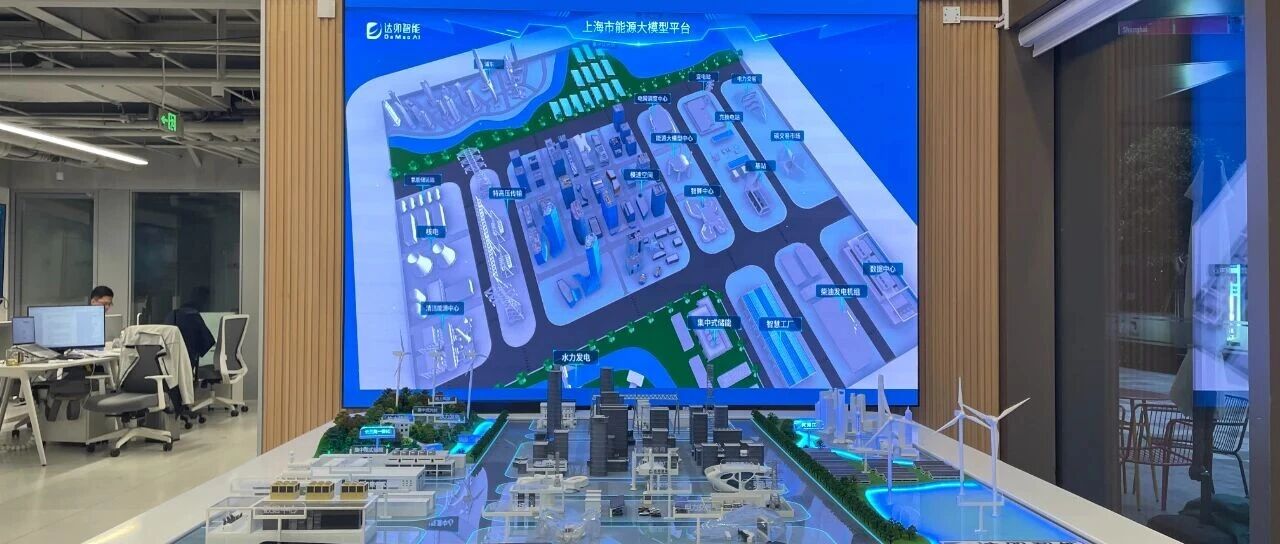
AI调度破解算力能源困局:达卯科技获宁德时代投资,三年内要达成30%市占率
第一财经· 2025-10-21 00:07
Core Viewpoint - The article emphasizes the growing importance of computing power as a core production factor, comparable to water and electricity, with energy being the foundation for its continuous operation [1] Group 1: Energy Consumption and Demand - By 2024, China's data center electricity consumption is projected to reach 166 billion kWh, accounting for 1.68% of the total electricity consumption in society, with power consumption per unit of computing power at approximately 5.9 kWh/EFLOPS [1] - The increasing demand for computing power is leading to mismatches in energy supply and demand, highlighting the need for intelligent solutions for precise energy scheduling and efficient utilization [1][3] Group 2: AI-Driven Energy Coordination - The concept of "computing power and electricity coordination" is introduced, focusing on balancing computing demand with energy supply through AI-driven models [3][4] - The company aims to match the "computing power consumption curve" with the "power generation supply curve" to achieve this balance [4] Group 3: Company Overview and Achievements - Founded in 2021, the company has become a star enterprise in Shanghai, focusing on energy management in computing centers, integrating AI technology for dynamic decision-making [5] - The company's technology has been validated in benchmark projects, achieving a 6.5% reduction in electricity costs and enhancing the self-balancing capability of the power system [6] Group 4: Market Position and Future Plans - The company plans to capture a 30% market share in the domestic computing power and electricity coordination business within three years, supported by strategic partnerships with major energy management firms [9] - The company is also exploring international markets, including Japan and Southeast Asia, to expand its consulting and lifecycle service projects [9]