糊辣椒面

Search documents
烧烤行业产业发展报告
Hong Can Chan Ye Yan Jiu Yuan· 2026-03-27 12:15
Investment Rating - The report provides a positive outlook for the barbecue industry, projecting the market size to exceed 280 billion yuan in 2026, indicating a growth opportunity for investors [3][33]. Core Insights - The barbecue industry has established a complete supply chain ecosystem, from upstream raw materials to downstream consumer consumption, with significant growth potential driven by regional barbecue trends [3][12]. - The consumer base is predominantly young, with 80% of barbecue consumers aged between 18 and 35, highlighting a targeted demographic for marketing strategies [3][52]. - Brands are innovating around ingredients, flavors, and consumer experiences to strengthen competitive barriers, focusing on fresh, novel, and unique offerings [3][57]. Summary by Sections Industry Overview - The barbecue industry has developed a mature supply chain, with the market size expected to surpass 280 billion yuan in 2026, reflecting a 4.3% growth from 2025 [3][33]. - The market share of barbecue within the overall dining sector is approximately 5%, with skewed preferences towards skewers and grilled meat [3][31]. Development Trends - Barbecue brands are focusing on ingredient innovation, emphasizing fresh, new, and unique offerings while also exploring regional and international flavors [3][56]. - The competition is intensifying, with brands enhancing their product offerings and operational efficiencies to attract consumers [3][58]. Future Outlook - The barbecue market is expected to see a rise in quality and cost-effectiveness, with regional specialty barbecue categories poised for explosive growth [3][7]. - The increasing number of barbecue enterprises indicates a competitive landscape, with a notable decline in the number of stores from a peak in 2024 [3][37]. Consumer Insights - The primary consumer demographic for barbecue is young adults aged 18 to 35, with a significant portion of consumers willing to explore new flavors [3][50][55]. - Social gatherings and late-night snacks are the main consumption scenarios, with a growing trend towards diverse dining experiences [3][52]. Supply Chain and Logistics - The barbecue supply chain includes a variety of suppliers for ingredients, seasonings, and equipment, with a notable rise in cold chain logistics supporting efficient distribution [3][28]. - The cold chain logistics industry is projected to reach 556.7 billion yuan by 2025, facilitating the growth of the barbecue sector [3][30].
北京麻酱VS川渝油碟VS云贵蘸水,到底哪里的火锅蘸料最好吃?
Xin Lang Cai Jing· 2026-02-19 05:36
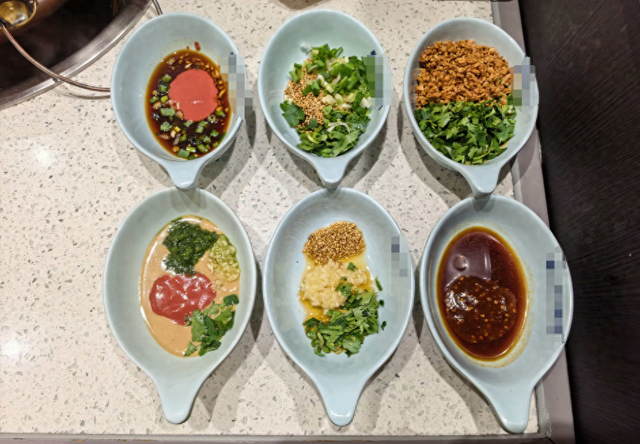
Core Viewpoint - The article explores the diverse dipping sauces used in hot pot across different regions of China, highlighting their unique flavors and cultural significance. Group 1: Types of Dipping Sauces - Northern Sesame Sauce Style: Characterized by a rich and thick sesame sauce, often a mix of 20% sesame paste and 80% peanut paste, commonly used in regions like Beijing and Inner Mongolia [6][8]. - Sichuan and Chongqing Oil Dip Style: Features a combination of dry dip (chili powder, sesame, salt) and oil dip (sesame oil, garlic), known for its spicy and fragrant profile [17][19]. - Yunnan and Guizhou Dipping Water Style: Known for its focus on spicy and aromatic flavors, using ingredients like roasted chili powder and various herbs [23][25]. - Coastal Fresh and Sweet Style: Emphasizes light and fresh flavors, often using seafood sauce or soy sauce, typical in regions like Guangdong and Hainan [33][35]. Group 2: Nutritional Insights - Sesame sauce is high in calories and fat, with one tablespoon containing nearly 100 kcal and 8 grams of fat, equivalent to the calories in two bowls of rice if consumed in excess [8][12]. - The Sichuan oil dip enhances flavor while also providing a way to mitigate the heat from spicy dishes, with ingredients that can increase dietary fiber and essential nutrients [22][23]. - The Guizhou dipping water is noted for being low in fat and enhancing appetite, while the Yunnan version offers a refreshing taste that balances richer meats [32][25]. Group 3: Health Considerations - The article advises caution regarding hidden calories in sauces like sesame and chili oils, which can contribute significantly to overall caloric intake [47][48]. - It highlights the importance of managing sodium intake, as many dipping sauces contain high levels of salt, potentially exceeding daily recommended limits [49][50]. - Recommendations for specific dietary needs include low-calorie options for weight loss and low-sodium alternatives for individuals with hypertension [54][55].