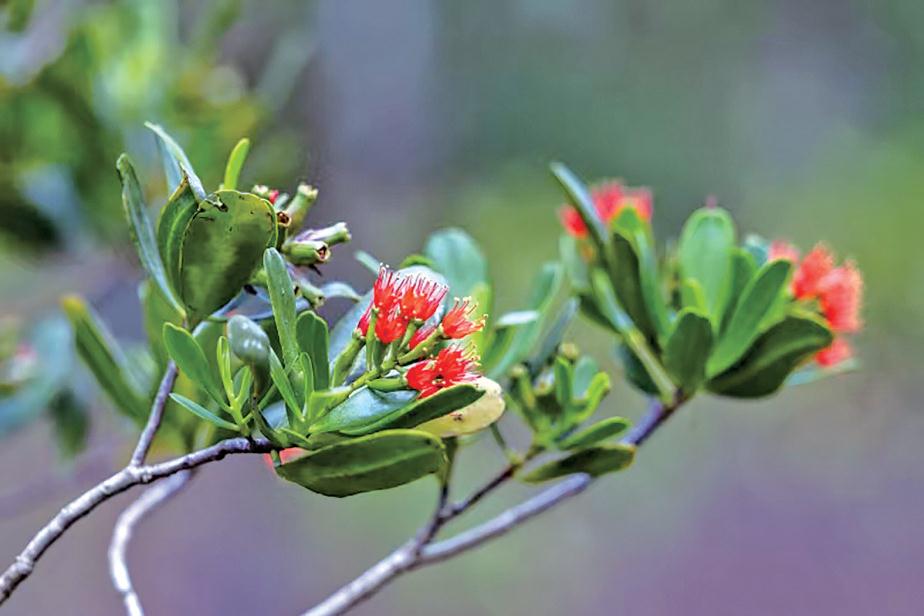
红榄李

Search documents
行进的海岸线|国家级美丽海湾优秀案例 15载“海底造林”让三亚海棠焕新
Yang Guang Wang· 2025-12-15 07:54
Core Viewpoint - The article highlights the successful ecological restoration efforts in Sanya, Hainan, particularly focusing on coral reef rehabilitation and mangrove conservation, showcasing the transformation of tourism into active ecological participation by visitors [1][3]. Coral Reef Restoration - The coral coverage at Wuzhizhou Island has increased from less than 15% in 2010 to 37.08% currently, with fish species diversity rising from 62 to 265 [3]. - Over 30,000 tourists have participated in coral transplantation programs over the past decade, turning tourism activities into measurable ecological restoration actions [3]. - Real-time monitoring of coral growth is conducted using underwater cameras and sensors, allowing for tracking of the ecosystem's health [1][3]. Mangrove Conservation - The mangrove area at Tielu Port Natural Reserve includes nearly 100 ancient trees, featuring the critically endangered red mangrove species [6]. - The reserve has faced challenges, such as damage from Typhoon "Swordfish" in 2025, but recovery efforts have led to the survival and growth of these ancient trees [6]. - The ecological protection strategies implemented have resulted in a dynamic balance of the coastline, with nearshore water quality achieving a 100% excellence rate for three consecutive years [9]. Overall Ecological Impact - The combined efforts of coral reef transplantation, mangrove restoration, and shoreline rehabilitation have contributed to the overall improvement of the marine environment in Sanya, with the area being recognized as an exemplary case for national beautiful bays [9].


“红树大熊猫”的种群复生
Zhong Guo Zi Ran Zi Yuan Bao· 2025-07-23 09:45
Core Viewpoint - The article highlights the critical situation of the endangered red mangrove species, Rhizophora stylosa, in Hainan, China, emphasizing conservation efforts and the importance of habitat restoration for its survival [3][6][11]. Group 1: Current Status of Red Mangrove - The red mangrove, referred to as the "panda of mangroves," is critically endangered, with only 13 original specimens remaining in China as of the latest survey, down from 14 in 2016 [3][6]. - The original population in Lingshui has decreased to 4 specimens, indicating a severe decline in its natural habitat [3][6]. Group 2: Factors Affecting Survival - Human activities, climate change, and habitat degradation have significantly impacted the red mangrove's survival, with an 80% seed sterility rate reported, hindering natural regeneration [6][10]. - The remaining specimens are showing signs of aging and decline, with some trees exhibiting hollow trunks and parasitic growths that threaten their health [6][10]. Group 3: Conservation Efforts - The protection level of the red mangrove was upgraded from national second-class to first-class in August 2021, reflecting its critical status [7]. - Conservation actions include habitat restoration, removal of over 1,600 acres of aquaculture ponds, and the establishment of protective measures for ancient trees [9][11]. - Research teams have achieved significant advancements in seed germination rates, increasing from 0.3% to 17%, and have successfully cultivated over 2,000 red mangrove seedlings in the wild [11][12]. Group 4: Future Plans - Ongoing efforts aim to explore natural growth patterns without human intervention and further improve seed germination rates to ensure the species can thrive independently [12].