
纤维制品

Search documents
纤维制品监管“扩围”
Ren Min Ri Bao Hai Wai Ban· 2026-01-14 07:27
Core Viewpoint - The National Market Supervision Administration has revised the "Quality Supervision and Management Measures for Fiber Products" and the mandatory national standard for "General Technical Requirements for Fiber Products for Filling," which will come into effect on July 1, 2026, aiming to enhance the quality and safety of fiber products in the market [1][2][3] Group 1: Regulatory Changes - The revised measures expand the scope of regulation to include all daily-use fiber products and non-daily-use filling fiber products, while excluding certain special-purpose fiber products [1] - The new regulations implement differentiated management for various fiber product categories and recycled raw materials, prohibiting the use of certain waste materials in production [2] Group 2: Labeling and Safety Standards - The regulations require clear labeling of products made from recycled materials, including fiber composition and safety categories for specific items like student uniforms and infant products [2] - The new standards enhance key technical indicators and hygiene safety requirements for filling fiber products, aiming to improve product quality and safety [3] Group 3: Monitoring and Compliance - The administration plans to strengthen monitoring across both online and offline channels, particularly in response to the complexities introduced by new sales platforms [3] - The implementation of these measures and standards aims to establish a comprehensive and precise modern quality safety regulatory system for fiber products [3]
市场监管总局出台两项新规 全面加强纤维制品质量安全监管
Ke Ji Ri Bao· 2026-01-14 04:53
Core Viewpoint - The Market Supervision Administration has announced the revision of the "Quality Supervision and Management Measures for Fiber Products" and the mandatory national standard "General Technical Requirements for Fiber Products for Bedding," which will take effect on July 1, 2026, aiming to enhance quality safety supervision of fiber products and promote the upgrading of the textile industry while ensuring consumer health and rights [1][2]. Group 1: Regulatory Enhancements - The revised measures focus on three main areas: comprehensive coverage of all life-use fiber products, strict control at the source, and clear restrictions on raw materials [2]. - A full-chain regulatory system will be established, covering raw materials, production, sales, and service operations, with a focus on products for infants, school uniforms, underwear, and bedding fiber products [2]. - The use of hazardous materials, such as medical waste, in the production of fiber products is strictly prohibited, especially for products intended for vulnerable groups like infants [2]. Group 2: Labeling and Consumer Rights - The new regulations require that fiber products made from recycled materials must clearly indicate the source of the materials [2]. - School uniforms, underwear, and infant products must label fiber composition, content, and safety categories, while non-living bedding fiber products must carry a "non-living product" durability label to prevent misuse [2]. Group 3: National Standards Adjustments - The new mandatory national standard allows for the use of recycled chemical fibers in the production of living bedding fiber products, provided that they meet hygiene standards [3]. - Reprocessed fibers can be used for fabric production under specific sterilization conditions, but their use in filling materials remains prohibited to ensure safety [3]. - The new standard emphasizes the need for clear labeling of products made from recycled materials to protect consumer rights and choices [3].
学生服等纳入重点监管!纤维制品监管新规来了
Xin Hua She· 2026-01-14 02:23
Core Viewpoint - The recent revisions to the "Quality Supervision and Management Measures for Fiber Products" and the mandatory national standard "General Technical Requirements for Fiber Products Used for Filling" by the State Administration for Market Regulation (SAMR) aim to enhance quality safety supervision with high standards and strict requirements. Group 1: Regulatory Changes - The revised management measures expand the scope from three categories (filling fiber products, student uniforms, and fabrics) to all daily fiber products and non-daily filling fiber products [1] - The measures prohibit the use of certain raw materials, including medical fiber waste and used funeral fiber products, in the production of fiber products [1][2] - Specific regulations are established for labeling fiber products, requiring clear indications of recycled materials used and safety classifications for products like student uniforms and infant fiber products [1] Group 2: Focus on Key Products - The revised measures identify infant fiber products, student uniforms, underwear, and filling fiber products as key regulatory targets, implementing differentiated raw material prohibitions based on risk levels [2] - Manufacturers and sellers of fiber products are required to establish and execute a procurement inspection and acceptance system to ensure traceability of quality responsibility [2] - A strict pre-inspection system is mandated for products like student uniforms that are subject to centralized procurement and uniform use, ensuring that only inspected and qualified batches are delivered [2] Group 3: Quality Monitoring and Standards - The SAMR plans to conduct quality monitoring of fiber products, establishing a dynamic risk assessment and early warning model for quality safety [2] - Special monitoring modules will be created for potential risk areas, including the recycling of used textiles and new functional fiber materials [2] - The new national standard adjusts the application requirements for recycled materials in daily filling fiber products, setting clear technical boundaries and usage norms to promote better classification and higher-level recycling of waste textiles [3]
学生服等纳入重点监管!纤维制品新规来了
Xin Hua She· 2026-01-14 00:19
Core Viewpoint - The recent revisions to the "Quality Supervision and Management Measures for Fiber Products" and the mandatory national standard "General Technical Requirements for Fiber Products" aim to enhance quality safety supervision in the fiber products industry, with stricter regulations and higher standards for various fiber products used in daily life [1][2]. Group 1: Regulatory Changes - The revised management measures expand the scope from three categories (bedding fiber products, student uniforms, and fabrics) to all life-use fiber products and non-life-use fiber products [1]. - The new regulations prohibit the use of certain raw materials, including medical fiber waste and used funeral fiber products, in the production of fiber products [1][2]. - Specific labeling requirements are established, such as indicating the use of recycled materials and detailing fiber composition and safety categories for products like student uniforms and infant fiber products [1]. Group 2: Focus on Key Products - The revised measures emphasize the regulation of key products, including infant fiber products, student uniforms, and non-life-use fiber products, focusing on raw materials, production, and labeling [2]. - A differentiated management approach for raw material bans is implemented based on the risk levels of different products [2]. - Manufacturers and sellers of fiber products are required to establish and execute a procurement inspection and acceptance system to ensure traceability of quality responsibility [2]. Group 3: Quality Monitoring and Standards - The management measures include the establishment of a dynamic risk assessment and early warning model for fiber product quality safety, targeting high-risk areas and new materials [2][3]. - A special monitoring module will be created for the recycling of used textiles and new functional fiber materials to address potential risks [2]. - The new national standard adjusts the application requirements for recycled materials in life-use fiber products, setting clear technical boundaries and usage norms to promote better classification and processing of waste textiles [3].
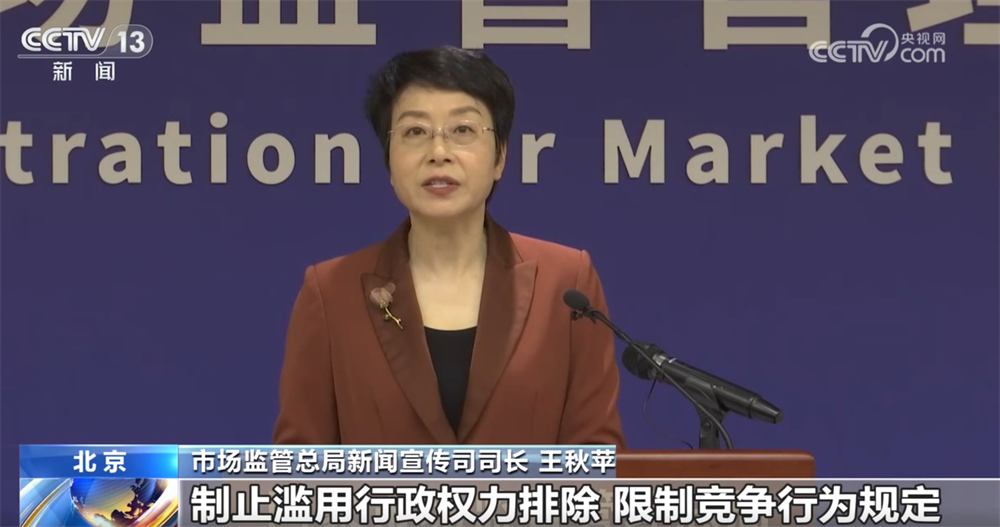
如何提升纤维制品质量监测效能?
Xin Lang Cai Jing· 2026-01-13 18:49
Core Viewpoint - The article discusses the efforts of the Market Regulation Administration to enhance the quality monitoring of fiber products, which directly impacts public health and interests, particularly in the context of infant clothing and school uniforms [1][2]. Group 1: Quality Monitoring Mechanism - The administration plans to construct a quality monitoring mechanism for fiber products by integrating data from production, circulation, consumption, and public opinion to establish a dynamic risk assessment and early warning model [1]. - Big data analysis will be utilized for targeted monitoring of key products, high-risk areas, and new materials, especially in the recycling of used textiles and potential risks associated with new functional fiber materials [1]. Group 2: Online and Offline Monitoring - There will be a strengthened integrated monitoring mechanism for both online and offline channels to address the complexities arising from the rapid development of new sales channels such as e-commerce platforms, live marketing, and social e-commerce [2]. - The aim is to timely assess the quality and safety risks of fiber products and ensure that e-commerce platforms fulfill their responsibilities regarding quality safety [2]. Group 3: Standards and Technology Upgrades - The administration will accelerate the updating of standards and the upgrading of testing technologies to keep pace with the development trends of new materials and processes [2]. - This includes revising safety and performance standards for fiber products, supplementing safety indicators and testing methods, and providing technical support for the improvement of the fiber product standard system [2].
纤维制品监管新规出台 质量要求更严更规范
Xin Hua Wang· 2026-01-13 08:33
Core Viewpoint - The new regulations on fiber products aim to enhance quality standards and safety supervision, directly impacting public health and consumer interests [1]. Group 1: Regulatory Changes - The revised "Quality Supervision and Management Measures for Fiber Products" expands its scope from three categories to all life-use fiber products and non-life-use fiber products [1]. - The regulations prohibit the use of certain materials, including medical waste fibers and used funeral fibers, in the production of fiber products [1]. - Specific bans are placed on the use of recycled fibers for making underwear and infant fiber products, with exceptions for recycled polyester fibers [1]. Group 2: Labeling and Monitoring - The regulations require clear labeling for fiber products made from recycled materials, including the specification of such materials [2]. - Key products like infant fiber products, student uniforms, and underwear are designated as focus areas for regulatory oversight, emphasizing raw materials, production, and labeling [2]. - A dynamic risk assessment and early warning model for fiber product quality will be established to monitor high-risk areas and new materials [3]. Group 3: National Standards - The mandatory national standard "General Technical Requirements for Fiber Products" has been revised to set clear technical guidelines for the use of recycled materials in life-use fiber products [3]. - The new standards encourage better classification and higher-level recycling of waste textiles, supporting the upgrade of the recycling industry [3].
一系列新规将陆续发布实施 涉及平台经济、食品安全等你我关心的问题
Yang Shi Wang· 2025-12-16 10:57
Group 1 - The market regulatory authority is set to introduce a series of new regulations aimed at standardizing platform economy, food safety, and anti-monopoly practices [1][3] - New regulations such as the "Live E-commerce Supervision Management Measures" and "Network Trading Platform Rules Supervision Management Measures" will be published soon to ensure orderly development and regulatory compliance [1] - To enhance food safety, two new regulations will be released: "Food Entrusted Production Supervision Management Measures" and "Food Safety Responsibility Supervision Regulations for Chain Enterprises" [3] Group 2 - The revised "Quality Supervision Management Measures for Fiber Products" will be published to better align with industry development and regulatory needs [5] - The market regulatory authority is working on a "first violation not punished" and "minor violation exempt from punishment" list, establishing rigid thresholds for these categories [6] - The upcoming second batch of exemption lists will add three new categories for first violations and four for minor violations, clarifying the boundaries for enforcement [8] Group 3 - The authority emphasizes a zero-tolerance policy for violations related to food safety and public safety, ensuring that penalties are enforced for serious offenses [10] - The goal is to provide a clear framework for both businesses and enforcement personnel, promoting a fair and transparent business environment [3][6]

Greif(GEF) - 2025 Q4 - Earnings Call Transcript
2025-11-06 14:30
Financial Data and Key Metrics Changes - Adjusted EBITDA for Q4 was $99 million, a 7.4% increase year-over-year, with EBITDA margins expanding by 140 basis points due to better price-cost dynamics across all segments and cost optimization efforts [15][17] - Adjusted free cash flow improved by over 24.3% year-over-year, driven by increased EBITDA and strong working capital management [15] - Adjusted EPS for the quarter was $0.01 compared to $0.59 in the prior year quarter, impacted by non-recurring tax items and the nature of continuing operations after removing discontinued operations [16] Business Line Data and Key Metrics Changes - In the polymers segment, small containers showed positive volume momentum, while IBC and large polymer drums experienced mid-single-digit declines due to softness in industrial markets [11][12] - Durable metals volumes declined by 6.6%, reflecting weakness in industrial end markets [12] - Sustainable fiber volumes decreased by 7.7%, impacted by URB economic downtime and soft fiber drum demand [12] - Integrated solutions saw volume improvements driven by closures, with these products generating over 30% gross margin [12] Market Data and Key Metrics Changes - The company reported a Net Promoter Score of 72, an improvement of 3 points from the previous year, indicating enhanced customer service performance [5] - The macro environment remains challenging, with demand softness in construction and manufacturing affecting customer volumes [27] Company Strategy and Development Direction - The company is focused on a "Build to Last" strategy, emphasizing cost optimization, portfolio reshaping, and sustainable growth [6][24] - The divestiture of the containerboard and land management businesses has allowed the company to concentrate on areas with the greatest opportunity for EBITDA growth and margin expansion [5][24] - The cost optimization program has exceeded initial commitments, with anticipated cumulative savings raised from $50 million-$60 million to $80 million-$90 million for fiscal 2026 [9][10] Management's Comments on Operating Environment and Future Outlook - Management acknowledged the ongoing challenges in the macro environment but expressed confidence in the company's ability to generate cash and manage costs effectively [36] - The company anticipates a low-end guidance for fiscal 2026, assuming flat to low single-digit volume declines in metals and fiber, with low single-digit improvements in polymers and closures [18][19] - Management remains optimistic about capturing value as demand returns, supported by a strong balance sheet and cash flow generation [24][70] Other Important Information - The company plans to execute a $150 million open market repurchase plan and seeks board approval for a new stock repurchase authorization [22][23] - The anticipated capital expenditures for the year are approximately $155 million, with maintenance CapEx needs reduced by about $25 million [20] Q&A Session Summary Question: Can you provide more details on the growth in polymers and target markets? - Management noted that the agrochemicals market has been a significant growth area, particularly for small containers, despite overall demand softness in other sectors [27] Question: How should we think about EBITDA guidance for fiscal 2026? - Management indicated that the first quarter is expected to be the weakest, with subsequent quarters showing improvement [29] Question: If volumes come in weaker, can cost optimization offset that? - Management confirmed that cost optimization remains a lever to pull in response to volume weakness, with ongoing improvements in the program [33] Question: What are the expectations for the durable metals business in Europe? - Management highlighted that North American steel business has been down similarly to EMEA, but EMEA steel has shown consistent performance [66] Question: What is the outlook for M&A activity? - Management stated that while there is a solid pipeline for M&A, the focus remains on organic growth, with no transformational M&A expected [41][68]
博菲电气股价跌5.1%,中信保诚基金旗下1只基金位居十大流通股东,持有50万股浮亏损失80万元
Xin Lang Cai Jing· 2025-09-23 02:43
Core Viewpoint - Bofei Electric experienced a 5.1% decline in stock price on September 23, closing at 29.80 CNY per share, with a total market capitalization of 2.422 billion CNY, marking a cumulative drop of 4.5% over four consecutive days [1] Company Overview - Bofei Electric, established on March 7, 2007, is located in Haining Economic Development Zone, Zhejiang Province. The company specializes in the research, production, and sales of electrical insulation materials and polymer composite materials [1] - The main revenue composition includes: - Insulation resin: 49.46% - Slot wedges and laminated products: 22.51% - Mica products: 10.85% - Fiber products: 7.50% - Others: 6.12% - Binding products: 3.56% [1] Shareholder Analysis - CITIC Prudential Fund's multi-strategy mixed fund (LOF) A (165531) is among the top ten circulating shareholders of Bofei Electric, having increased its holdings by 318,500 shares in Q2, totaling 500,000 shares, which represents 2.69% of the circulating shares [2] - The fund has incurred a floating loss of approximately 800,000 CNY today, with a cumulative floating loss of 740,000 CNY during the four-day decline [2] - The fund was established on June 16, 2017, with a current size of 1.245 billion CNY. Year-to-date returns stand at 37.35%, ranking 2094 out of 8172 in its category, while the one-year return is 75.25%, ranking 1493 out of 7995 [2] - The fund managers, Jiang Feng and Wang Ying, have tenures of 5 years and 8 years respectively, with significant returns during their management periods [2]
事关“学生服”等纤维制品质量,市场监管总局公开征求意见
Xin Jing Bao· 2025-05-27 10:41
Core Viewpoint - The State Administration for Market Regulation has released a draft for public consultation regarding the revised "Quality Supervision and Management Measures for Fiber Products," aiming to address new challenges in the fiber products industry and enhance quality supervision [1][2]. Group 1: Regulatory Changes - The existing regulations, implemented on March 31, 2016, are deemed inadequate for current industry developments and quality supervision needs, necessitating revisions [1]. - The scope of the revised measures will expand from three categories (filling fiber products, student clothing, and textile fabrics) to encompass all fiber products, ensuring comprehensive quality safety [1]. Group 2: Focus Areas - The revision will specifically target issues related to "black cotton" and "toxic school uniforms," as well as promote the circular economy by improving requirements for the recycling of used textiles [1]. - Key monitored products will include filling fiber products, student clothing, and infant textile products, highlighting a focus on these categories within the broader regulatory framework [1]. Group 3: Quality Supervision Mechanisms - The draft outlines a supervision and inspection system, employing a "double random, one public" approach for oversight [2]. - New regulatory measures will include monitoring e-commerce operators selling fiber products and transitioning from "credit evaluation" to "credit supervision," with an emphasis on guiding enterprises towards compliance and integrity [2].