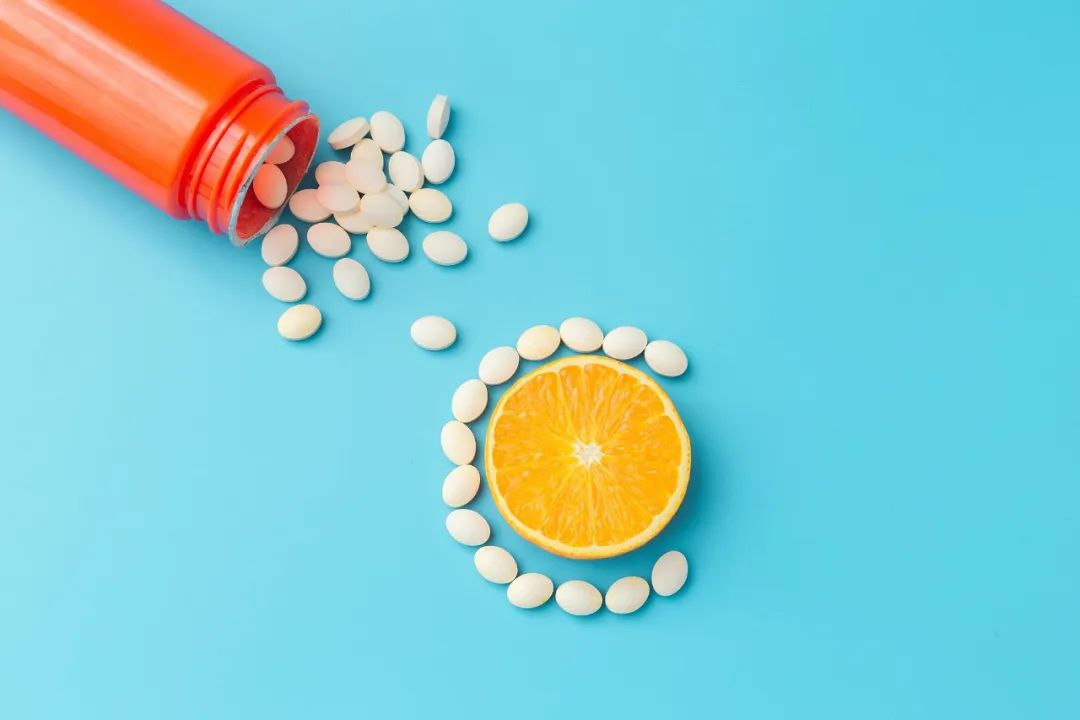
维生素C补充剂

Search documents
2元维C和上百元维C,有区别吗?
Yang Shi Xin Wen· 2025-10-26 06:27
Core Insights - The article discusses the differences between various vitamin C products available in the market, highlighting the price range from 2 yuan to over 100 yuan and the implications of these differences on health and nutrition [1][4]. Group 1: Vitamin C Importance - Vitamin C, also known as ascorbic acid, is an essential nutrient for the human body, with deficiencies leading to scurvy, gum bleeding, tooth loss, and severe health risks [2]. - In China, the average daily intake of vitamin C for residents aged 65 and above is 71.8 mg, while for adults aged 18 to 35, it is 56.41 mg, compared to the recommended daily intake of 100 mg [2]. Group 2: Differences in Vitamin C Products - There are significant price differences in vitamin C products, with synthetic versions priced lower and marketed as OTC drugs, while natural vitamin C is sold as health supplements at higher prices [4]. - Both natural and synthetic vitamin C have the same chemical structure and health benefits, as they serve the same function in the body [4]. Group 3: Supplementation Recommendations - To ensure adequate vitamin C intake, it is recommended to consume 500 grams of vegetables and 250 grams of fruits daily, which are rich sources of vitamin C [6]. - For those concerned about insufficient intake from food, taking vitamin C supplements of 100 mg to 200 mg daily is suggested [7]. - It is important to note that excessive intake of vitamin C, whether natural or synthetic, is not beneficial and can be harmful [8].
儿童不是“小”大人 呼吸道疾病如何更好对症下药?
Yang Shi Wang· 2025-10-25 01:41
Core Insights - The recent monitoring report from the National Center for Disease Control and Prevention indicates a rising positive detection rate of respiratory syncytial virus (RSV) in southern provinces, particularly among children aged 0-4 years [1][2] Group 1: Current Situation of Respiratory Syncytial Virus - Experts state that RSV has entered an epidemic phase in southern China, occurring earlier than in previous years [2] - In hospitalized pneumonia cases, RSV accounts for approximately 30% of nucleic acid tests, indicating a significant prevalence [2] Group 2: Other Respiratory Pathogens - Alongside RSV, other common respiratory pathogens include Mycoplasma pneumoniae and Streptococcus pneumoniae, each presenting different symptoms and requiring careful differentiation for effective treatment [3] - RSV poses a high risk of severe respiratory illness in infants, particularly those under two years old, with symptoms that may progress rapidly [3] Group 3: Treatment Approaches - There are no specific antiviral medications for viral pneumonia caused by RSV; management focuses on monitoring for complications and organ function [4] - Antibiotics are not a universal solution; inappropriate use can lead to antibiotic resistance and delay proper treatment [3][4] Group 4: Pediatric Medication Guidelines - Experts emphasize that children are not "small adults," and medication should be used cautiously to avoid potential liver and kidney damage [5] - It is advised to avoid using cough suppressants, as coughing serves a vital role in clearing respiratory secretions [7] Group 5: Misconceptions in Respiratory Disease Prevention - Common misconceptions include the effectiveness of vitamin C and home remedies like vinegar fumigation, which may not provide the intended protective effects and could harm sensitive respiratory systems in infants [8][9]
2元和200元的维生素C,有区别吗?
Yang Shi Xin Wen· 2025-05-22 09:38
Core Insights - Vitamin C products have gained popularity in recent years, with claims of benefits ranging from cardiovascular health to skincare, leading to a price disparity between natural and synthetic options [1][4] - The average daily intake of Vitamin C among older adults in China is 71.8 mg, while the recommended daily intake is 100 mg, indicating a deficiency in many individuals [2] - There is no significant difference in the nutritional effects of natural versus synthetic Vitamin C, as both have the same chemical structure and health benefits [4][6] Vitamin C Importance - Vitamin C, also known as ascorbic acid, is essential for human health, preventing conditions like scurvy, which can lead to severe health issues [1] - Long-term deficiency can result in serious health problems, highlighting the importance of adequate Vitamin C intake [1] Vitamin C Intake Recommendations - It is recommended to consume 500 grams of vegetables and 250 grams of fruits daily to meet Vitamin C needs, with specific examples of high Vitamin C foods provided [7][10] - For those concerned about dietary intake, a daily supplement of 100-200 mg of Vitamin C is suggested, but excessive intake should be avoided due to potential health risks [10] Natural vs. Synthetic Vitamin C - The primary difference between natural and synthetic Vitamin C is the price, with synthetic options being significantly cheaper while providing the same health benefits [6] - Both forms of Vitamin C are chemically identical and serve the same nutritional purpose, debunking myths about the superiority of natural sources [4][6]