
网球机器人Acemate

Search documents
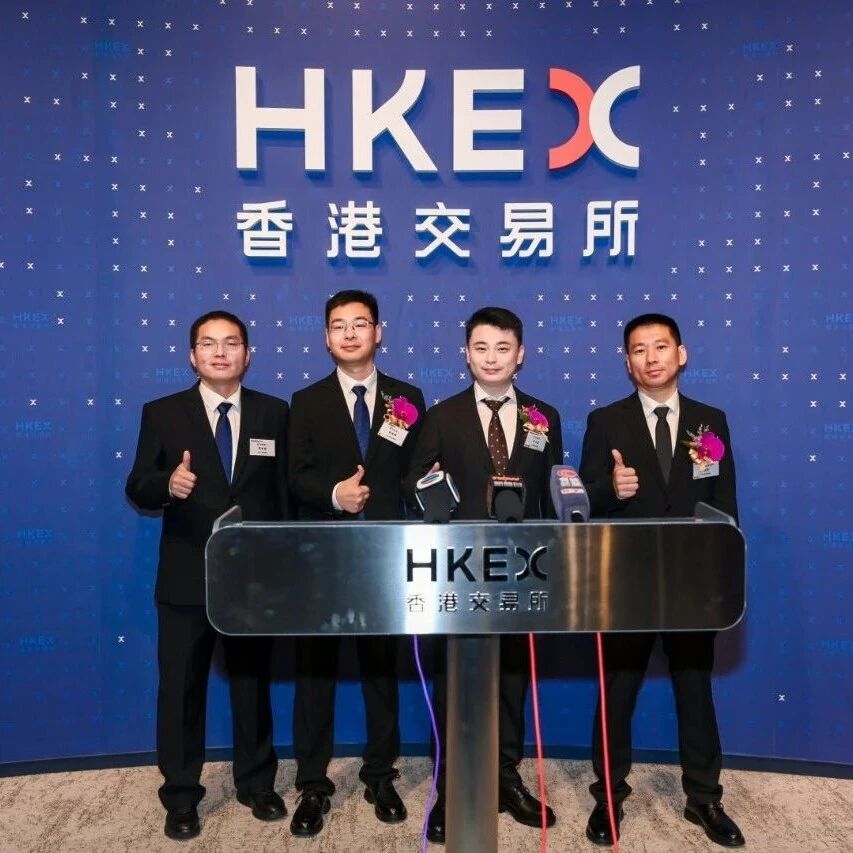
4位哈工大同学港股敲锣了
投资界· 2025-12-30 03:06
Core Viewpoint - The article highlights the successful IPO of Woan Robotics, marking it as the first publicly listed company focused on AI-driven household robots, showcasing the entrepreneurial journey of its founders from Harbin Institute of Technology to the Hong Kong Stock Exchange [2][3]. Company Background - Woan Robotics was founded in 2015 by a group of Harbin Institute of Technology alumni, including CEO Li Zhichen and CTO Pan Yang, after they participated in a design competition in Shenzhen in 2009 [5][6]. - The company aims to create a comprehensive ecosystem of household robots that can perform various tasks, emphasizing the need for robots to operate seamlessly in home environments without requiring significant modifications to existing setups [6][7]. Financial Performance - Woan Robotics has shown significant revenue growth, with revenues of RMB 274.6 million in 2022, projected to reach RMB 609.9 million in 2024, reflecting a compound annual growth rate of 49% [7][8]. - The company has also reported a reduction in losses, with a projected net loss of RMB 3.1 million for 2024, down from RMB 16.4 million in 2023 [8]. Market Strategy - The company has successfully expanded its market presence, exporting products to over 90 countries, with Japan and Europe being key markets [7][12]. - Woan Robotics has strategically invested in R&D, maintaining a research and development expense ratio of approximately 20%, to innovate and adapt its products for various international markets [13][14]. Investment and Growth - Woan Robotics has attracted a diverse group of investors, including Source Code Capital and Hillhouse Capital, and has completed multiple funding rounds since its inception [12][14]. - The company’s growth strategy includes replicating its successful market entry methods from Japan to other regions, focusing on building a sustainable business model that respects local market demands [13][16]. Industry Insights - The article discusses the broader context of hardware entrepreneurship in China, emphasizing the importance of internationalization from the outset to avoid "path dependency" and to better meet global market needs [15][16]. - Li Zhichen predicts that household robots will become the next major consumer technology after smartphones and cars, but emphasizes the need for clear role definitions among different types of robots in domestic settings [17].

竞逐全球市场 比拼科技含量——广东“智造”擎动体育产业新浪潮
Xin Hua Wang· 2025-10-24 05:29
Core Insights - Guangdong's sports manufacturing industry is leveraging advanced technology to compete in the global market, with a focus on smart manufacturing and digital transformation [2][6] - The region is home to significant achievements in sports infrastructure, with local manufacturers contributing to over 60% of the world's IAAF-certified athletic tracks [1][2] - Companies like SwitchBot are innovating in sports technology, exemplified by their AI-powered tennis robot, which has gained international attention and funding [4][5] Group 1: Industry Developments - Guangdong's Olympic Sports Center will host the 15th National Games, showcasing local manufacturing capabilities in sports infrastructure [1] - The sports manufacturing sector in China is undergoing a digital transformation, with 146 companies recognized as "specialized, refined, distinctive, and innovative" small giants, including 30 from Guangdong [2] - The bicycle industry in Shenzhen's Guangming District has evolved from a contract manufacturing base to a globally recognized brand, with significant export growth projected [8] Group 2: Technological Innovations - SwitchBot's tennis robot "Acemate" features advanced AI technologies, enabling it to perform like a professional player, highlighting the integration of AI in sports training [4][5] - The manufacturing base of companies like Tongxin Sports integrates automation, digitalization, and intelligence, redefining manufacturing standards in sports materials [2][6] Group 3: Economic Impact - The bicycle manufacturing sector in Guangming District is projected to contribute over 105.88 billion yuan to Shenzhen's total output, with Guangming accounting for more than 60% [8] - The region aims to create a comprehensive "cycling+" economic ecosystem, enhancing tourism and sports events through strategic planning and infrastructure development [9]