
网约房

Search documents
扰民、赌博、性侵、吸毒……网约房在灰色地带杀疯了!
Xin Lang Cai Jing· 2025-10-30 05:22
Core Viewpoint - The development of the sharing economy, particularly in the context of the current economic environment, is thriving despite the overshadowing focus on AI. The demand for cost-saving solutions is driving the rapid rise of short-term rental services, such as day and hour rentals of online booked accommodations [1]. Group 1: Market Dynamics - The sharing economy is experiencing significant growth as consumers seek ways to save money on various services, including accommodations [1]. - The emergence of online rental services is catering to specific consumer needs, leading to the rapid development of a new economic model [1]. Group 2: Regulatory Challenges - Online rental properties operate in a regulatory gray area, lacking the necessary licenses and permits that traditional hotels and inns require, which raises concerns about safety and legality [10]. - The absence of regulation has led to these properties becoming hotspots for criminal activities, including drug use, gambling, and sexual offenses [10][14]. - The lack of a clear definition and regulatory framework for online rental properties complicates the enforcement of safety measures and consumer protection [16]. Group 3: Social Issues - Reports indicate that disturbances caused by online rental properties, such as noise and disruptive behavior, are affecting local communities [3][7]. - There have been alarming incidents involving minors and criminal activities occurring within these rental properties, highlighting significant social risks [12][16].


堵住网约房监管漏洞
Ren Min Wang· 2025-10-13 00:54
Core Viewpoint - The rapid development of online rental housing has led to significant issues, including inadequate verification of guests and the improper accommodation of minors, creating an environment conducive to crime [1][2]. Group 1: Issues Identified - In 2023, the Ganyu District Procuratorate in Lianyungang City handled five cases of crimes involving minors occurring in online rental properties, with one minor suffering harm [1]. - Investigations revealed that some online rental properties allowed entry via passwords without proper identity verification, leading to issues such as unregistered guests and mismatched identities [1]. - Many online rental properties failed to meet safety standards, lacked necessary electronic identification, and did not transmit guest information to public security authorities, resulting in regulatory delays and harm to minors [1]. Group 2: Actions Taken - On June 23, the Ganyu District Procuratorate issued recommendations to the public security bureau for a comprehensive inspection and rectification of online rental properties, addressing issues like lack of real-name registration and failure to report guest information [2]. - The Ganyu District Public Security Bureau adopted all recommendations and conducted inspections of over 500 online rental properties, identifying and clearing more than 50 non-compliant units [2]. - Community police were mobilized to educate online rental operators on relevant laws and regulations, and a reporting mechanism for violations involving minors was established [2]. Group 3: Stakeholder Responses - The Ganyu District Public Security Bureau emphasized the importance of addressing regulatory gaps in online rental housing and committed to enhancing legal education for operators [3]. - Local representatives acknowledged the supervisory role of the procuratorate and called for the inclusion of online rental properties under hotel industry regulations, advocating for improved safety measures [3].
阳光下的守护丨重庆渝中公安创新“网约房”治理新模式
Huan Qiu Wang· 2025-08-20 11:02
Core Viewpoint - The article discusses the innovative regulatory measures taken by the Yuzhong District in Chongqing to manage the burgeoning short-term rental market, particularly focusing on the implementation of a digital management system to enhance safety and compliance while promoting industry growth [1][3][7]. Group 1: Industry Overview - Yuzhong District, a popular tourist area, attracted over 10 million visitors during the 2025 Spring Festival, leading to the rise of over 16,000 short-term rental units [1]. - The short-term rental market has faced challenges such as inconsistent quality of listings and a lack of industry regulations, resulting in safety concerns and consumer disputes [1]. Group 2: Regulatory Innovations - The district has introduced a "one house, one code" dynamic management mechanism, requiring each rental unit to register on the "Yukuaiban" platform, submitting necessary documentation for verification [3]. - As of now, over 13,000 unique rental codes have been issued, allowing for better tracking and management of rental properties [3]. Group 3: Technological Empowerment - The introduction of the "Changzhuzhushou" app has streamlined the check-in process, requiring guests to authenticate their identity and use Bluetooth to unlock doors, increasing registration accuracy from below 60% to 100% [5]. - The district has achieved a smart lock penetration rate of 74.83%, significantly reducing manual registration hours for operators [5]. Group 4: Collaborative Governance - A "Short-term Rental Self-governance Alliance" has been established, involving local authorities, property management, and rental operators to create a self-regulatory framework [6]. - Since 2025, nearly 400 disputes have been resolved collaboratively, with a 33.8% year-on-year decrease in related police incidents [6]. Group 5: Future Directions - The district plans to further enhance the "Changzhuzhushou" app to provide personalized travel recommendations for guests and integrate smart marketing systems for operators [6]. - The ongoing reforms aim to transform short-term rentals from a safety concern into a governance highlight, leveraging digital technology to drive industry development [7].
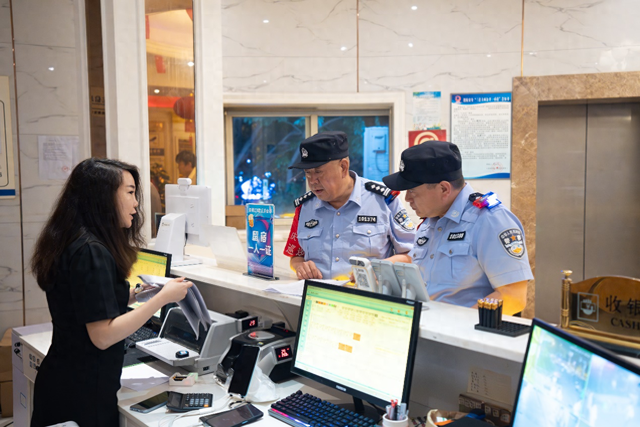
阳光下的守护|刷身份证即可登记入住 重庆渝中警方积极探索网约房智慧监管改革
Yang Shi Wang· 2025-08-20 10:14
Core Insights - The rise of "online rental housing" in Chongqing's Yuzhong District has led to a market scale of several hundred million yuan, with over 16,000 online rental units available [1] - Despite its popularity, the industry faces challenges such as inconsistent quality of housing, lack of regulations, and high rates of disputes and security risks [1] - In December 2024, Yuzhong District introduced the "Chongqing Yuzhong District Online Rental Housing Management Trial Measures," establishing a dynamic point-based management system for online rental operators [1][4] Regulatory Framework - The new regulations require online rental operators to report their listings through the "Yukuaiban" platform before publishing [1] - A verification system for housing source codes has been implemented to ensure authenticity before listings are made public [1][4] - The local police department is designated as the primary authority for managing online rental housing, with specific responsibilities outlined for various regulatory bodies [1] Management System - The "housing source code" system assigns default points and colors to rental units, with penalties for non-compliance leading to a reduction in points and potential delisting [4] - As of now, over 13,000 housing source codes have been issued, providing clarity on the management of online rental units [4] Technological Integration - The use of IoT technology has been emphasized to enhance guest registration processes, allowing for real-time monitoring and management of guest check-ins [7] - A smart management system has been implemented to alert authorities about potential issues, such as underage guests, improving response times to incidents [7]
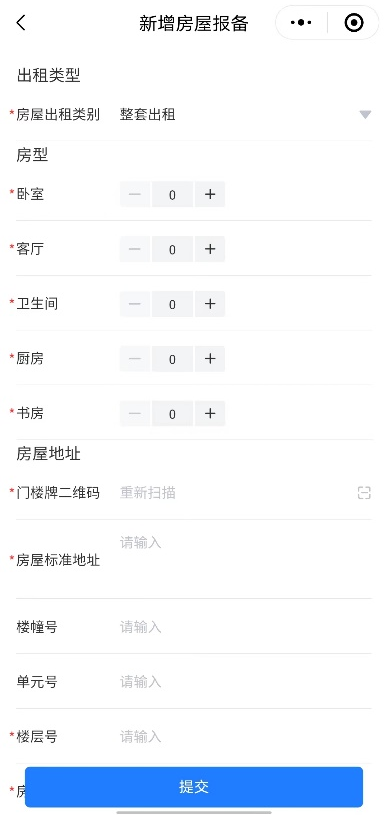
网约房违规“赋红码”强制下架,重庆渝中探索“一房一码”
Nan Fang Du Shi Bao· 2025-08-20 07:29
Core Viewpoint - The rapid growth of the online rental housing industry has led to significant economic contributions but also highlighted issues such as inconsistent quality, "one room sold multiple times," and security risks due to regulatory gaps [1][2] Group 1: Regulatory Developments - Chongqing Yuzhong District has taken the lead in regulating online rental housing by implementing the "Chongqing Yuzhong District Online Rental Housing Management Trial Measures," establishing clear regulatory responsibilities for relevant departments [1][2] - The district has introduced a "one room, one code" management mechanism, utilizing big data and IoT technologies to enhance oversight and accountability in the online rental housing sector [1][2] Group 2: Market Overview - Yuzhong District hosts over 16,000 online rental units, with more than 1,600 operators and around 6,000 employees, contributing to a market scale of several billion yuan [2] - The concentration of online rental properties near popular tourist attractions has created a high-density market, which has been challenging to regulate effectively [2][3] Group 3: Management Innovations - The introduction of a color-coded management system (green, blue, yellow, red) allows for real-time monitoring of operators' compliance, with penalties for violations leading to a reduction in complaints and security issues [2][3] - The implementation of smart locks and the "Lezhu Assistant" app has transformed the check-in process, requiring guests to verify their identity before accessing their rental units, thereby enhancing security [4][5] Group 4: Impact on Safety and Security - The adoption of smart locks has shifted the responsibility of guest registration from operators to guests, significantly reducing security risks associated with unauthorized access [5] - There has been a reported 33.8% decrease in police incidents related to online rental housing in the district this year, indicating improved safety and reduced disputes [5]
1.3万间网约房“持码上岗” 重庆渝中区破解网约房监管难题
Zhong Guo Xin Wen Wang· 2025-08-18 06:21
Core Viewpoint - The article discusses the innovative regulatory measures implemented in Chongqing's Yuzhong District to manage the burgeoning short-term rental market, addressing issues such as quality control, safety, and consumer protection. Group 1: Market Overview - Yuzhong District has over 16,000 short-term rental units and more than 1,600 operators, with a market scale reaching several hundred million yuan [1][3] - The district is home to popular tourist attractions, contributing to the rapid growth of the short-term rental industry [1] Group 2: Regulatory Challenges - The short-term rental market faces challenges such as inconsistent quality, lack of industry standards, and safety concerns, leading to frequent disputes and complaints [3][6] - Traditional hotel regulations do not apply to short-term rentals, creating regulatory gaps and difficulties in management [3] Group 3: Innovative Solutions - In December, Yuzhong District introduced the "Management Measures for Short-Term Rentals" to establish standards for operators and platforms, utilizing a "one house, one code" system for better oversight [3][4] - Over 13,000 unique rental codes have been issued, enhancing clarity in management [4] Group 4: Technology Integration - The district employs digital tools, including the "Chongqing Quick Service" app, to streamline the registration and management process for rental operators [6][7] - A color-coded point system is used to monitor compliance, with penalties for violations leading to potential removal from platforms [7] Group 5: Community Impact - Residents report improved management of short-term rentals, with fewer disputes between operators and local residents [8] - The implementation of the management measures has led to a 33.8% decrease in related police incidents, indicating a positive impact on community relations [9]
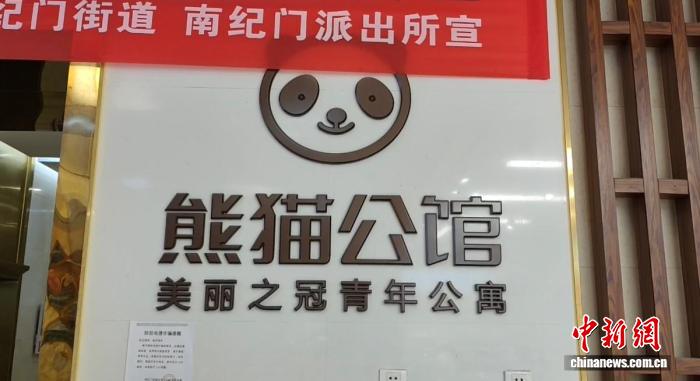
创新网约房治理模式
Zhong Guo Chan Ye Jing Ji Xin Xi Wang· 2025-06-13 23:07
Core Insights - The rise of online rental housing (网约房) has created a new accommodation model that is favored for its convenience and affordability, but it also faces significant regulatory challenges due to management loopholes [1][2][3] - The Chongqing Yuzhong District has implemented a "one house, one code" dynamic points management system to enhance the regulation and management of online rental housing, transitioning from operator-led guest registration to self-registration by guests [1][3] Group 1: Regulatory Challenges - Online rental housing operates in a regulatory blind spot, lacking proper registration and information upload mechanisms, which poses risks in areas such as fire safety and public security [2] - The rapid expansion of online rental housing has outpaced regulatory measures, leading to issues similar to those faced by the ride-hailing industry, where service advancements have not been matched by regulatory frameworks [1][2] Group 2: Governance Innovations - Effective governance measures have been explored in various regions, such as the implementation of real-name registration systems in Jiangsu Donghai, which aim to ensure compliance with regulations and enhance safety [2] - The Chongqing Yuzhong District's management approach includes a comprehensive digital management system that integrates reporting, coding, and monitoring processes to create a smart management service system for online rental housing [3] - The establishment of mechanisms for regular inspections, inter-departmental collaboration, community involvement, and tiered management is essential for improving social security and governance levels in the online rental housing sector [3]