美团买菜平台服务

Search documents
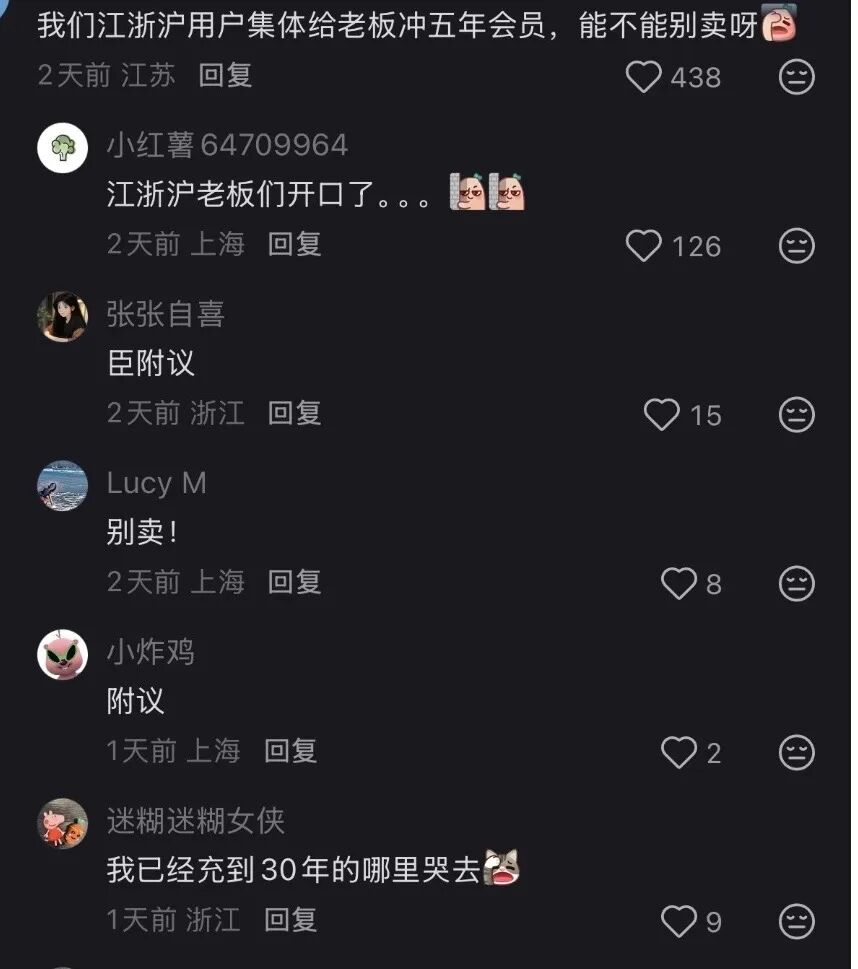
集体充会员的江浙沪,在抵制叮咚买菜被收购
3 6 Ke· 2026-02-10 04:22
Core Viewpoint - The acquisition of Dingdong Maicai by Meituan for approximately 7.17 billion USD (around 50 billion RMB) is a strategic move aimed at strengthening Meituan's position in the instant retail market, particularly in the Yangtze River Delta region, while raising concerns among users about the potential loss of Dingdong's unique brand identity and service quality [3][4][20]. Group 1: Acquisition Details - Meituan announced the acquisition of 100% equity of Dingdong Maicai's China business, which will become a wholly-owned subsidiary, with financial results incorporated into Meituan's reports [3]. - Dingdong Maicai has over 1,000 front warehouses and 7 million monthly purchasing users, with more than 80% of its business concentrated in the Yangtze River Delta, particularly Shanghai, where it holds over 30% market share [4]. - The acquisition is seen as a defensive strategy to fill gaps in Meituan's fresh food offerings and to counter competitors like Alibaba's Hema [6][19]. Group 2: User Concerns - Users express anxiety that Dingdong's unique product offerings and personalized services may be diminished within Meituan's ecosystem, similar to the fate of Mobike after its acquisition by Meituan [8][10]. - The emotional response from users reflects a deep attachment to Dingdong's brand identity, which they fear will be lost in the integration process [2][20]. - Concerns are amplified by past experiences where Meituan's acquisitions led to the erosion of brand uniqueness and operational independence [10][12]. Group 3: Market Implications - The acquisition is primarily viewed as a means to secure Meituan's position in the competitive landscape of the Yangtze River Delta, rather than a strategy for national expansion [16][19]. - Dingdong Maicai's growth has plateaued, with its GMV growth slowing significantly, indicating challenges in scaling its business model beyond its core markets [18]. - Analysts suggest that while the acquisition may enhance Meituan's operational efficiency in the fresh food sector, it is unlikely to facilitate significant nationwide expansion due to differing market dynamics in lower-tier cities [18][19].