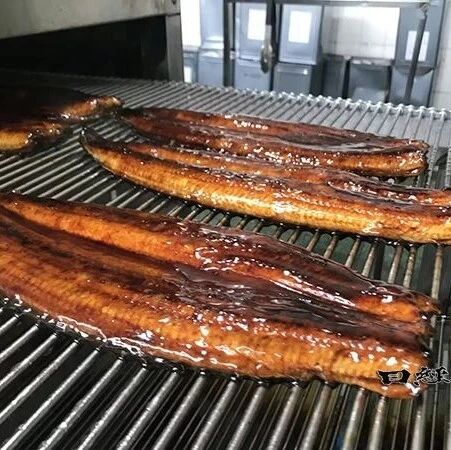
美洲鳗

Search documents
“美洲鳗”纳入国际管制,日本吃烤鳗鱼或涨价
3 6 Ke· 2026-01-11 02:40
Core Insights - Japan imports approximately 20,000 tons of unagi (grilled eel) annually, with 99% sourced from China, primarily processed from American eel raised from fry imported from the Dominican Republic and Haiti [2][3] - Starting January 2026, new international regulations will require export permits and certificates of origin for American eel trade, potentially complicating the supply chain and increasing retail prices in Japan [2][3] - The upcoming Convention on International Trade in Endangered Species (CITES) meeting on November 24 will discuss the inclusion of all eel species in Appendix II, which would require export permits for international trade [2] Industry Impact - If the import of American eel products faces disruptions, Japanese buyers may have to switch to more expensive domestic eel, which could lead to increased retail prices due to limited supply [4] - Retailers in Japan are already considering alternative sourcing strategies, including increasing the proportion of domestically sourced eel, in anticipation of potential delays in Chinese eel procurement [4]

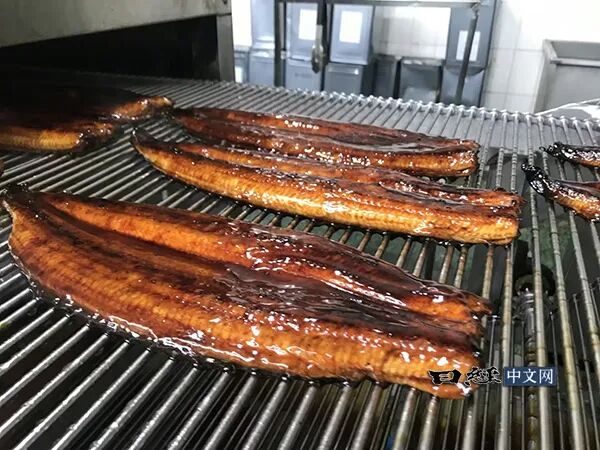
“美洲鳗”纳入国际管制,日本吃烤鳗鱼或涨价
日经中文网· 2026-01-11 00:33
Core Viewpoint - Japan heavily relies on China for its unagi (grilled eel) imports, particularly from processing plants in Guangdong, with 99% of the approximately 20,000 tons imported annually coming from China. New international regulations starting January 2026 will require export permits and certificates of origin for American eel, which may disrupt supply and increase retail prices in Japan [2][4][5]. Group 1 - Japan imports about 20,000 tons of grilled eel annually, with over 99% sourced from China [5]. - The retail price of American eel in Japan ranges from 1,000 to 1,300 yen (approximately 45.2 to 58.8 RMB), significantly lower than the domestic eel price of about 2,500 yen (approximately 113.1 RMB) [5]. - Starting January 2026, new regulations will require official certificates to prove the origin of American eel, potentially complicating the import process [4][5]. Group 2 - The upcoming meeting of the Convention on International Trade in Endangered Species (CITES) on November 24 will discuss the inclusion of all eel species in the need for export permits [4]. - Although the extinction risk for American eel is low, it has been placed in Appendix III of CITES for international cooperation to protect resources due to a request from the Dominican Republic [4]. - If the import of American eel encounters obstacles, Japanese buyers may have to switch to more expensive domestic eel, which could lead to increased retail prices due to limited supply [5].