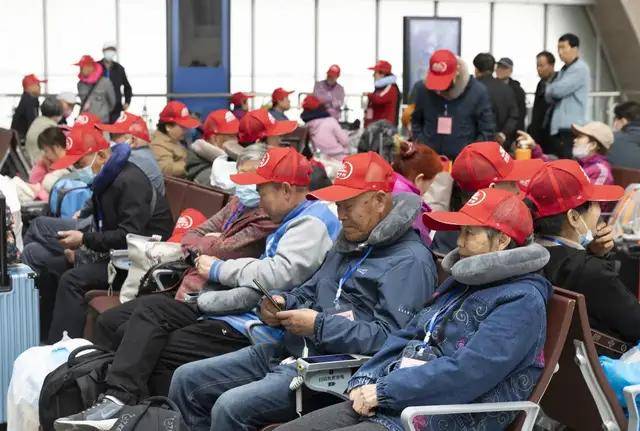
老年特惠团

Search documents
银发经济,步步是坑
Sou Hu Cai Jing· 2025-08-01 04:37
Core Insights - The "silver economy" in China, which targets the elderly population, is facing significant challenges and is often characterized as a "trap economy" rather than a thriving market [3][4][15] - Despite a large elderly population, the actual consumption power of this demographic is limited, with only 5% contribution to GDP and 12.5% to total consumption [4][5] - The elderly's consumption habits are heavily skewed towards low-cost options, reflecting a lack of financial resources and a tendency to prioritize tangible goods over services [10][11][14] Group 1: Demographics and Economic Impact - By 2024, the elderly population (60 years and older) in China is projected to reach 310 million, accounting for 22.1% of the total population [4] - The annual output value of the silver economy is estimated at 7 trillion yuan, but it represents only a small fraction of overall economic activity [4][15] - The average annual income for elderly individuals in 2021 was 32,027.4 yuan, with significant disparities between urban (47,270.8 yuan) and rural (14,105.4 yuan) populations [7][8] Group 2: Consumption Patterns - The elderly primarily focus their spending on healthcare and basic needs, with limited options for leisure and entertainment compared to younger demographics [4][5] - A significant portion of elderly consumers (over 60%) opts for low-cost travel packages, often priced below 200 yuan, indicating a strong price sensitivity [10][12] - The consumption behavior of the elderly is influenced by a historical context of scarcity, leading to a preference for physical goods over service-oriented experiences [13][14] Group 3: Market Dynamics - The silver economy is characterized by a high prevalence of low-quality products and services, often leading to exploitation of elderly consumers [11][15] - The disparity in income distribution among urban elderly highlights a structural issue in social security, with a small percentage of wealthy elderly individuals and a larger group living in relative poverty [8][9] - The current market for elderly services, such as nursing homes, shows low occupancy rates, indicating affordability issues despite high demand due to aging [9][10]