职业信用报告

Search documents
全国首份个人信用经济发展报告:个人信用迈向“自主管理”时代
Zhong Guo Jing Ying Bao· 2026-01-30 13:40
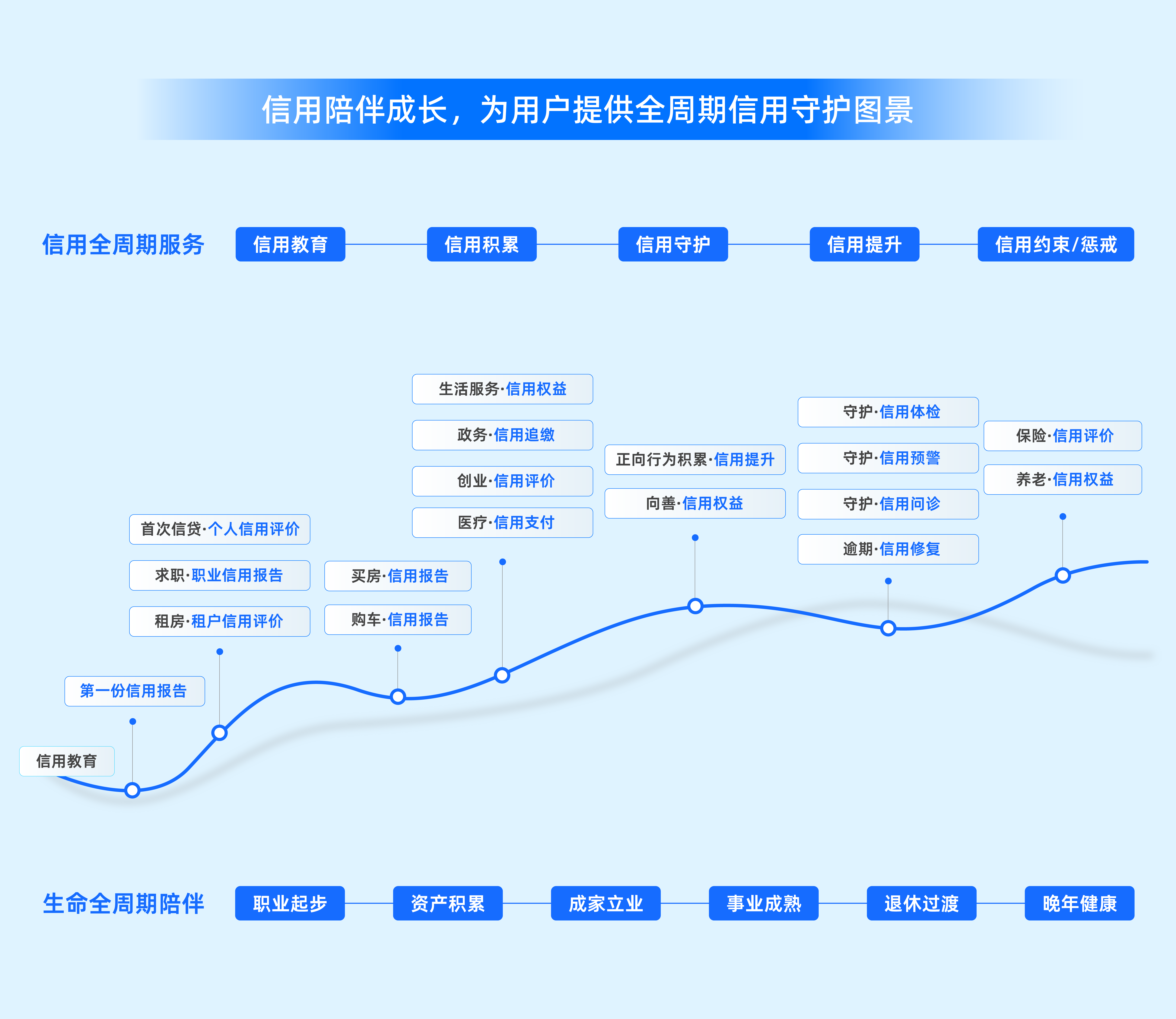
Core Insights - The personal credit industry in China is experiencing a historic development opportunity due to the accelerated release of data value, as highlighted in the "Personal Credit Economy Development Report" [1][2] - The report predicts that during the 14th Five-Year Plan period, the personal credit service market in China could generate annual revenues of 80 billion to 100 billion yuan [1] Group 1: Definition and Trends - The report defines the personal credit economy as a new economic form centered on personal credit data, involving a full-cycle credit service system that serves individuals, financial institutions, and business entities [2] - Three major trends in personal credit development are identified: moving from passive recording to active management, integrating long-term credit management with point-in-time credit consumption, and shifting from punitive measures to a positive cycle of incentives and education [2] Group 2: Service Models - The report proposes a "dual closed-loop" model for full-cycle personal credit management, which includes a "product closed-loop" covering various aspects of credit service and a "service closed-loop" that integrates credit services into key life scenarios [3] - This model is applicable to small and micro enterprises, enhancing their resilience by linking personal credit accounts to business risks [3] Group 3: Target Demographics - The personal credit economy aims to benefit four key demographics: individuals in credit distress, flexible employment groups, small business operators, and altruistic individuals [4] - A "professional credit report" solution is proposed to address the challenges faced by flexible employment groups, enabling quick background checks for employers and enhancing job seekers' credibility [4] Group 4: Market Practices - Zhejiang Province is leading the exploration of the personal credit economy, with Qiantang Credit becoming the first provincial-level public data and commercial data integration case in the credit service sector [5] - Future initiatives by Qiantang Credit will focus on credit protection and credit reporting, collaborating with financial institutions to launch a series of products [5]
从惩戒为主迈向提升激励!钱塘征信蓄力,将推两大信用新产品
Bei Jing Shang Bao· 2026-01-29 14:34
Core Viewpoint - The year 2026 is identified as the "Year of Data Element Value Release," marking a new phase in personal credit development in China, transitioning from traditional credit records to personal credit as a tangible asset that can save time and money [1][4]. Group 1: Personal Credit Economy Development - The report indicates a structural transformation in the personal credit service market, with the integration of public data and authorized operations expected to enhance the breadth and depth of credit services [4]. - The personal credit management services are anticipated to evolve from a punitive approach to a more comprehensive model that includes protection, repair, incentives, education, and constraints across various life scenarios such as employment, housing, and healthcare [2][5]. - The market for personal credit services in China is projected to generate annual revenues between 80 billion to 100 billion yuan during the 14th Five-Year Plan period, indicating significant growth potential [7]. Group 2: Solutions and Innovations - The report proposes a "Career Credit Report" solution that integrates job seekers' skills, qualifications, and historical performance records into credit assets, facilitating quicker background checks for employers [5]. - A dual-loop approach to personal credit management is suggested, encompassing a "product loop" that covers the entire credit service cycle and a "service loop" that spans an individual's life, starting from the age of 18 [6][7]. - The company plans to develop a product system that allows individuals to manage their credit actively and create detailed credit profiles tailored to various scenarios such as loans and employment [8]. Group 3: Market Comparison and Future Directions - The personal credit service industry in China is still in its early stages compared to the U.S. market, which has developed a diversified service model over 160 years, generating a mature market worth $20 billion [7]. - Future development in the personal credit service sector is expected to focus on creating user-friendly credit management products and detailed credit profiling that aligns with various financial and employment scenarios [9][10]. - The industry consensus emphasizes the need for a collaborative approach among government, platforms, credit companies, and operators to build a comprehensive and compliant personal credit economy [9].

失信人群、灵活就业者受益,全国首份报告解锁个人信用经济新赛道
第一财经· 2026-01-29 13:43
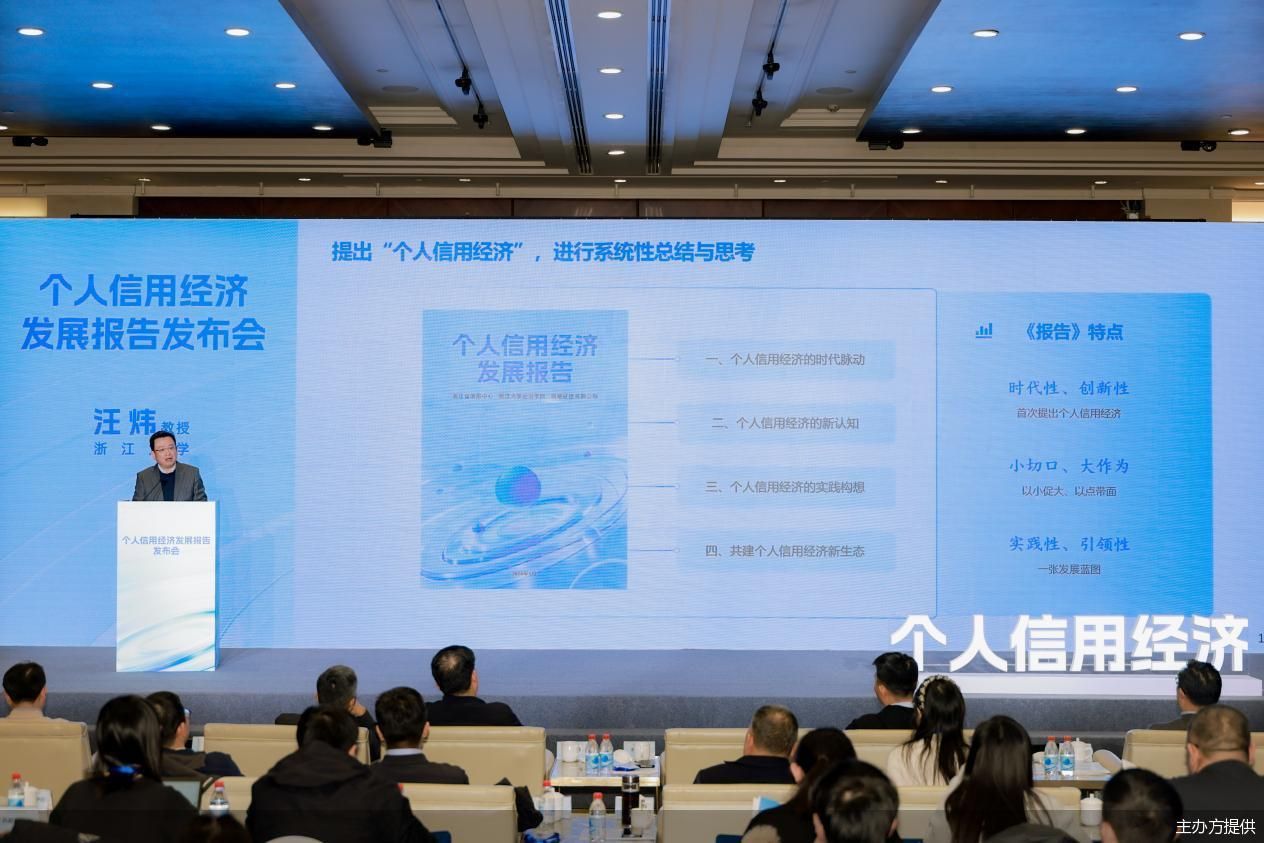
Core Viewpoint - The article discusses the emergence of the personal credit economy in China, defined as a new economic form centered on personal credit data, providing credit services to individuals, financial institutions, and business entities through compliant data circulation and diverse scenarios [1]. Group 1: Full-Cycle Personal Credit Services - The People's Bank of China announced a one-time credit repair policy for individuals affected by the pandemic, highlighting the growing public interest in personal credit maintenance [5]. - The report proposes a "dual closed-loop" model for full-cycle personal credit management services, encompassing product and service aspects, aimed at supporting individuals and small businesses [5]. Group 2: Importance of Personal Credit Construction - Personal credit construction is crucial for boosting individual consumption and promoting high-quality employment, particularly benefiting groups such as those with credit difficulties, flexible employment, small business owners, and altruistic individuals [6]. - The report suggests a "professional credit report" solution to streamline the employment process for flexible workers, integrating their skills and work history into a credit asset [6]. Group 3: Development Stages of Personal Credit in China - China's personal credit industry has evolved from a focus on credit records to the monetization of data, with significant growth in the number of individuals with credit records, reaching 1.16 billion by November 2025 [8]. - The establishment of market-oriented credit agencies since 2018 has diversified personal credit services, with over 700 million individuals' information recorded and more than 200 billion instances of credit product usage [9]. Group 4: Future Trends and Market Potential - The report anticipates a structural transformation in the personal credit service market, with a focus on proactive credit management and a shift from punitive measures to positive reinforcement and education [10]. - The annual revenue of the personal credit service industry in China has surpassed 10 billion, with projections suggesting it could reach 80 to 100 billion during the 14th Five-Year Plan period [10]. Group 5: Societal Impact of Personal Credit Economy - The growth of the personal credit economy signifies a reduction in societal trust costs and an increased recognition of individual credit value, which will enhance resource allocation, governance efficiency, and business operation effectiveness [11].

全国首份个人信用经济发展报告发布 骑手亦有信用方案
Xin Lang Cai Jing· 2026-01-29 13:37
Core Insights - The report highlights the emergence of a new economic model centered around personal credit, driven by the dual forces of government and market, with 2026 designated as the "Year of Data Element Value Release" [1][9] - The personal credit industry in China is poised for historic growth opportunities as the value of data elements accelerates [1] Group 1: Trends in Personal Credit Development - Personal credit is shifting from passive recording to active management [2] - There is a combination of long-term credit management with point-in-time credit consumption [2] - The focus is moving from punitive measures to a positive cycle of enhancement, education, and restoration [2] Group 2: Definition and Framework of Personal Credit Economy - The personal credit economy is defined as a new economic form that relies on personal credit data as a core production factor, with individuals as the rights holders [5] - It involves a dual system of credit service products and operations, providing services to individuals, financial institutions, and business entities [5] Group 3: Full-Cycle Personal Credit Management - The report proposes a "dual closed-loop" approach to personal credit management, including a "product closed-loop" that covers the entire credit service cycle [5][6] - The "service closed-loop" integrates credit services throughout an individual's life, from the generation of the first credit report at age 18 to various life scenarios [6] Group 4: Impact on Employment and Economic Structure - The personal credit economy is crucial for boosting personal consumption and promoting high-quality employment, especially during the transition of China's economic structure [8] - The report emphasizes the importance of addressing the needs of vulnerable groups, including flexible employment workers and small business owners [8] Group 5: Market Potential and Revenue Projections - The domestic personal credit service industry has surpassed 10 billion yuan in annual revenue, with projections of reaching 80 to 100 billion yuan during the 14th Five-Year Plan period [9] - Zhejiang province is leading the exploration of personal credit economy practices, with initiatives to integrate public and commercial data in credit services [9] Group 6: Societal Implications - The growth of the personal credit economy signifies a reduction in social trust costs and an era where personal credit value is recognized and respected [9] - This development is expected to optimize resource allocation, enhance governance efficiency, and improve business operation efficiency, fostering a positive cycle of credit value and social warmth [9]
公共数据价值释放 全国首份个人信用经济报告发布
Guo Ji Jin Rong Bao· 2026-01-29 12:48
Core Viewpoint - The report highlights the emergence of a new economic form centered around personal credit, driven by the dual forces of government and market, with 2026 designated as the year for the release of data element value [1] Group 1: Trends in Personal Credit Development - Personal credit is transitioning from passive recording to active management [5] - There is a combination of long-cycle credit management with point-in-time credit consumption [5] - The focus is shifting from punitive measures to a positive cycle of enhancement, education, and restoration [5] Group 2: Definition and Structure of Personal Credit Economy - The personal credit economy is defined as an emerging economic form that relies on personal credit data as a core production factor, with individuals as the rights holders [5] - It operates through a dual system of comprehensive credit service products and operations, providing services to individuals, financial institutions, and business entities [5] Group 3: Market Potential and Revenue Projections - The domestic personal credit service industry has surpassed 10 billion yuan in annual revenue [6] - The report forecasts that during the 14th Five-Year Plan period, the personal credit service market in China could generate annual revenues of 80 billion to 100 billion yuan [6] Group 4: Comprehensive Personal Credit Management Services - A new "dual closed-loop" approach for comprehensive personal credit management services is proposed, including a product closed-loop covering all aspects of credit service [8] - The service closed-loop aims to integrate credit services throughout an individual's life cycle, from the generation of the first credit report at age 18 to various life scenarios [8] Group 5: Target Beneficiaries of Personal Credit Services - The personal credit economy is designed to benefit four key groups: individuals in credit difficulties, flexible employment groups, small business operators, and "virtuous" individuals [10] - A "professional credit report" solution is proposed to address the challenges faced by flexible employment groups, facilitating background checks for employers and accelerating the onboarding process for job seekers [10]
失信人群、灵活就业者受益,全国首份报告解锁个人信用经济新赛道
Di Yi Cai Jing· 2026-01-29 11:29
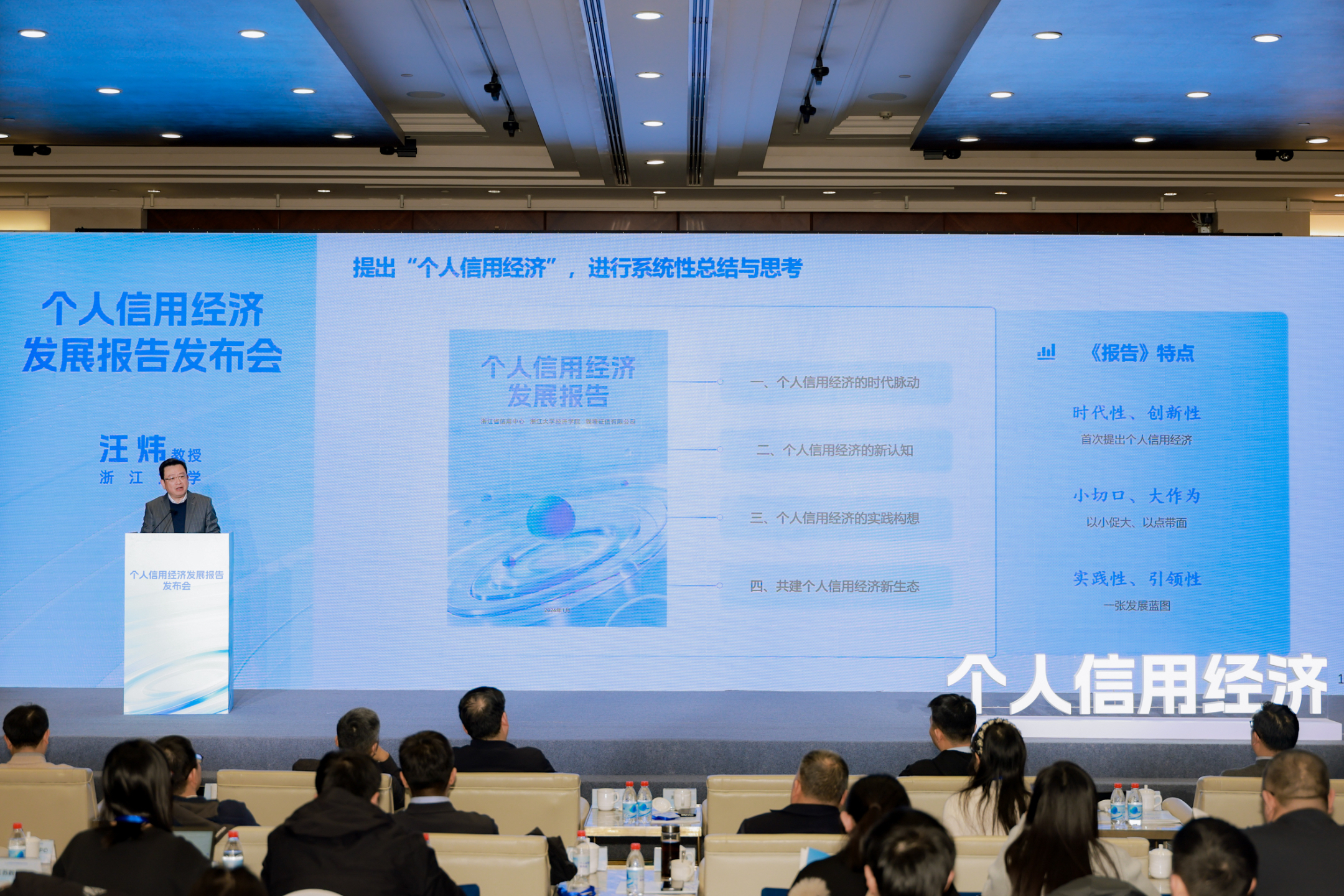
Core Insights - The report defines personal credit economy as a new economic form centered on personal credit data, providing credit services to individuals, financial institutions, and business entities through compliant data circulation and diverse application scenarios [1][10] Group 1: Target Demographics - The personal credit economy should primarily benefit four groups: individuals in credit distress, flexible employment groups, small business operators, and "virtuous" individuals [10][15] - There are over 100 million individuals in China with a history of bad credit records, highlighting the need for innovative credit repair mechanisms [10] Group 2: Credit Service Development - The report emphasizes the importance of a full-cycle personal credit management service, which includes credit protection, repair, incentives, education, and constraints [9][14] - As of November 2025, the financial credit information database has recorded 1.16 billion individuals, with approximately 810 million having credit records [12] Group 3: Industry Evolution - The personal credit industry in China has evolved from a focus on credit reporting to a broader application of credit data, with over 700 million personal information subjects recorded by market-oriented credit agencies [13][14] - The annual revenue of the domestic personal credit service industry has exceeded 10 billion yuan, with projections suggesting it could reach 80 to 100 billion yuan during the 14th Five-Year Plan period [14] Group 4: Future Trends - The report identifies three major trends in personal credit development: a shift from passive recording to active management, integration of long-term credit management with short-term credit consumption, and a transition from punitive measures to positive reinforcement and education [14][15] - The growth of the personal credit economy is expected to lower social trust costs and enhance the visibility and respect for individual credit value, leading to improved resource allocation and social governance efficiency [15]