
个人信用报告

Search documents
全国首份个人信用经济发展报告:个人信用迈向“自主管理”时代
Zhong Guo Jing Ying Bao· 2026-01-30 13:40
Core Insights - The personal credit industry in China is experiencing a historic development opportunity due to the accelerated release of data value, as highlighted in the "Personal Credit Economy Development Report" [1][2] - The report predicts that during the 14th Five-Year Plan period, the personal credit service market in China could generate annual revenues of 80 billion to 100 billion yuan [1] Group 1: Definition and Trends - The report defines the personal credit economy as a new economic form centered on personal credit data, involving a full-cycle credit service system that serves individuals, financial institutions, and business entities [2] - Three major trends in personal credit development are identified: moving from passive recording to active management, integrating long-term credit management with point-in-time credit consumption, and shifting from punitive measures to a positive cycle of incentives and education [2] Group 2: Service Models - The report proposes a "dual closed-loop" model for full-cycle personal credit management, which includes a "product closed-loop" covering various aspects of credit service and a "service closed-loop" that integrates credit services into key life scenarios [3] - This model is applicable to small and micro enterprises, enhancing their resilience by linking personal credit accounts to business risks [3] Group 3: Target Demographics - The personal credit economy aims to benefit four key demographics: individuals in credit distress, flexible employment groups, small business operators, and altruistic individuals [4] - A "professional credit report" solution is proposed to address the challenges faced by flexible employment groups, enabling quick background checks for employers and enhancing job seekers' credibility [4] Group 4: Market Practices - Zhejiang Province is leading the exploration of the personal credit economy, with Qiantang Credit becoming the first provincial-level public data and commercial data integration case in the credit service sector [5] - Future initiatives by Qiantang Credit will focus on credit protection and credit reporting, collaborating with financial institutions to launch a series of products [5]
失信人群、灵活就业者受益,全国首份报告解锁个人信用经济新赛道
Di Yi Cai Jing· 2026-01-29 11:29
Core Insights - The report defines personal credit economy as a new economic form centered on personal credit data, providing credit services to individuals, financial institutions, and business entities through compliant data circulation and diverse application scenarios [1][10] Group 1: Target Demographics - The personal credit economy should primarily benefit four groups: individuals in credit distress, flexible employment groups, small business operators, and "virtuous" individuals [10][15] - There are over 100 million individuals in China with a history of bad credit records, highlighting the need for innovative credit repair mechanisms [10] Group 2: Credit Service Development - The report emphasizes the importance of a full-cycle personal credit management service, which includes credit protection, repair, incentives, education, and constraints [9][14] - As of November 2025, the financial credit information database has recorded 1.16 billion individuals, with approximately 810 million having credit records [12] Group 3: Industry Evolution - The personal credit industry in China has evolved from a focus on credit reporting to a broader application of credit data, with over 700 million personal information subjects recorded by market-oriented credit agencies [13][14] - The annual revenue of the domestic personal credit service industry has exceeded 10 billion yuan, with projections suggesting it could reach 80 to 100 billion yuan during the 14th Five-Year Plan period [14] Group 4: Future Trends - The report identifies three major trends in personal credit development: a shift from passive recording to active management, integration of long-term credit management with short-term credit consumption, and a transition from punitive measures to positive reinforcement and education [14][15] - The growth of the personal credit economy is expected to lower social trust costs and enhance the visibility and respect for individual credit value, leading to improved resource allocation and social governance efficiency [15]

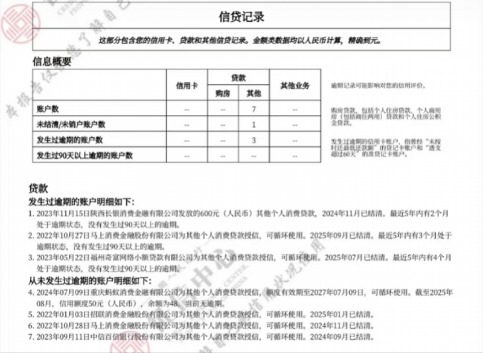
一次性信用修复政策落地!网友晒出“对比图”
Xin Hua She· 2026-01-07 23:49
Core Viewpoint - The implementation of a one-time credit repair policy by the People's Bank of China allows for the removal of certain overdue records from personal credit reports, significantly impacting individuals' ability to secure loans [1][2]. Group 1: Policy Details - The credit repair policy was announced in December 2022 and will take effect on January 1, 2026, allowing overdue information from January 1, 2020, to December 31, 2025, to be removed if the overdue amount is less than 10,000 yuan and the debt is fully repaid by March 31, 2026 [1][2][4]. - Individuals who repay their overdue debts will see their credit reports updated to reflect normal repayment status by the end of the month following the repayment [3]. Group 2: Public Response and Impact - Many individuals have already begun to repay their debts in anticipation of the policy, with some reporting successful updates to their credit reports, enabling them to apply for loans [2][3]. - There is a three-month grace period for individuals to clear their overdue debts, which has prompted some to seek funds to settle their accounts [4]. Group 3: Precautions and Recommendations - Financial institutions are advised to ensure accurate reporting of repayment information to the credit system and to provide easy access for customers to check their credit reports [6]. - Experts warn borrowers to be cautious of fraudulent intermediaries offering debt restructuring services and to maintain good credit practices [5].
一次性信用修复政策落地,你的信用报告更新了吗?
Sou Hu Cai Jing· 2026-01-07 11:58
Core Viewpoint - The implementation of a one-time credit repair policy by the People's Bank of China allows for the removal of certain overdue records from personal credit reports, significantly impacting individuals' ability to secure loans [1][2]. Group 1: Policy Details - The credit repair policy was announced in December 2022 and will take effect on January 1, 2026, allowing overdue information from January 1, 2020, to December 31, 2025, to be removed if the overdue amount is less than 10,000 yuan and the debt is fully repaid by March 31, 2026 [1][5]. - Individuals who repay their overdue debts can expect their credit reports to reflect this change by the end of the following month [3]. Group 2: Public Response and Impact - Many individuals have already begun to repay their debts in anticipation of the policy, with some reporting successful updates to their credit reports, which now show no overdue records [2][3]. - There is a concern among some individuals who have not yet repaid their debts about whether they will still have the opportunity to benefit from the credit repair policy [4]. Group 3: Financial Institutions' Role - Financial institutions are preparing to facilitate the process for customers, ensuring that credit report queries can be easily conducted through various channels, including online banking and mobile applications [7]. - Banks are advised to confirm repayment amounts with borrowers and to be vigilant about potential delays in payment processing that could affect the application of the policy [8]. Group 4: Consumer Protection - There are warnings about fraudulent intermediaries offering debt restructuring services, urging consumers to remain cautious and avoid falling into debt traps [7]. - The People's Bank of China has established a mechanism for public inquiries regarding credit report issues, ensuring that concerns can be addressed within 30 days [9].
1月4日|政策法规通:央行发布一次性信用修复政策
Xin Lang Cai Jing· 2026-01-04 11:30
Core Viewpoint - The People's Bank of China (PBOC) has announced a one-time credit repair policy aimed at helping individuals with damaged credit who are actively repaying their debts, effective from December 22, 2025 [1][9]. Summary by Relevant Sections Policy Details - The policy applies to personal overdue information generated between January 1, 2020, and December 31, 2025, for amounts not exceeding 10,000 yuan per instance. Individuals who fully repay their overdue debts by March 31, 2026, will have this information not displayed in the credit report [3][7]. - Specifically, if debts are repaid by November 30, 2025, the overdue information will not be displayed from January 1, 2026. For repayments made between December 1, 2025, and March 31, 2026, the information will be updated by the end of the following month [3][7]. Eligibility Criteria - The policy is limited to individuals with overdue information in the PBOC credit system, applicable only to overdue information generated within the specified time frame and amount [3][7]. - The policy does not differentiate between types of loans, including credit cards, mortgages, and consumer loans, as long as the conditions are met [3][7]. Implementation Measures - The PBOC has established three supporting measures to ensure smooth implementation: 1. An "automatic recognition" system will identify eligible overdue information without requiring individuals to apply or submit documentation [4][8]. 2. A three-month grace period is set for individuals to repay their debts, extending until March 31, 2026, considering holiday factors [4][8]. 3. An additional two free credit report inquiries will be provided in the first half of 2026, on top of the existing two free inquiries per year [4][8]. Impact on Credit Reports - Following the implementation of the policy, eligible overdue information will have its "repayment status" changed from overdue to normal, and overdue amounts below 10,000 yuan will be adjusted to zero in the credit report [5][8].

多地借款人晒征信报告截图:“逾期记录没有了”
财联社· 2026-01-03 06:27
Core Viewpoint - The People's Bank of China has introduced a one-time credit repair policy that allows eligible individuals to have overdue information removed from their credit reports without needing to apply or take action, thereby facilitating the restoration of credit for those who have been affected by non-subjective factors such as unemployment or illness since 2020 [1][5]. Summary by Sections Policy Implementation and Public Reaction - Many users on social media reported that their credit reports were successfully repaired as of January 1, 2026, expressing happiness about the rapid implementation of the policy [2]. - Individuals shared their experiences, with some stating that overdue records had been removed, highlighting the effectiveness of the new policy [2]. Eligibility Criteria for Credit Repair - The one-time credit repair policy has four eligibility criteria: 1. It applies only to personal credit overdue information displayed in the financial credit information database of the People's Bank of China. 2. The overdue information must have occurred between January 1, 2020, and December 31, 2025. 3. The overdue amount must not exceed 10,000 yuan for a single instance. 4. Individuals must fully repay their overdue debts by March 31, 2026, to qualify for the removal of overdue information [3]. Changes in Display of Overdue Information - The display of overdue information will change based on the timing of debt repayment: 1. If debts were fully repaid by November 30, 2025, the overdue information will not be displayed starting January 1, 2026. 2. If debts are repaid between December 1, 2025, and March 31, 2026, the information will be updated to reflect normal repayment status by the end of the following month [4]. - The policy operates on an "automatic recognition" basis, meaning individuals do not need to apply or submit documentation for the repair process [4]. Expert Commentary - Experts emphasize that the credit repair policy is designed to assist those who are not malicious defaulters but have faced genuine hardships, providing them with a chance to rectify their credit status [5]. - The policy is not a means to simply erase bad credit records but is a structured process aimed at educating and aiding those who have made efforts to correct their financial situations [5].

明日起生效!个人信用一次性修复,这些要点要掌握
Nan Fang Du Shi Bao· 2025-12-31 07:04
Core Viewpoint - The People's Bank of China will implement a one-time credit repair policy starting January 1, 2026, which will remove certain overdue information from credit reports for individuals who have fully repaid their debts by specified deadlines [1]. Group 1: Policy Details - The policy applies to overdue information for individuals who have fully repaid qualifying debts by November 30, 2025, and will not display such information in the credit system [1]. - Individuals who repay qualifying overdue debts between December 1, 2025, and March 31, 2026, will have their overdue information not displayed by the end of the following month [1]. - The policy is applicable to various types of loans, including credit cards, housing loans, and consumer loans, without distinguishing between loan institutions [2]. Group 2: Eligibility Criteria - To qualify for the credit repair, individuals must have overdue amounts not exceeding 10,000 RMB for any single overdue instance between January 1, 2020, and December 31, 2025 [2]. - Full repayment of overdue debts must be completed by March 31, 2026, to ensure the overdue information is not displayed [9]. Group 3: Operational Guidelines - The policy does not require any fees or third-party agents; individuals who meet the criteria and have settled their overdue debts do not need to submit any application or documentation [6]. - The People's Bank of China will automatically adjust the credit records based on the repayment status of individuals [7]. Group 4: Impact on Credit Reports - Individuals can check their credit reports through various channels, including mobile banking apps and online platforms, to confirm if their overdue information has been adjusted [4][18]. - The credit report will reflect changes based on the policy, with possible scenarios including complete removal of overdue information or a reduction in the number of overdue accounts [11][14]. Group 5: Additional Information - The retention period for negative credit information is five years, after which it will not appear in credit reports [5]. - Individuals can access their credit reports for free twice a year, with an additional two free queries available in the first half of 2026 due to increased demand following the policy implementation [18].
不明白一次性信用修复政策?适用对象、时间、金额一图读懂→
Xin Lang Cai Jing· 2025-12-25 04:04
Core Viewpoint - The People's Bank of China has introduced a one-time credit repair policy that allows eligible individuals with overdue credit information to have it removed from their credit reports without needing to apply or provide documentation, effective from January 1, 2026 [1][2]. Group 1: Policy Details - The policy applies to individuals with overdue credit information recorded in the People's Bank of China's credit system, specifically for overdue information generated between January 1, 2020, and December 31, 2025 [1]. - The overdue amount must not exceed 10,000 yuan for each instance, and individuals must fully repay their overdue debts by March 31, 2026, to qualify for the removal of the overdue information from their credit reports [1]. - The credit repair process will be automatic, with the People's Bank of China identifying and processing eligible overdue information starting January 1, 2026 [1]. Group 2: Public Awareness and Fraud Prevention - The People's Bank of China emphasizes that the one-time credit repair policy is free of charge and does not require third-party agents; any solicitation for money or information under this policy is considered fraudulent [2]. - Individuals are encouraged to report any suspicious activities related to this policy to the People's Bank of China or local law enforcement [2].
【行业动态】中国人民银行发布一次性信用修复政策 “免申即享”,助力个人重塑信用
Sou Hu Cai Jing· 2025-12-23 18:28
Core Viewpoint - The People's Bank of China has announced a one-time credit repair policy aimed at supporting individuals with damaged credit who are actively repaying their debts, allowing certain overdue information to be excluded from personal credit reports [1][3]. Group 1: Policy Details - The policy applies to overdue information from January 1, 2020, to December 31, 2025, for individual overdue amounts not exceeding 10,000 yuan, provided that debts are fully repaid by March 31, 2026 [3]. - If individuals repay their overdue debts by November 30, 2025, the overdue information will not be displayed from January 1, 2026; if repaid between December 1, 2025, and March 31, 2026, the information will be updated to reflect normal repayment status by the end of the following month [3][4]. - The policy does not differentiate between types of loans, such as credit cards, mortgages, or consumer loans, as long as the relevant conditions are met [3][4]. Group 2: Implementation Measures - The People's Bank of China has introduced three measures to ensure the policy is effectively communicated and reaches eligible individuals [6]. - A three-month grace period has been established, allowing individuals to repay overdue debts within this timeframe to qualify for the policy, extending to after the Spring Festival until March 31, 2026 [6]. - An additional two free credit report inquiries will be provided in the first half of 2026 to accommodate increased demand for credit report checks following the policy's implementation [6]. Group 3: Changes in Credit Reporting - The retention period for overdue information in the credit reporting system is five years, after which it will no longer be displayed [8]. - Following the policy's implementation, the "repayment status" for eligible overdue information will change from overdue to normal, and the overdue amount will be adjusted from a non-zero value to zero [8].

卸下“包袱”!个人信用修复助力轻装前行
Xin Lang Cai Jing· 2025-12-23 10:48
Core Viewpoint - The People's Bank of China has introduced a one-time credit repair policy to help individuals efficiently restore their credit by removing certain overdue information from personal credit reports, thereby alleviating financial burdens and facilitating smoother economic activities [1][2]. Group 1: Policy Introduction - The credit repair policy aims to assist individuals who have experienced overdue debts due to uncontrollable factors like the COVID-19 pandemic, allowing them to restore their credit records after full repayment [2][3]. - The policy will take effect on January 1, 2026, and will automatically adjust overdue records based on repayment status, ensuring that qualifying overdue information will not appear in personal credit reports [2][3]. Group 2: Eligibility Criteria - The policy specifies three conditions for eligibility: overdue information must have occurred between January 1, 2020, and December 31, 2025; the overdue amount must not exceed 10,000 yuan; and the overdue debt must be fully repaid by March 31, 2026 [3]. Group 3: Policy Features - The policy emphasizes convenience with an "automatic enjoyment" feature, meaning individuals do not need to apply or visit branches; the credit system will automatically identify and process qualifying overdue information [4]. - As a supportive measure, the People's Bank of China will increase the number of free annual credit report queries from two to four, allowing individuals to verify their credit status without incurring costs [4]. - A three-month grace period is provided for individuals to settle their overdue debts, extending the deadline for repayment to March 31, 2026, which allows more individuals to benefit from the policy [4]. Group 4: Enforcement of Credit Integrity - The one-time nature of the policy reflects a strict enforcement of credit integrity, ensuring that individuals with outstanding debts are not eligible for credit repair, thus maintaining fairness in the credit system [5]. - Industry experts note that the policy does not weaken credit constraints but rather enhances the credit system's effectiveness while promoting inclusive financial development and improving access to financing for individuals [5]. Group 5: Overall Impact - The timely repair of personal credit is expected to strengthen the credit foundation, providing better support for individual development and economic participation [6].