肥牛肉片

Search documents
黑龙江省大兴安岭地区行署市场监督管理局2026年第1期食品安全监督抽检情况通告
Zhong Guo Zhi Liang Xin Wen Wang· 2026-02-25 06:45
Core Viewpoint - The Daxing'anling region's market supervision administration conducted a food safety inspection during the winter tourism season, ensuring that all sampled food products met safety standards [1][2]. Group 1: Inspection Overview - A total of 35 batches of food products were inspected, covering 16 categories including agricultural products, beverages, frozen foods, and more [2]. - All samples tested were found to be compliant with safety standards, indicating a successful inspection initiative [2]. Group 2: Sample Details - The inspection included various food items such as: - Red bean bread from Hebei Lema Food Co., Ltd. [3] - Thick egg Shaqima from Yibaili (Linyi) Food Co., Ltd. [3] - Fresh rice cakes from Liaoning Little Prince Food Co., Ltd. [3] - Various other products including dairy, meat, and beverages from multiple manufacturers [4].

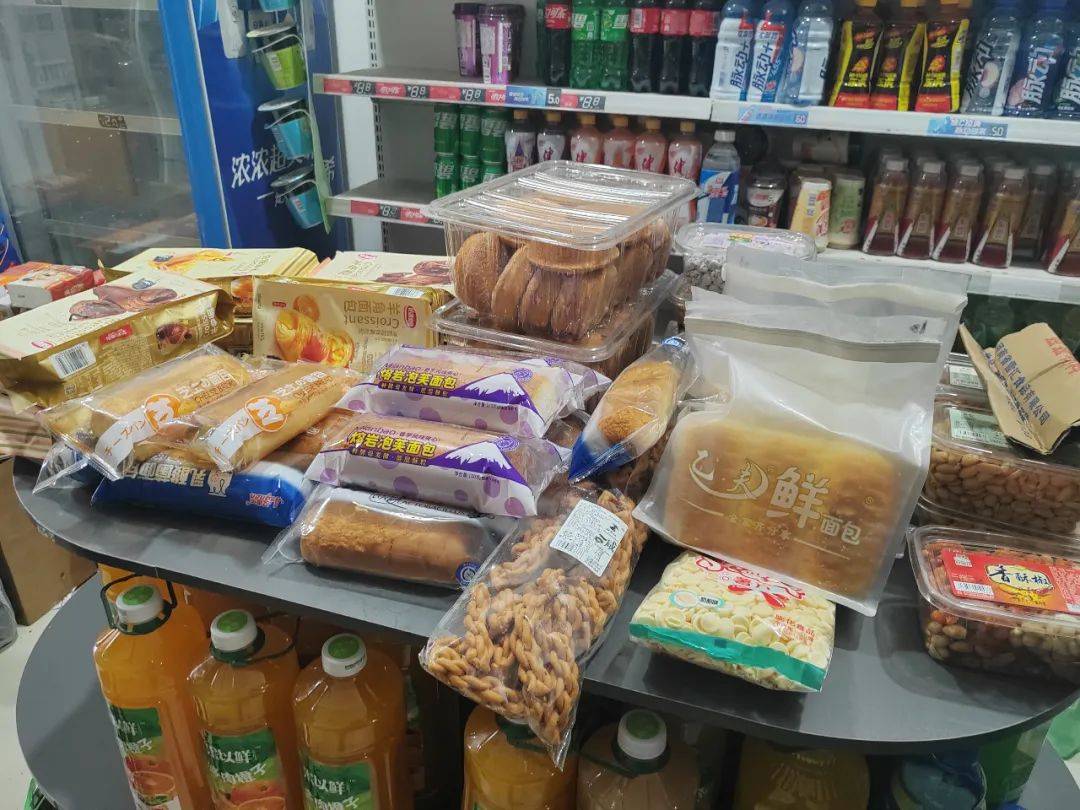
当面包过期两天
Hu Xiu· 2025-05-19 05:38
Core Points - The article discusses the challenges faced by small shop owners in complying with food safety regulations and the implications of selling expired products [1][2][3] - It highlights the leniency shown by regulatory authorities towards first-time offenders under certain conditions, reflecting a shift in enforcement practices [20][21] Group 1: Case of Zhang Junxian - Zhang Junxian, a 63-year-old shop owner, faced an investigation for selling expired bread, which was reported by a customer [3][4] - The expired bread had a net weight of 80 grams, with a purchase price of 7.5 yuan and a selling price of 8 yuan, indicating the small profit margins typical for small retailers [4][6] - The investigation revealed that Zhang had not properly checked the expiration date due to oversight, which is a common issue among small shop owners [6][8] Group 2: Regulatory Environment - The current Food Safety Law, enacted in 2009 and revised in 2015, emphasizes strict enforcement and penalties for violations, aiming to maintain food safety standards [7][8] - Regulatory officials, while tasked with enforcing the law, often express empathy towards small business owners, recognizing the difficulties they face [8][15] - The recent introduction of a "first violation no penalty" policy allows for leniency in cases where the violation is minor and the offender is cooperative [20][21] Group 3: Broader Implications - The article also touches on the issue of "professional claimants" who exploit food safety regulations for financial gain, complicating the landscape for small retailers [16][19] - The case of another shop owner, Gan Aixia, illustrates the challenges faced by small businesses in maintaining compliance, especially when unexpected hardships arise [10][15] - The regulatory approach is evolving, with discussions around providing more support and understanding for small business owners, reflecting a balance between enforcement and compassion [21][22]