能碳管理平台系统

Search documents
零碳园区引领绿色变革风尚
中国能源报· 2025-11-30 23:33
Core Viewpoint - The article emphasizes the strategic importance of developing zero-carbon industrial parks in China as a key initiative for achieving green transformation and carbon neutrality goals during the "14th Five-Year Plan" period, with a target of establishing approximately 100 national-level zero-carbon parks [1][3]. Group 1: National and Local Initiatives - The 20th National Congress of the Communist Party of China calls for accelerating the formation of green production and lifestyle, with a focus on ecological environment management and industrial layout optimization [3]. - Various regions are actively constructing zero-carbon parks, leveraging local resources and clean energy advantages, such as Inner Mongolia and Qinghai focusing on low-cost energy supply, while coastal areas like Jiangsu and Guangdong emphasize digitalization and smart manufacturing [3][5]. - The establishment of zero-carbon parks is seen as a critical step in transitioning to a low-carbon economy, with local governments implementing supportive policies to attract businesses and investments [5][7]. Group 2: Economic and Competitive Implications - The shift towards zero-carbon parks is driven by the need for industries to adapt to global green trade barriers and the increasing competitiveness of low-carbon products in international markets [8]. - Zero-carbon parks are expected to create high-quality green jobs and attract low-carbon industries, enhancing overall economic competitiveness [7][8]. - The integration of renewable energy technologies and energy management systems in these parks is projected to significantly improve energy efficiency and reduce carbon emissions [8]. Group 3: Challenges and Solutions - Despite the enthusiasm for zero-carbon park development, challenges such as the lack of strong implementation bodies and the need for a coordinated approach among stakeholders are highlighted [10]. - Key difficulties include standardization issues, cost-benefit analysis, and resource supply constraints, which need to be addressed to ensure effective implementation [10][11]. - The article suggests that innovative financing mechanisms and the establishment of specialized funds could support the development of integrated energy solutions within zero-carbon parks [14]. Group 4: Future Outlook - The article envisions that the proliferation of zero-carbon parks across China will contribute to high-quality economic development and provide a model for global low-carbon transitions [15].


场馆内外多维发力 确保十五运会赛事运行顺畅
Yang Guang Wang· 2025-11-12 01:27
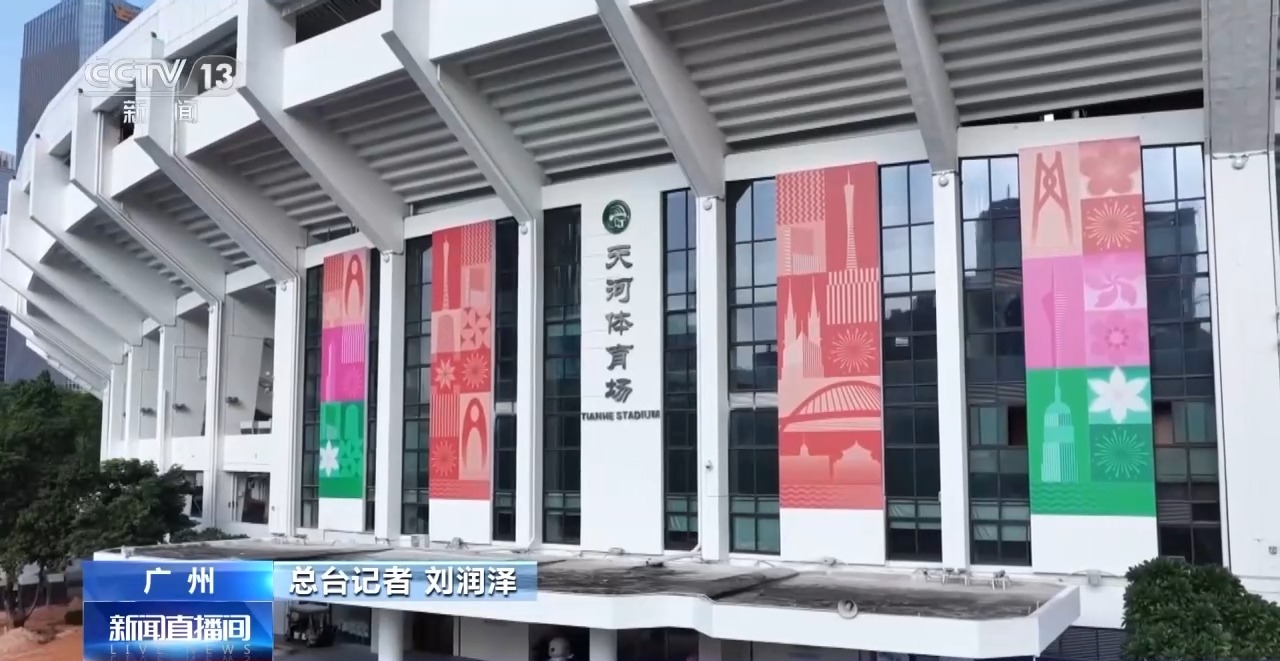
Group 1 - The 15th National Games is being held in Guangdong, Hong Kong, and Macau, with 105 venues ensuring smooth operation through various measures such as medical services, emergency power supply, and smart monitoring systems [1] - This edition of the National Games is the first to adopt a "carbon neutrality" theme, with a "waste-free" concept integrated throughout the event, utilizing digital technology for precise energy management at key venues like the Guangzhou Tianhe Sports Center [1] - The energy management platform at the Guangzhou Tianhe Sports Center monitors real-time data on electricity, water usage, carbon emissions, and environmental parameters, providing alerts for abnormal energy consumption [1] Group 2 - A medical command center has been established in the Guangzhou competition area to coordinate medical support across venues during the event [2] - The medical support system includes a "mobile grid emergency rescue team" within venues, along with external hospitals and various emergency response groups, creating a comprehensive support network [2]
视频丨记者探访十五运会赛事场馆 解锁“绿色密码”
Yang Shi Xin Wen Ke Hu Duan· 2025-11-07 06:38
Core Viewpoint - The 15th National Games will be the first "carbon-neutral" event in history, with 89 venues in Guangdong already delivered, showcasing innovative "green" technologies [1] Group 1: Zero Carbon Venues - The Guangzhou University Town Sports Center climbing venue is highlighted as the first zero-carbon sports venue in China, featuring designs that allow it to generate its own power and save costs [2][4] - The Tianhe Sports Center has undergone renovations that incorporate energy-efficient materials and systems, achieving a carbon reduction rate of 56.9% [5][9] Group 2: Environmental Technologies - The renovation of Tianhe Sports Center includes high-efficiency direct current variable frequency air conditioning systems, which can further reduce energy consumption by 11% to 23% compared to energy-saving standards [9] - The use of heat-insulating aluminum alloy window frames and low-radiation hollow glass significantly reduces indoor air conditioning load by reflecting solar radiation [10] Group 3: Sustainable Practices - The "zero waste" concept is integrated throughout the venue renovations, ensuring that the green initiatives extend beyond the event itself, transforming venues into community fitness spaces post-Games [11] - The development of a prefabricated rubber track system emphasizes low carbon and zero waste through a closed-loop production and recycling process [12] Group 4: Digital Management - Digital technologies are employed for precise energy consumption management, with real-time monitoring of electricity, water usage, and carbon emissions at Tianhe Sports Center [15] - The energy management platform can issue alerts for abnormal energy consumption, enhancing operational efficiency [17] Group 5: Green Planning - Prior to the event, the Guangdong environmental department prioritized the use of recyclable materials in venue construction and promoted green procurement practices [19] - Initiatives during the event include minimizing solid waste and establishing a recycling system for recoverable materials, with a focus on post-event resource reuse [21]