
AI电力系统

Search documents
能源“诺贝尔奖”首次颁给中国企业家
高工锂电· 2026-02-13 13:13
Core Viewpoint - Zhang Lei, Chairman of Envision Group, received the 2026 President's Award from the Energy Institute, recognizing his leadership in global energy transition and marking a significant acknowledgment of Chinese renewable energy on the world stage [1][2]. Group 1: Award Significance - Zhang Lei is the first entrepreneur to receive this award since its establishment in 2022, which is considered the highest honor in the energy sector, akin to a "Nobel Prize" for energy transition [2]. - The award aims to honor individuals who have significantly changed the global energy landscape, with previous recipients including former U.S. Secretary of State John Kerry for his role in the Paris Agreement [3]. Group 2: Envision Group's Contributions - Under Zhang Lei's leadership, Envision has developed a leading AI power system that provides scalable solutions for global energy transition and addresses climate challenges [3]. - Envision's innovations include smart wind turbines, AI power systems, and advanced green hydrogen technologies, contributing to the development of zero-carbon industrial parks [9]. Group 3: Renewable Energy Impact - China has driven down the costs of wind and solar energy by 90% through large-scale innovation, making renewable energy the most competitive and accessible form of energy [6][12]. - The lithium battery industry, as part of China's contributions to the world, supports low-carbon transitions in transportation and power sectors, becoming a key engine for global green industrial revival [7]. Group 4: Future Energy Vision - Zhang Lei emphasizes the need for a future energy system that is sustainable, intelligent, and inclusive, addressing the dual challenges of increasing energy demand and climate crises [5][12]. - The vision includes a shift from competing for scarce resources to collaboratively developing unlimited natural energy, marking the end of the fossil fuel era and the rise of a new, prosperous civilization [15].


远景张雷获国际能源界顶级殊荣:为文明打造未来能源底座
Sou Hu Cai Jing· 2026-02-13 08:55
Group 1 - The President's Award for 2026 was awarded to Zhang Lei, Chairman of Envision Group, recognizing his exceptional leadership and transformative contributions to global energy transition [1][3] - Zhang Lei is the first entrepreneur to receive this prestigious award, highlighting the global recognition of China's "civilization-level" output in renewable energy [1] - The award is the highest honor given by the Energy Institute, established in 2022, aimed at acknowledging key figures who are changing the global energy landscape [1][3] Group 2 - During the London International Energy Week, the Energy Institute's Chairman, Andy Brown, praised Zhang Lei for his vision and leadership, stating that Envision has provided scalable solutions for global energy transition and climate challenges [3] - Envision has led several innovative renewable energy system developments, including smart wind turbines, energy storage, AI power systems, and green hydrogen technology [5] - The company is committed to addressing challenges for a sustainable future and is actively promoting deep decarbonization across various economies in Asia, Europe, the Middle East, and the Americas [5] Group 3 - Envision showcased its Formula E racing team during the event, which has gained significant attention from international media and attendees, demonstrating the application of renewable energy technologies [5][7] - The racing team has accumulated practical experience in high-power supercharging, energy recovery, battery technology, and AI, which are gradually being adopted in consumer electric vehicles [7] - Envision's achievements in both the energy sector and competitive racing underscore its leadership in energy technology innovation and its role in building a sustainable, intelligent, and inclusive energy system [7]
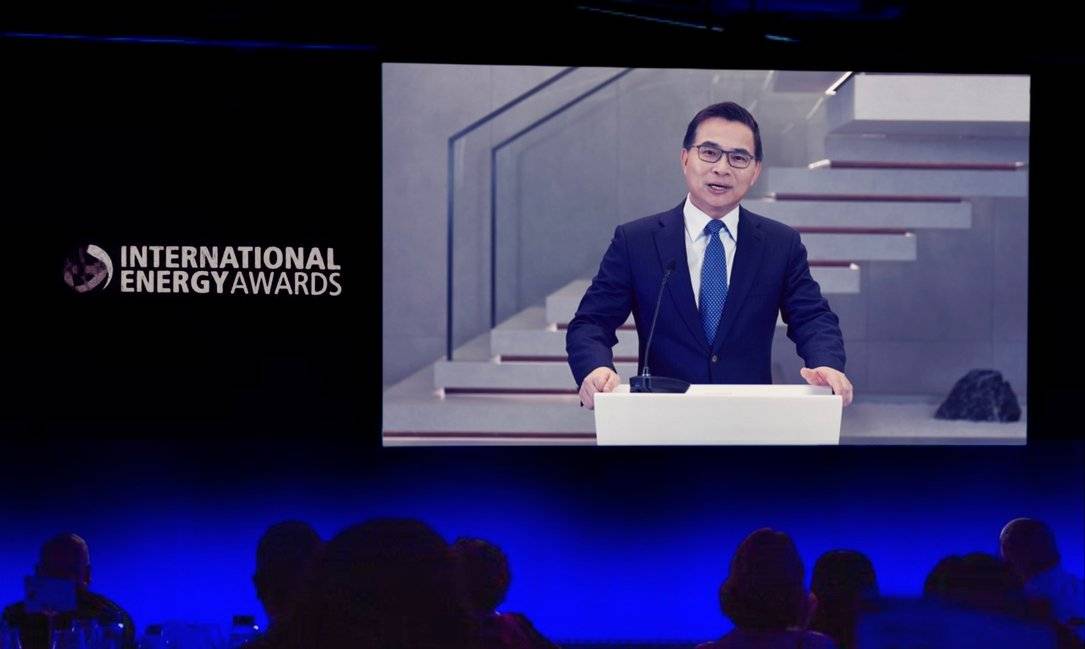
中国企业家首获能源界“诺贝尔奖”, 中国新能源重塑文明繁荣新底座
起点锂电· 2026-02-13 08:51
Core Viewpoint - The article highlights the recognition of Zhang Lei, Chairman of Envision Group, as the first entrepreneur to receive the President's Award from the Energy Institute, marking a significant acknowledgment of China's contributions to global energy transition [4][6]. Group 1: Award and Recognition - The President's Award, established in 2022, is the highest honor awarded by the Energy Institute, akin to a "Nobel Prize" in the energy transition field, with only one recipient selected annually [4]. - Zhang Lei's leadership in Envision Group has been pivotal in providing scalable solutions for global energy transition and addressing climate challenges [4][6]. Group 2: Energy Transition and Innovation - Envision Group has significantly reduced the costs of renewable energy, with a reported 90% decrease in wind and solar energy costs due to large-scale innovations in China, making renewable energy a competitive and accessible option [6][10]. - The company has established itself as a benchmark in the global lithium battery industry, with 14 manufacturing bases across six countries, showcasing its strong international operational capabilities [7][8]. Group 3: Technological Advancements - Envision Power has achieved notable milestones in the energy storage sector, including the production of the world's first 500+Ah and 700+Ah storage cells, and the establishment of North America's first lithium iron phosphate storage production line [8]. - The company has also led innovations in renewable energy systems, including smart wind turbines and AI power systems, contributing to the decarbonization efforts across various economies [8][10]. Group 4: Vision for the Future - Zhang Lei emphasizes the need for a sustainable, intelligent, and inclusive energy system to support the anticipated tenfold increase in global electricity demand over the next 50 years [10][14]. - The transition from fossil fuels to renewable energy is framed as a pathway to a new civilization, where abundant and affordable energy can unlock human potential and foster global collaboration [13][14].
远景张雷获国际能源界奖项:为文明新繁荣,打造永续、智能、普惠的未来能源底座
Bei Ke Cai Jing· 2026-02-13 08:08
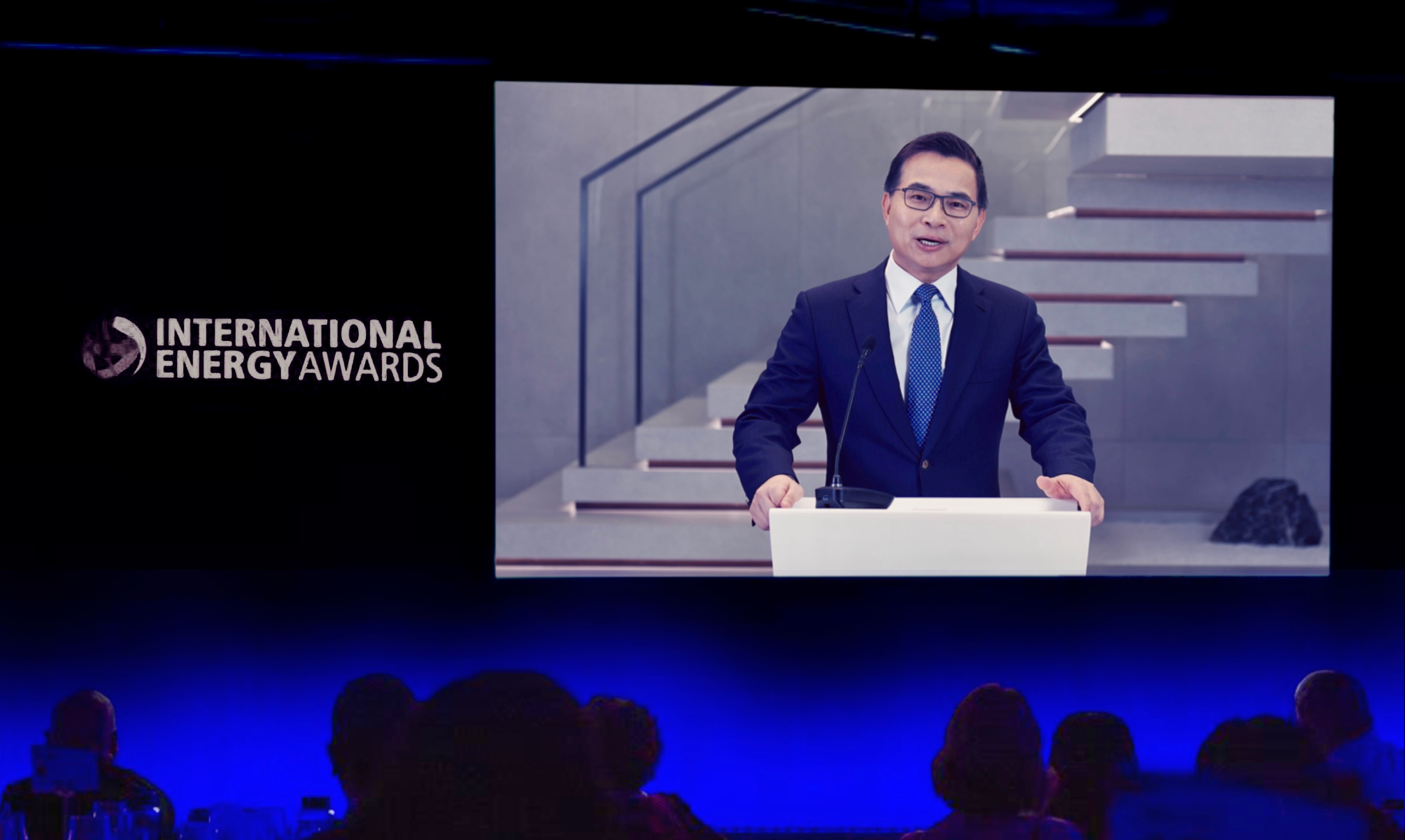
Core Viewpoint - The Energy Institute awarded the 2026 President's Award to Zhang Lei, Chairman of Envision Group, recognizing his exceptional leadership and transformative contributions to global energy transition, marking the first time an entrepreneur has received this honor [1][2]. Group 1: Award Significance - The President's Award is the highest honor given by the Energy Institute, established in 2022 to recognize key figures changing the global energy landscape, awarded annually to only one recipient [2]. - Previous recipients include John Kerry, former U.S. Secretary of State, who received the award in 2025 for his contributions to the Paris Agreement [2]. Group 2: Contributions and Innovations - During the award ceremony, the Energy Institute's Chairman, Andy Brown, highlighted Zhang Lei's vision and leadership, stating that Envision has developed a globally leading AI power system that provides scalable solutions for energy transition and addresses climate challenges [5]. - Zhang Lei emphasized the need for a renewable energy system for the future, noting that China's innovations have reduced the costs of wind and solar energy by 90%, making renewable energy the most competitive and accessible option [5]. - Envision has led several innovative renewable energy system projects, including smart wind turbines, energy storage, AI power systems, green hydrogen technology, and zero-carbon industrial parks, aiming to solve challenges for a sustainable future [8]. Group 3: Global Recognition and Impact - Nicholas Stern, known as the "father of climate economics," endorsed Zhang Lei's vision, stating that sustainable development is the only path to robust and secure growth, and that Envision's solutions represent a global opportunity [6]. - Zhang Lei drew historical parallels to clarify misconceptions about Chinese renewable energy, asserting that it is not merely "cheap and fragile" but rather "abundant and rich," contributing to a sustainable and intelligent energy system for humanity [5].
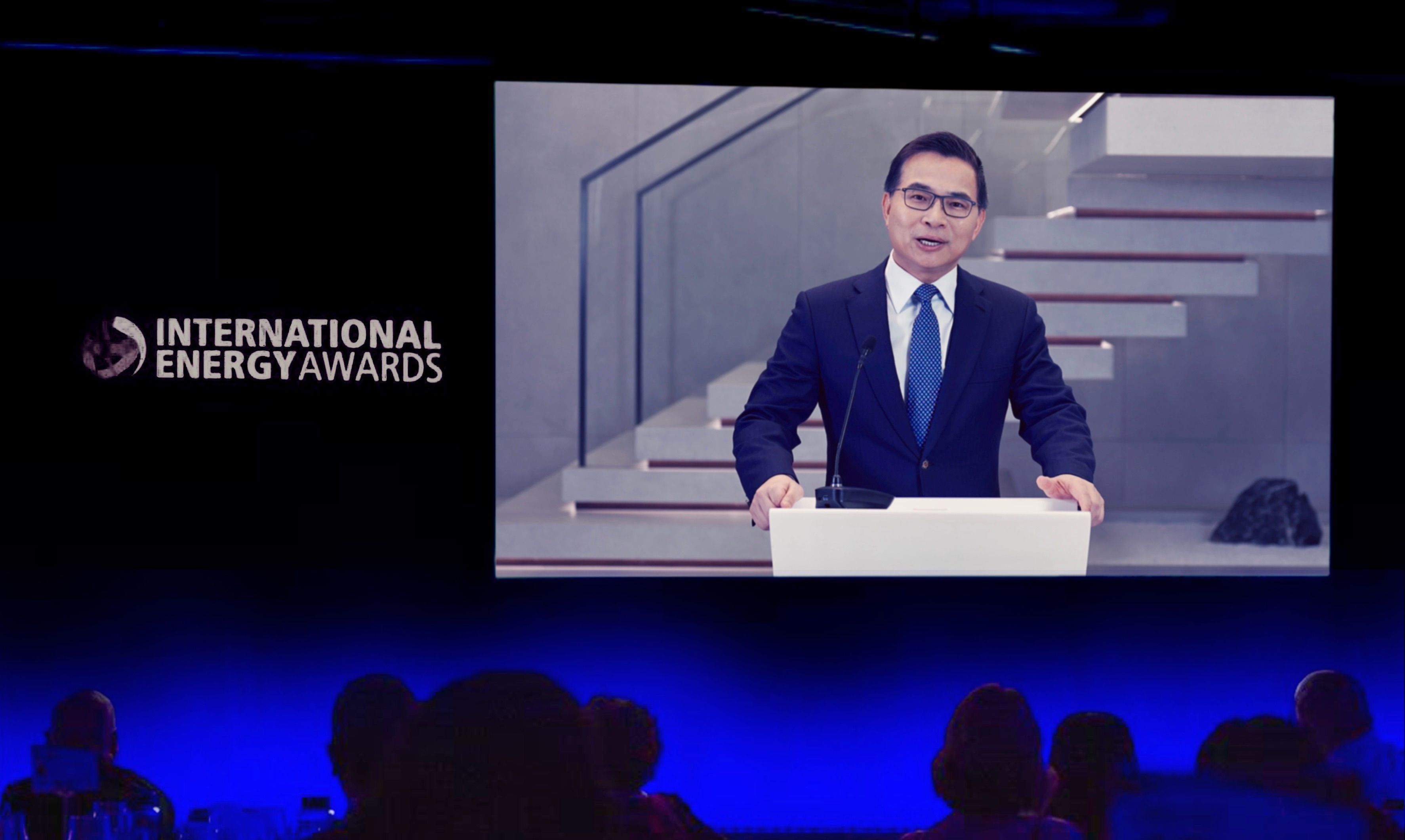
远景张雷获国际能源界顶级殊荣:为文明新繁荣,打造永续、智能、普惠的未来能源底座
中国能源报· 2026-02-13 06:36
Core Viewpoint - The article highlights the recognition of Zhang Lei, Chairman of Envision Group, as the first entrepreneur to receive the President's Award from the Energy Institute, acknowledging his leadership in global energy transition [1][3]. Group 1: Award Significance - The President's Award is the highest honor given by the Energy Institute, established in 2022 to recognize individuals who significantly alter the global energy landscape [1]. - The award is presented annually to only one recipient, making it a prestigious accolade in the energy sector [1]. Group 2: Contributions to Energy Transition - Under Zhang Lei's leadership, Envision has developed a leading AI power system that provides scalable solutions for global energy transition and addresses climate challenges [3]. - Zhang emphasized the need for a renewable energy system to support sustainable development, highlighting that China's innovations have reduced the costs of wind and solar energy by 90%, making renewable energy highly competitive [3]. Group 3: Historical Context and Misinterpretation - Zhang drew parallels between historical innovations, such as the introduction of papermaking to Europe, to clarify that China's renewable energy technology should be viewed as abundant and beneficial rather than merely cheap and surplus [3]. - He argued that the advancements in Chinese renewable energy represent a "civilizational output" that contributes to a sustainable and intelligent energy system for humanity [3]. Group 4: Global Impact and Recognition - Nicholas Stern, a prominent economist, endorsed Zhang's vision, stating that sustainable development is the only path to robust and secure growth, and that Envision's solutions offer practical examples for global energy transition [4]. - Envision is leading several innovative renewable energy systems, including smart wind turbines, energy storage, AI power systems, and green hydrogen technology, contributing to decarbonization efforts across various regions [6].
远景张雷获国际能源界卓越殊荣:为文明新繁荣,打造永续、智能、普惠的未来能源底座
Di Yi Cai Jing· 2026-02-13 05:40
Group 1 - The President's Award for 2026 was awarded to Zhang Lei, Chairman of Envision Group, recognizing his exceptional leadership and transformative contributions to global energy transition [1] - Zhang Lei is the first entrepreneur to receive this award since its establishment in 2022, highlighting the global recognition of China's "civilization-level" output in renewable energy [1] - The award is presented annually by the Energy Institute to individuals who have significantly changed the global energy landscape, with the previous recipient being former U.S. Secretary of State John Kerry in 2025 for his role in the Paris Agreement [1] Group 2 - The award ceremony took place during the London International Energy Week, where Energy Institute Chairman Andy Brown praised Zhang Lei for his vision and leadership in creating a leading AI power system that provides scalable solutions for global energy transition [4] - Zhang Lei emphasized the need for a renewable energy system for the future, noting that China's innovations have reduced the costs of wind and solar energy by 90%, making renewable energy the most competitive and accessible option [4] - He drew historical parallels to defend China's renewable energy technology, arguing that it should be viewed as abundant and rich rather than surplus and cheap, contributing to a sustainable and intelligent energy system for humanity [4] Group 3 - Nicholas Stern, known as the "father of climate economics," endorsed Zhang Lei's vision, stating that sustainable development is the only path to robust and secure growth, and that Envision's solutions represent a global opportunity [5] - The award documentation highlighted Envision's leadership in innovative renewable energy systems, including smart wind turbines, energy storage, AI power systems, green hydrogen technology, and zero-carbon industrial parks [5] - Envision is committed to addressing challenges for a sustainable future and is actively promoting deep decarbonization across various economies in Asia, Europe, the Middle East, and the Americas [5]
远景携手招商局资本,共建AI电力系统驱动的零碳基础设施投资新范式
Zhong Guo Neng Yuan Wang· 2026-02-13 02:59
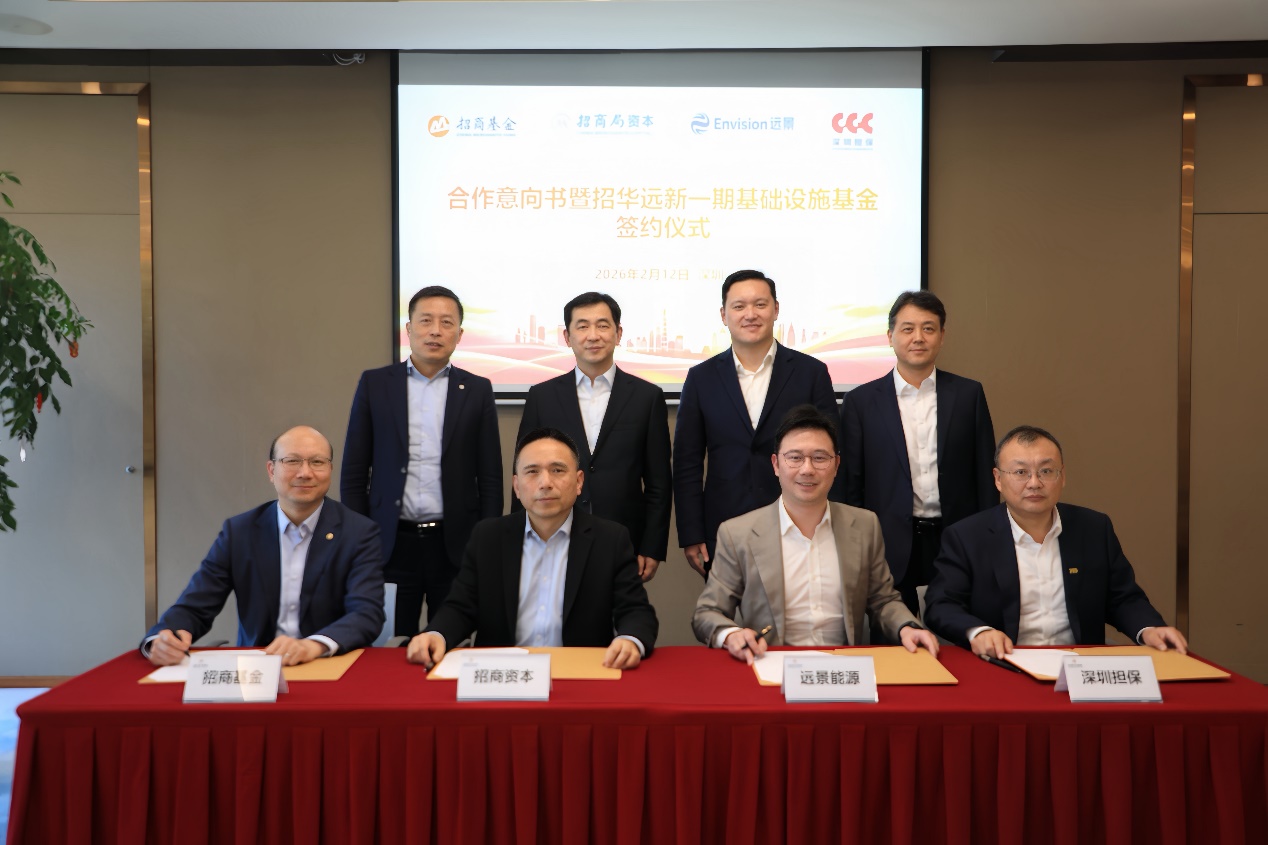
Group 1 - The core viewpoint of the collaboration is to create a specialized investment vehicle focused on green technology and green energy infrastructure, aiming for a replicable and scalable operational model [3] - The partnership involves the signing of a cooperation agreement and a new type of power infrastructure fund, which is the first mixed-type infrastructure Pre-REITs in the market [1][3] - The collaboration will leverage Envision Energy's global leadership in green technology innovation and zero-carbon ecosystem construction, alongside China Merchants Capital's expertise in industrial investment and asset management [3] Group 2 - Envision Energy emphasizes the need for a sustainable, intelligent, and inclusive energy foundation, utilizing renewable energy for long-term sustainability and AI to enhance system efficiency [4] - The AI power system will optimize operations through a closed-loop of "forecasting - scheduling - operation," ensuring stability and economic viability for green energy infrastructure assets [4] - The future outlook includes deepening collaborative innovation and project implementation with partners, focusing on green energy infrastructure investment, asset management, and operational capacity building [4]
加拿大总理因何盯上中国能源“三巨头”
Guan Cha Zhe Wang· 2026-01-23 10:16
Core Viewpoint - The article discusses the rising global recognition of China's renewable energy sector as a vital contributor to energy transition, countering criticisms from the U.S. regarding unfair competition and overcapacity [1][2]. Group 1: China's Renewable Energy Position - Zhang Lei, Chairman of Envision Group, asserts that Chinese renewable energy represents a "civilizational output," akin to the steam engine during the Industrial Revolution, establishing a new energy infrastructure globally [1]. - Al Gore supports this view, highlighting that by 2025, the total value of green technology exported by China will exceed that of all fossil fuels exported by the U.S. by 50% [1]. - Countries like Nigeria, Kenya, and Zambia are experiencing a surge in solar installations, indicating a global shift towards renewable energy solutions [1]. Group 2: Canada-China Energy Cooperation - Canadian Prime Minister's recent visit to China marks a significant thaw in relations, focusing on cooperation in key areas such as energy and agriculture, which is crucial for both nations [2]. - Meetings between Canadian officials and major Chinese energy companies, including China National Petroleum Corporation, Envision Group, and CATL, are pivotal for reshaping the global energy landscape [2][5]. - The collaboration is seen as a strategic response to Canada's energy transition challenges, showcasing China's renewable energy capabilities [2][11]. Group 3: Challenges in Canada's Energy Sector - Canada faces a dilemma with over 95% of its oil and most natural gas reliant on the U.S. market, posing strategic security risks amid politicized U.S. energy policies [9]. - The aging electrical grid in Canada struggles to integrate renewable energy, falling short of the 2030 and 2035 renewable energy targets [10]. - A weak green industrial base and incomplete supply chains hinder Canada's ability to leverage its resource advantages, necessitating external technological support [11]. Group 4: Technological and Systemic Advantages of China - China's renewable energy industry has developed a comprehensive "scale-technology-system" model, providing a robust foundation for international cooperation [12]. - Envision Group's AI-powered energy systems exemplify this systemic advantage, addressing the complexities of renewable energy management and enhancing operational efficiency [13][15]. - The AI energy system's capabilities align with Canada's long-term energy system upgrade plans, indicating a deepening of technological collaboration [14][19]. Group 5: Future Implications of Cooperation - The partnership between Canada and China transcends mere product trade, evolving into a collaborative model for technology standards and industrial practices [14][20]. - This cooperation is expected to reshape global energy collaboration, allowing Chinese renewable technology standards to influence international markets and contribute to global carbon neutrality efforts [20].



国家零碳园区呼之欲出,首批试点花落谁家?
2 1 Shi Ji Jing Ji Bao Dao· 2025-12-17 11:27
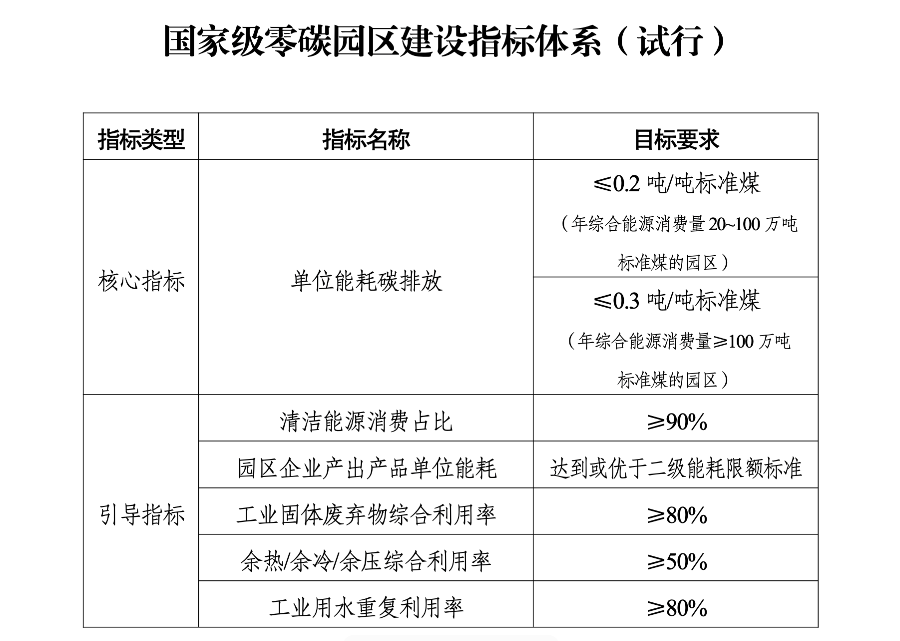
Core Insights - The first batch of national-level zero-carbon parks has completed the review process, with the final list expected to be announced soon [1] - The establishment of zero-carbon parks is a key strategic measure to achieve China's dual carbon goals, with a target of building around 100 national-level zero-carbon parks during the 14th Five-Year Plan period [2][3] - The construction of zero-carbon parks faces challenges such as high costs and the need for technological integration, despite the push for investment and construction [1][3] Policy and Regulatory Framework - The National Development and Reform Commission (NDRC) and other departments have issued guidelines on the basic conditions, indicators, and carbon emission accounting methods for zero-carbon park construction [2] - The core indicator for evaluating zero-carbon parks is "unit energy consumption carbon emissions," which aims to guide parks to achieve near-zero carbon emissions while ensuring enterprise development [3][4] Technical and Operational Standards - The "National Level Zero-Carbon Park Construction Indicator System (Trial)" specifies that parks with an annual comprehensive energy consumption of 20-100 million tons of standard coal must have unit energy consumption carbon emissions of ≤0.2 tons/ton of standard coal, while those with consumption ≥100 million tons must meet ≤0.3 tons/ton [4][5] - Additional guiding indicators include a clean energy consumption ratio of ≥90%, industrial solid waste utilization rate of ≥80%, and industrial water reuse rate of ≥80% [5][7] Regional and Industry Challenges - The construction of zero-carbon parks varies significantly across regions, with eastern regions facing high industrial demand for green electricity and western regions having abundant renewable resources but weaker industrial foundations [3] - The current average unit energy consumption carbon emissions across parks is approximately 2.1 tons/ton of standard coal, indicating a need for a 90% reduction to meet zero-carbon standards [6] Investment and Market Dynamics - Companies are motivated to engage in zero-carbon park construction due to policy incentives and market access requirements, particularly in export-oriented industries [10] - The construction of zero-carbon parks requires a stable and high proportion of green electricity supply, which poses challenges in balancing renewable energy variability with continuous industrial production needs [10][11] Collaborative Efforts and Innovations - Successful zero-carbon park projects involve collaboration among various stakeholders, including park management committees, energy investment companies, and production enterprises [12] - Innovative solutions, such as AI-powered energy management systems, are being developed to enhance energy efficiency and stability in zero-carbon parks [11][12]
零碳园区引领绿色变革风尚
中国能源报· 2025-11-30 23:33
Core Viewpoint - The article emphasizes the strategic importance of developing zero-carbon industrial parks in China as a key initiative for achieving green transformation and carbon neutrality goals during the "14th Five-Year Plan" period, with a target of establishing approximately 100 national-level zero-carbon parks [1][3]. Group 1: National and Local Initiatives - The 20th National Congress of the Communist Party of China calls for accelerating the formation of green production and lifestyle, with a focus on ecological environment management and industrial layout optimization [3]. - Various regions are actively constructing zero-carbon parks, leveraging local resources and clean energy advantages, such as Inner Mongolia and Qinghai focusing on low-cost energy supply, while coastal areas like Jiangsu and Guangdong emphasize digitalization and smart manufacturing [3][5]. - The establishment of zero-carbon parks is seen as a critical step in transitioning to a low-carbon economy, with local governments implementing supportive policies to attract businesses and investments [5][7]. Group 2: Economic and Competitive Implications - The shift towards zero-carbon parks is driven by the need for industries to adapt to global green trade barriers and the increasing competitiveness of low-carbon products in international markets [8]. - Zero-carbon parks are expected to create high-quality green jobs and attract low-carbon industries, enhancing overall economic competitiveness [7][8]. - The integration of renewable energy technologies and energy management systems in these parks is projected to significantly improve energy efficiency and reduce carbon emissions [8]. Group 3: Challenges and Solutions - Despite the enthusiasm for zero-carbon park development, challenges such as the lack of strong implementation bodies and the need for a coordinated approach among stakeholders are highlighted [10]. - Key difficulties include standardization issues, cost-benefit analysis, and resource supply constraints, which need to be addressed to ensure effective implementation [10][11]. - The article suggests that innovative financing mechanisms and the establishment of specialized funds could support the development of integrated energy solutions within zero-carbon parks [14]. Group 4: Future Outlook - The article envisions that the proliferation of zero-carbon parks across China will contribute to high-quality economic development and provide a model for global low-carbon transitions [15].
