
能碳管理综合平台

Search documents
从乡村到园区,降碳“文章”这样写——浙江推进低碳转型发展见闻
Xin Hua Wang· 2025-08-09 10:09
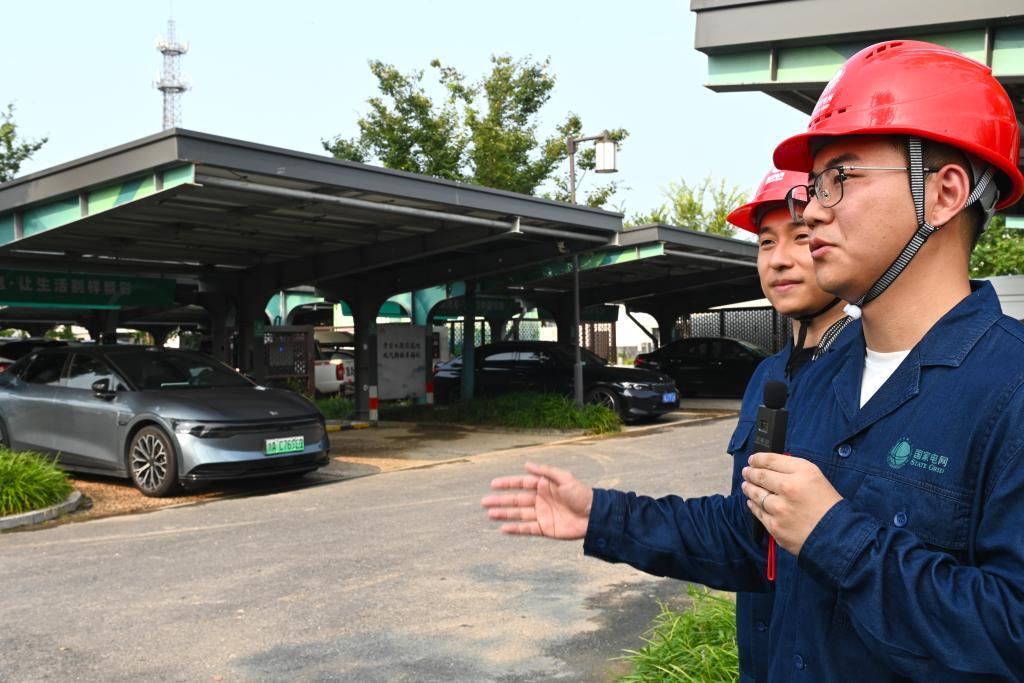
Group 1 - The village is focusing on photovoltaic power generation to create a "low-carbon village" [2] - The integrated solar storage and charging system at the village center has a capacity of 258 kW, generating over 160,000 kWh annually, reducing CO2 emissions by approximately 94 tons [2] - The village's aquaculture project combines over 80 acres of ponds with more than 30 acres of land, generating dual income streams and expected to increase collective income by over 110,000 yuan annually [2] Group 2 - In Yuhang District, the village is promoting a low-carbon lifestyle through initiatives like waste sorting and green travel, with residents earning points redeemable for daily necessities [4] - The village has a forest coverage rate of 96%, leveraging its ecological resources for carbon sequestration, and promoting carbon-labeled tea products [4] - The village is implementing various green facilities and real-time carbon data management systems to create a tangible "zero-carbon" living environment [4][6] Group 3 - The industrial sector is a significant contributor to carbon emissions, and the Linping Economic and Technological Development Zone is launching a zero-carbon demonstration project [6] - The project includes distributed photovoltaic power stations and a microgrid system, with green energy accounting for 63.2% of the park's energy consumption, yielding annual savings of about 100,000 yuan in electricity and 1.58 million yuan in power generation [6] - The project is expected to recover costs in approximately six years, providing a sustainable model for green low-carbon development [6]

活力中国调研行丨从乡村到园区,降碳“文章”这样写——浙江推进低碳转型发展见闻
Xin Hua Wang· 2025-08-07 05:23
Core Insights - Zhejiang province is actively promoting low-carbon transformation through various initiatives in rural and industrial areas, showcasing a strong commitment to sustainable development [1][5]. Group 1: Rural Low-Carbon Initiatives - Meilin Village is developing a "low-carbon village" centered around photovoltaic (PV) power generation, with a distributed rooftop PV system generating over 160,000 kWh annually, reducing CO2 emissions by approximately 94 tons [2]. - The village's "fishing and solar" project integrates over 80 acres of ponds and 30 acres of land, expected to increase collective income by over 110,000 yuan annually [2]. - Residents are benefiting from surplus electricity sales to the grid, enhancing their financial well-being while contributing to environmental sustainability [2]. Group 2: Innovative Practices in Low-Carbon Living - Jing Shan Village is promoting a low-carbon lifestyle by replacing plastic products with bamboo alternatives, which has gained popularity among guests [3]. - The village has implemented a points system for waste sorting and green travel, encouraging residents to adopt sustainable practices [3]. - With a forest coverage rate of 96%, the village aims to leverage its ecological resources for carbon sequestration and promote carbon-labeled tea products [3]. Group 3: Industrial Low-Carbon Transformation - The Linping Economic and Technological Development Zone is launching a zero-carbon demonstration project, focusing on distributed PV power stations and energy management systems [4]. - The industrial park has achieved a green energy share of 63.2%, with annual savings of approximately 100,000 yuan in electricity and 1.58 million yuan in power generation revenue [4]. - The project is designed to be replicable and sustainable, with a payback period of about six years, contributing to the broader goal of carbon neutrality [4]. Group 4: Broader Implications for Development - The ongoing low-carbon transformation across various sectors, including households, parks, agriculture, and industry, is reinforcing the green foundation for high-quality development in the region [5].