腌制肉

Search documents
食品配料不该遮遮掩掩
Jing Ji Ri Bao· 2026-01-19 00:12
Core Viewpoint - The recent exposure of irregularities in the hot pot industry's marinated meat has raised widespread public concern regarding food safety and transparency in ingredient usage [1][2]. Group 1: Industry Concerns - Many hot pot restaurants use complex ingredient lists for marinated meats, often containing over 20 additives, leading to consumer confusion and distrust [1]. - Some businesses have been found to illegally add tenderizers and misrepresent marinated meat as original cuts, further damaging consumer trust [1]. Group 2: Need for Transparency - The hot pot industry's reputation for freshness relies not only on fresh ingredients but also on transparent processing practices [1]. - While many restaurants have adopted open kitchens, the ingredient lists for marinated meats remain obscured, necessitating greater transparency [1]. Group 3: Regulatory Recommendations - Strengthening daily checks on the quantitative use of additives in marinated meats is essential for regulatory bodies to ensure compliance and accountability from businesses [2]. - Restaurants should proactively establish ingredient disclosure systems, either by marking ingredient information on menus or through online channels, to enhance transparency alongside open kitchens [2]. Group 4: Importance of Food Safety - Food safety is paramount, and the integrity of the restaurant industry hinges on trust and honesty [2]. - The evaluation of hot pot restaurants should prioritize food safety as a core metric, as consumer confidence in food safety outweighs the appeal of taste [2].
火锅“腌制肉”乱象曝光:6亿吃货大破防
3 6 Ke· 2025-12-26 12:24
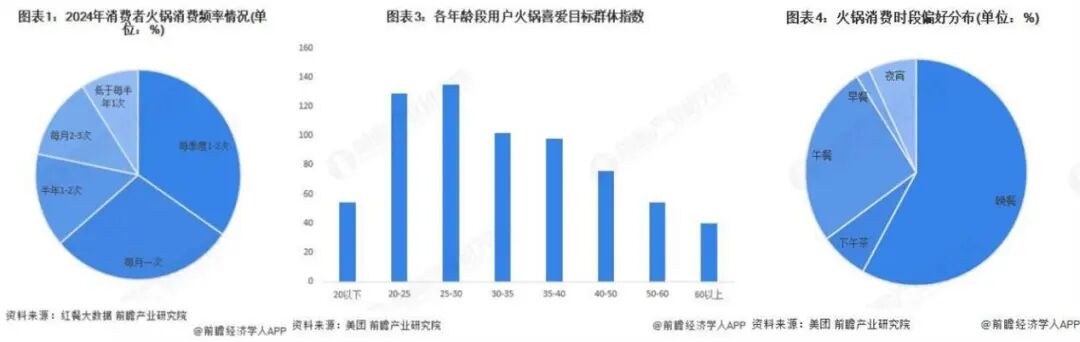
Core Viewpoint - The recent exposure of health risks associated with marinated meat in hot pot restaurants has raised significant consumer concerns, leading to a demand for transparency and quality in food sourcing [3][10]. Group 1: Consumer Insights - Approximately 6 billion consumers are engaged in hot pot dining, with 41.8% being frequent consumers who dine more than once a month [2]. - The consumer demographic spans various age groups, including those under 20 and over 60, indicating a broad appeal of hot pot dining [2]. Group 2: Industry Issues - Investigations revealed that many hot pot restaurants use excessive additives and low-quality meat, raising health concerns among consumers [3][6]. - The complexity of ingredient lists for marinated meats often includes multiple additives, with some products containing over 20 different substances [6][8]. - The prevalence of pre-processed marinated meats in the industry is primarily driven by cost-saving measures and higher profit margins compared to fresh cuts [9][10]. Group 3: Market Trends - The hot pot market is projected to reach a scale of 650 billion yuan by 2025, with a growing preference for high-quality dining experiences among consumers [10]. - A significant portion of consumers (73.5%) are willing to spend more on quality food, reflecting a shift towards health-conscious dining choices [10]. Group 4: Recommendations - Experts suggest that consumers should opt for reputable hot pot brands that prioritize food safety and focus on fresh cuts of meat, avoiding marinated options [12].