
原切肉

Search documents
火锅“腌制肉”乱象曝光:6亿吃货大破防
3 6 Ke· 2025-12-26 12:24
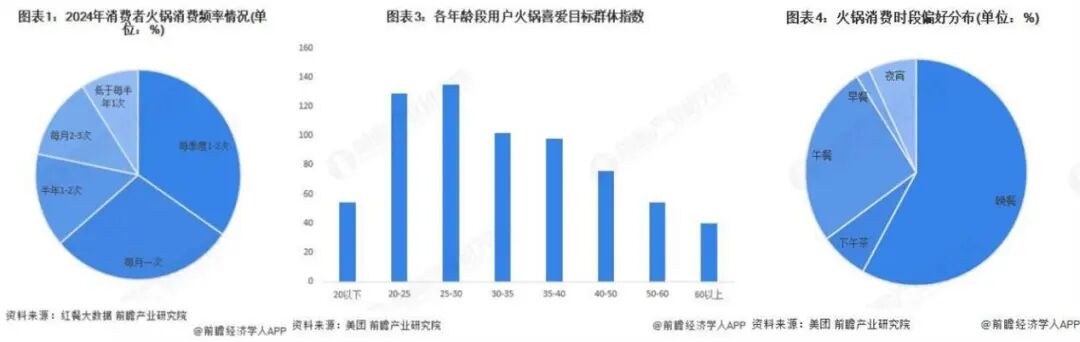
Core Viewpoint - The recent exposure of health risks associated with marinated meat in hot pot restaurants has raised significant consumer concerns, leading to a demand for transparency and quality in food sourcing [3][10]. Group 1: Consumer Insights - Approximately 6 billion consumers are engaged in hot pot dining, with 41.8% being frequent consumers who dine more than once a month [2]. - The consumer demographic spans various age groups, including those under 20 and over 60, indicating a broad appeal of hot pot dining [2]. Group 2: Industry Issues - Investigations revealed that many hot pot restaurants use excessive additives and low-quality meat, raising health concerns among consumers [3][6]. - The complexity of ingredient lists for marinated meats often includes multiple additives, with some products containing over 20 different substances [6][8]. - The prevalence of pre-processed marinated meats in the industry is primarily driven by cost-saving measures and higher profit margins compared to fresh cuts [9][10]. Group 3: Market Trends - The hot pot market is projected to reach a scale of 650 billion yuan by 2025, with a growing preference for high-quality dining experiences among consumers [10]. - A significant portion of consumers (73.5%) are willing to spend more on quality food, reflecting a shift towards health-conscious dining choices [10]. Group 4: Recommendations - Experts suggest that consumers should opt for reputable hot pot brands that prioritize food safety and focus on fresh cuts of meat, avoiding marinated options [12].

“调理肉”冒充“原切肉”,“潜规则”早该切掉
Xin Jing Bao· 2025-03-31 12:16
Core Insights - The investigation reveals that many pre-packaged beef and lamb products marketed as "original cut" may actually contain food additives or be misrepresented as "processed meat" [1][2] - A significant number of samples tested showed that 7 out of 12 contained food additives, with 2 exceeding the national standards for "processed meat" [1][2] Group 1: Industry Issues - The use of food additives in "original cut" meat is misleading consumers, as these products are supposed to be free from such additives, which raises concerns about consumer rights and food safety regulations [2] - The price of "original cut" meat is higher due to its perceived quality, but manufacturers are profiting by misrepresenting "processed meat" as "original cut," leading to consumer deception [2] Group 2: Consumer Challenges - Consumers face difficulties in protecting their rights when purchasing suspicious pre-packaged meat, as they often need to provide testing reports that are hard to obtain [3] - The return and exchange policies for fresh products on e-commerce platforms complicate the process for consumers seeking redress, especially after 7 days of purchase [3] Group 3: Regulatory and E-commerce Responsibilities - Regulatory bodies and e-commerce platforms must take responsibility to prevent the sale of counterfeit "original cut" meat and ensure consumer protection [4] - There is a need for a tailored inspection mechanism for e-commerce to address the growing trend of online purchases of pre-packaged meat products [4] - It is essential for all stakeholders, including regulatory agencies, e-commerce platforms, and manufacturers, to uphold food safety standards and prevent misleading practices in the market [4]