
自动体外除颤器AED

Search documents
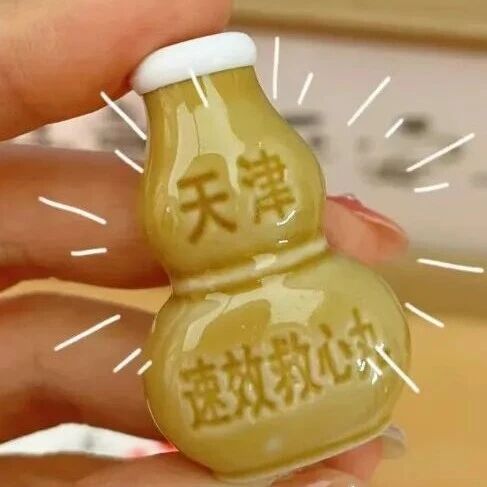
速效救心丸销量上涨10倍
盐财经· 2026-03-29 09:52
Core Viewpoint - The surge in demand for heart-related medications and health products, particularly among younger demographics, raises questions about their effectiveness and the importance of proper medical guidance [2][3][5]. Group 1: Surge in Demand for Heart Medications - Recent data shows that the search volume for heart medications like "速效救心丸" has increased over 30 times year-on-year, with sales of "速效救心丸" growing over 10 times [2]. - The demographic shift indicates that users aged 36 to 45 now account for over 53% of the buyers of "速效救心丸," a significant increase from previous years [3]. Group 2: Effectiveness of Medications - Experts clarify that "速效救心丸" and nitroglycerin are emergency medications for acute coronary conditions but are ineffective for patients who have already experienced cardiac arrest [5]. - Misuse of these medications can lead to adverse effects, especially in cases of malignant arrhythmias, where they may lower blood pressure and induce shock [5][6]. Group 3: Popularity of Health Supplements - Health supplements marketed as "anti-sudden death packages" have gained traction, often including Coenzyme Q10, fish oil, and various vitamins, but experts warn they cannot replace proper medical treatment [9][12]. - The claim that these supplements can prevent sudden cardiac death is misleading, as they primarily serve as nutritional support rather than therapeutic solutions [12]. Group 4: Recommendations for AED Usage - The automatic external defibrillator (AED) is crucial for high-risk patients, but most households without risk factors do not need to have one [13][15]. - AEDs are recommended for families with a history of serious heart conditions, while public places increasingly provide access to these devices [15]. Group 5: Prevention of Cardiac Events - Experts emphasize the importance of recognizing early symptoms of heart issues and seeking timely medical attention, particularly for high-risk individuals [16][17]. - Maintaining a healthy lifestyle and managing stress are fundamental to heart health, suggesting that proactive health management is more beneficial than stockpiling medications [17].

健康管理“小帮手”别用错
Xin Lang Cai Jing· 2026-01-18 16:22
Core Insights - The article emphasizes the importance of scientifically using home medical devices and understanding their data for effective health management [1][2][3][4] Group 1: Home Medical Devices - Various home medical devices, such as electronic blood pressure monitors and pulse oximeters, are increasingly integrated into daily life, but common misuse includes using them without proper guidance [1] - Home medical devices should be used under medical supervision, especially for conditions like sleep apnea, where specific settings must be adjusted based on professional evaluations [1] - The accuracy of home medical devices can be affected by personal operation methods, environmental factors, and individual conditions, making it crucial to consult a doctor for any treatment adjustments based on self-measurements [2] Group 2: Wearable Devices - Wearable devices like smart bands and watches are popular for monitoring health metrics, but they should not be relied upon for disease diagnosis or treatment [3] - For instance, sleep monitoring devices provide general trends but lack the precision of professional equipment due to various influencing factors [3] - Individuals are encouraged to maintain a rational perspective on health data and seek professional medical advice if significant changes in health indicators occur [3] Group 3: Emergency Response - The article highlights the critical importance of timely intervention during cardiac arrest, with a survival rate significantly increasing if help is provided within 4 to 6 minutes [4] - The use of Automated External Defibrillators (AEDs) is promoted, with their availability in public places like airports and sports venues, and they are designed for easy operation [4] - The Chinese government plans to further promote AEDs in public spaces and provide CPR training to the public, enhancing emergency response capabilities [4]