自动胰岛素输注系统

Search documents
自动胰岛素输注系统全面上市,人工胰腺赛道竞争升温
思宇MedTech· 2026-03-17 07:20
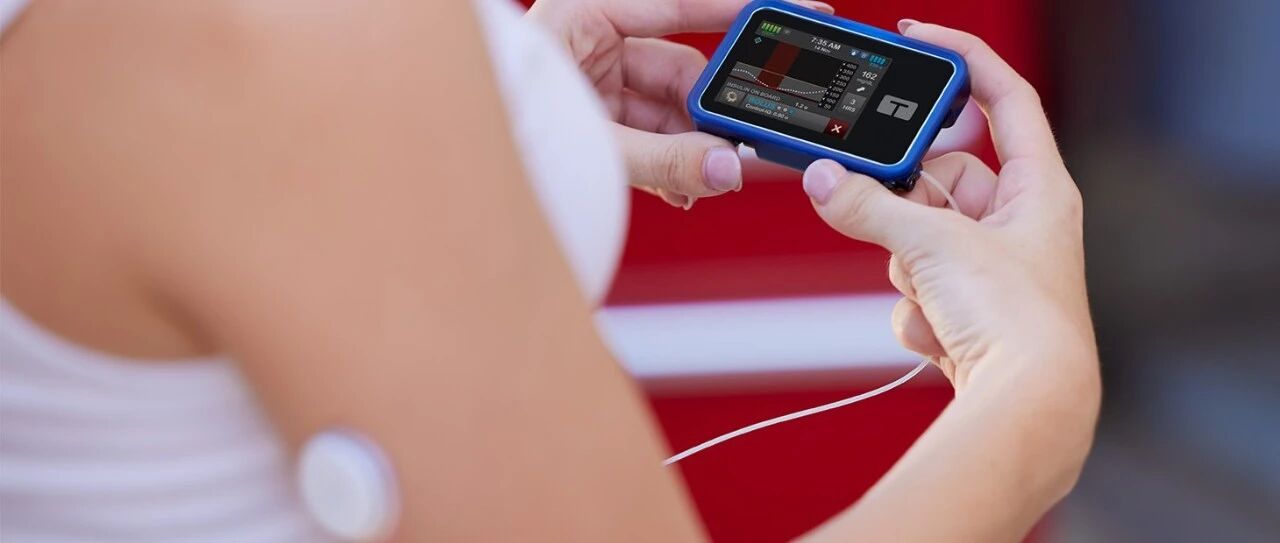
Core Viewpoint - Sequel Med Tech's twiist Automated Insulin Delivery System has been commercially launched in the U.S. for type 1 diabetes patients, marking a significant shift towards automated, algorithm-driven closed-loop treatment systems in the diabetes device market [2] Group 1: Product Launch and Features - The twiist system received FDA approval in 2024 and is now available through pharmacies with a flexible payment model: the first month is free, followed by a maximum monthly fee of $50 [2][18] - The system automatically adjusts insulin delivery based on real-time blood glucose levels, providing features like infusion blockage alerts [6] - The twiist system can be paired with Abbott's FreeStyle Libre 3 Plus sensor, a leading continuous glucose monitoring product [6] Group 2: Industry Trends - The diabetes device market has traditionally consisted of blood glucose monitoring devices and insulin delivery devices, but advancements in algorithms and sensor technology are leading to their convergence [10] - Automated insulin delivery systems, often referred to as "artificial pancreas" systems, are becoming the core of industry competition, with products that closely mimic the body's natural insulin regulation [11] - The collaboration between continuous glucose monitoring (CGM) devices and insulin pumps is increasingly important for effective diabetes management [12] Group 3: New Business Models - Sequel's product launch introduces a subscription-like payment model, contrasting with traditional insulin pumps that can cost thousands of dollars [14] - This new model aims to lower the entry barrier for patients, thereby expanding the user base for automated insulin delivery systems [15] - Subscription payment models are becoming more common in the U.S. medical device market, particularly in chronic disease management [16] Group 4: Implications for the Chinese Market - Sequel's product path highlights significant changes in the diabetes device industry, including the integration of CGM and insulin pumps into cohesive systems [20] - Some Chinese companies are also exploring similar integration strategies to create comprehensive diabetes management platforms [23] - The effectiveness of automated insulin delivery systems is increasingly dependent on control algorithms that adjust insulin doses based on real-time data [25] Group 5: Competitive Landscape - The diabetes device industry is undergoing structural changes, shifting from competition among individual devices to competition among complete treatment ecosystems [32] - Companies need to possess capabilities across various areas, including sensor technology, infusion devices, algorithm platforms, and data management [34] - Sequel's launch of the twiist system exemplifies this trend, indicating that future competition will focus on comprehensive treatment solutions rather than isolated devices [34]

45亿IPO!美敦力拆出一家上市公司
思宇MedTech· 2026-03-09 06:38
Core Viewpoint - MiniMed is set to go public with an IPO priced at $20 per share, aiming to raise up to $644 million, marking a significant step in Medtronic's strategy to spin off its diabetes business [2][3] Group 1: IPO Details - MiniMed plans to issue 28 million shares at a price of $20 each, with a potential maximum fundraising of $644 million if the underwriters' overallotment option is fully exercised [2] - The IPO is scheduled for March 9, 2026, on the NASDAQ under the ticker symbol MMED [3] - The initial price range was set between $25 and $28, indicating a notable decrease in the final pricing [3] Group 2: Company Background - MiniMed, established in the 1980s and acquired by Medtronic in 2001, has been a key player in the insulin pump market, focusing on diabetes technology [9] - The company specializes in developing insulin pump systems, automated insulin delivery systems, and related digital management platforms, maintaining a strong market share globally [9] Group 3: Market Dynamics - The insulin pump market is dominated by a few key players, including Medtronic, Insulet, and Tandem Diabetes Care [6] - Recent advancements in continuous glucose monitoring (CGM) technology have led to the integration of insulin pumps with CGM systems, creating automated insulin delivery systems, which is a significant trend in diabetes management [7] Group 4: Strategic Implications - Medtronic's decision to spin off its diabetes business is influenced by the increasing competition in the insulin pump market, allowing for independent financing and strategic flexibility [12] - The separation is expected to enhance the market's valuation of the diabetes business, reflecting a broader trend in the medical device industry where companies split off distinct business units for clearer valuation [12] Group 5: Insights for the Chinese Market - The diabetes device market in China is rapidly developing, with an increase in domestic insulin pump and CGM companies [15][16] - The trend towards automated closed-loop systems in diabetes management is gaining traction, indicating a growing and independent medical device sector [16] - Future competition in China will focus on the integration capabilities between insulin pumps, CGM, and algorithm platforms, rather than just individual devices [17]