航空租赁业务

Search documents
瑞银:升中银航空租赁(02588)目标价至96.9港元 料公司去年盈利7.2亿美元
智通财经网· 2026-02-05 08:47
瑞银预计,中银航空租赁去年盈利将达约7.2亿美元;资本开支则符合40亿美元的预测指引;租赁业务收入 同比增长将从去年上半年1%加快至下半年预测的5.5%。股东回报方面,该行预期公司全年股息派0.36 美元,派息比率为35%。然而,由于公司的资本结构有充分的提升空间,因此不能排除其可能逐渐倾向 于更慷慨的派息政策。 智通财经APP获悉,瑞银发布研报称,中银航空租赁(02588)受惠于资产增长重新加速,现正朝着新的股 东权益回报率(ROE)上升周期迈进,预计ROE在2026年将达到11.7%,并在2027年达到12.7%,高于2025 年的10.9%。该行相信,随着ROE提升,公司估值有重新评级的空间。该行略微上调中银航空租赁去年 盈测2%,惟将2026及27年盈测下调2%至4%,以反映采用较高的利率假设。该行将公司目标价由86.5港 元上调至96.9港元,续予"买入"评级。 ...

中民投沉浮录:十年一梦
Xin Lang Cai Jing· 2025-12-23 01:22
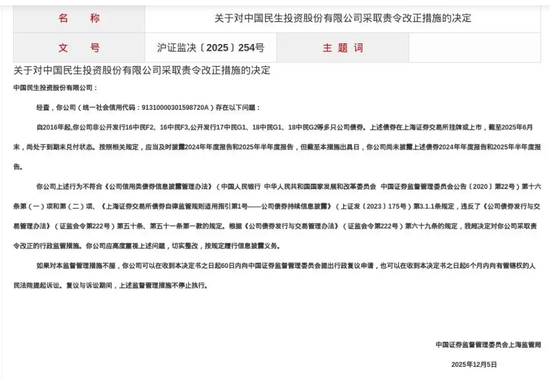
Core Insights - Zhongmin Investment, once the largest private investment group in China, is facing significant challenges including bond defaults and disclosure violations, highlighting a decade-long journey from initial success to current struggles [1][11] - The contrasting narratives of regulatory penalties and debt restructuring efforts illustrate the complex landscape of Zhongmin Investment's operations and the broader context of private capital in China [1][11] Group 1: Company Background and Initial Success - Zhongmin Investment was established in the summer of 2014 with a registered capital of 50 billion yuan and 59 prominent private enterprises, aiming to become a platform for private enterprises to "go global" [2][13] - The company achieved rapid growth, with asset scale surpassing 300 billion yuan within three years, diversifying into sectors from renewable energy to finance and real estate [2][13] Group 2: Strategic Missteps and Governance Issues - The initial strategy of a light asset model quickly shifted to heavy asset investments, notably acquiring the "land king" in Shanghai for nearly 25 billion yuan, effectively transforming Zhongmin into a real estate developer [2][14] - The governance structure, designed for collective decision-making with no single controlling shareholder, became a liability during crises, leading to indecision and lack of accountability among stakeholders [4][5][15] Group 3: Economic Environment and Financial Challenges - The rapid expansion from 2014 to 2017 was facilitated by a favorable financing environment, but post-2017 policies aimed at deleveraging and risk prevention tightened funding channels and increased costs [6][16] - External factors, such as the 2018 photovoltaic policy changes and ongoing real estate regulations, exacerbated Zhongmin's financial strain, revealing vulnerabilities in its "short debt, long investment" model [6][16] Group 4: Crisis Management and Future Outlook - In response to the crisis, Zhongmin has resorted to selling core assets, but these measures have proven insufficient against its substantial debt load [8][18] - The latest debt restructuring plan, involving interest waivers and debt extensions, offers a temporary reprieve, but the company's long-term survival hinges on developing a more resilient and sustainable business model [8][18][19]