艾力雅(Eylea)

Search documents
拜耳股价大涨6.19%,105亿美元和解协议成关键催化剂
Xin Lang Cai Jing· 2026-02-17 19:44
Group 1 - Bayer's stock price increased by 6.19% on February 17, closing at $14.42, nearing recent highs, driven by a settlement agreement related to Roundup lawsuits [1] - The company plans to allocate $10.5 billion for the settlement, including $7.5 billion for a class action and $3 billion for existing case settlements, alleviating market concerns over long-term litigation risks [1] - The stock reached a high of $14.85 on February 17, with a trading volume of $34.41 million, indicating increased investor interest and a 79.8% increase over the past six months [1] Group 2 - Bayer's new anticoagulant Asundexian has reached its primary endpoint in Phase III trials, with an expected FDA submission by the end of 2026, potentially serving as a new growth driver [2] - The company aims to save €2 billion annually from its DSO operating model starting in 2026, enhancing operational efficiency [2] - Bayer's core drugs, Xarelto and Eylea, face ongoing competition from generics, and the execution of the settlement remains uncertain pending court approval [2] Group 3 - On February 17, the pharmaceutical sector in the U.S. rose by 0.37%, with the Dow and Nasdaq increasing by 0.28% and 0.44%, respectively, while Bayer outperformed both the sector and the broader market [3] - The settlement agreement has significantly boosted market sentiment in the short term, but the sustainability of the stock price increase will depend on improvements in fundamentals, such as new drug approvals and cost control [3] - Investors should monitor the court's ruling on the settlement and Bayer's Q1 2026 financial guidance for the year [3]
拜耳2026年展望:创新药审批、成本节约与诉讼风险并存
Jing Ji Guan Cha Wang· 2026-02-12 15:17
Company Developments - Bayer's new oral anticoagulant Asundexian has completed Phase 3 clinical trials and is expected to receive FDA approval by the end of 2026, viewed as a key product with blockbuster potential [2] - The company plans to achieve five significant milestones in the first half of 2026, focusing on expanding indications for existing products and releasing new data to strengthen its position in innovative drug development [2] Strategic Initiatives - Bayer's Dynamic Shared Responsibility (DSO) operational model, initiated in 2023, aims to save €2 billion annually starting in 2026 through organizational streamlining and improved decision-making efficiency [3] - The company will continue to focus on four strategic areas: innovation, addressing litigation issues in the U.S., improving cash flow, and enhancing profitability in its crop science business, with the pharmaceutical sector (especially in oncology, cardiovascular, neuroscience, and rare diseases) seen as a core growth engine [3] Company Status - Bayer has divested non-core assets, such as the global business of the antibiotic moxifloxacin, to concentrate resources on its more promising innovative drug pipeline [4] Future Outlook - Bayer's core products, rivaroxaban (Xarelto) and aflibercept (Eylea), will continue to face sales pressure from generic competition in 2026, although the company anticipates that this pressure will gradually ease after 2026 [5] - Ongoing litigation related to glyphosate from the acquisition of Monsanto remains a significant uncertainty that requires continuous monitoring [6]
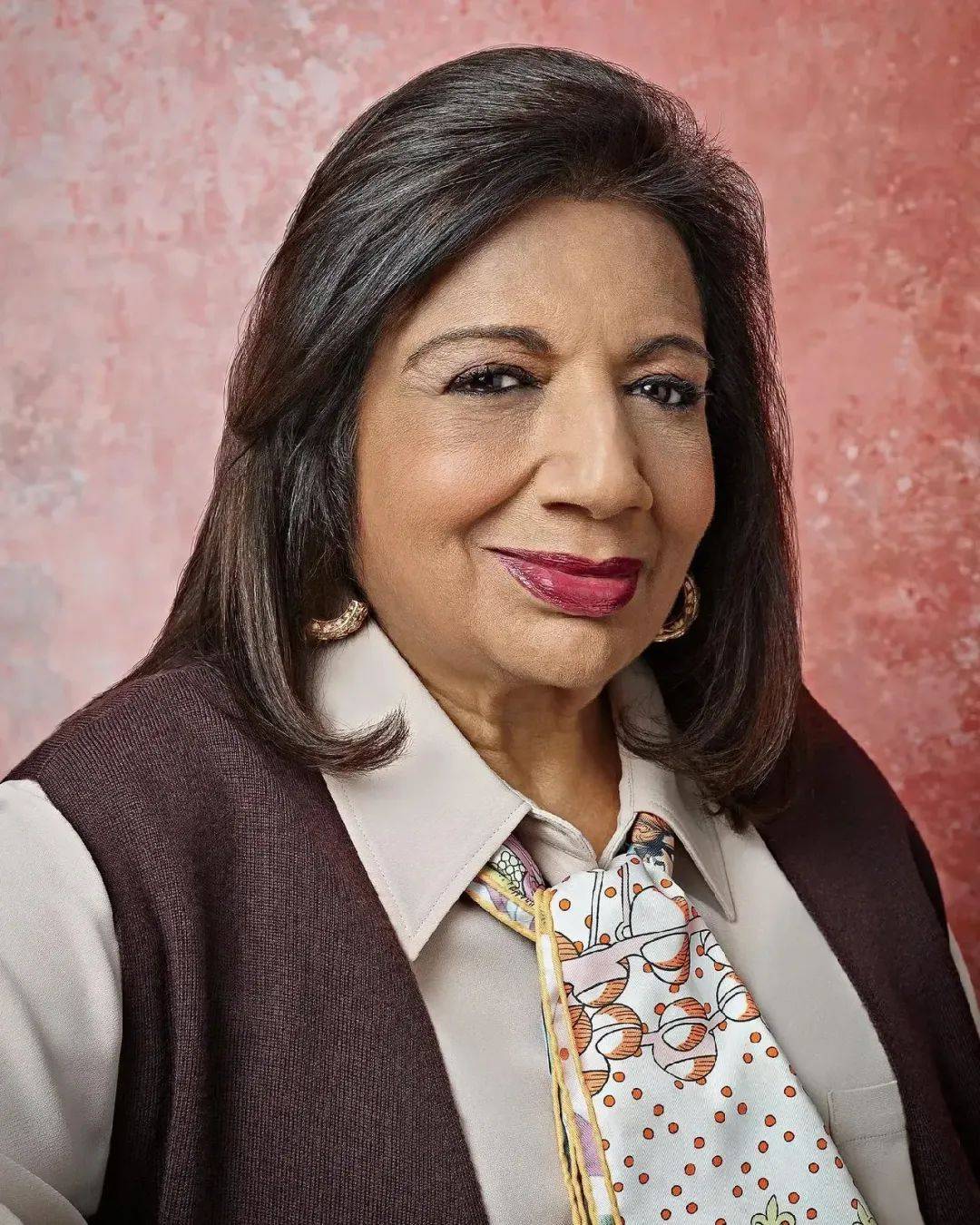
72岁印度女富豪:从酿啤酒到做“假药”
Sou Hu Cai Jing· 2025-06-07 06:36
Core Insights - Kiran Mazumdar-Shaw transformed her initial setbacks in pursuing a brewing career into a successful international biopharmaceutical company, Biocon, making her one of the wealthiest self-made female entrepreneurs globally [2][3] Company Overview - Biocon was founded in 1978 in a makeshift facility in Bangalore, India, initially producing fermentation enzymes for clients like Ocean Spray [3] - The company transitioned to biopharmaceuticals in 2000, launching its first product, insulin, using yeast instead of genetically modified E. coli, which provided a cost advantage over Western pharmaceutical companies [6][8] - Biocon's revenue reached $1.9 billion, with a significant portion derived from biosimilars, which account for approximately 55% of the company's revenue [8] Market Position and Strategy - The biopharmaceutical market is expanding, with spending on biologics reaching $324 billion in 2023, although this figure does not account for discounts provided by brand-name companies [6][8] - Biocon has launched nine biosimilars, including products that compete with AbbVie's Humira and Genentech's Herceptin, with seven approved for sale in the U.S. [9][10] - The company aims to introduce a new drug annually in the U.S. and Europe until 2030, with plans to launch a biosimilar for Regeneron's Eylea by the end of the year [11] Competitive Landscape - Biocon competes with major players like Sandoz, Samsung Biologics, and Amgen, particularly in emerging markets where it holds a significant market share of up to 80% for several biosimilars [10] - The U.S. market presents challenges due to the need to negotiate with pharmacy benefit managers (PBMs) for drug inclusion in insurance coverage, alongside potential tariffs on imported drugs [10] Future Outlook - The company is positioned for growth, with an estimated 118 biologic drug patents expiring by 2035, creating opportunities for biosimilar development [8] - Mazumdar-Shaw emphasizes the humanitarian aspect of the business, aiming to provide affordable healthcare solutions [12]