芯位教育平台

Search documents
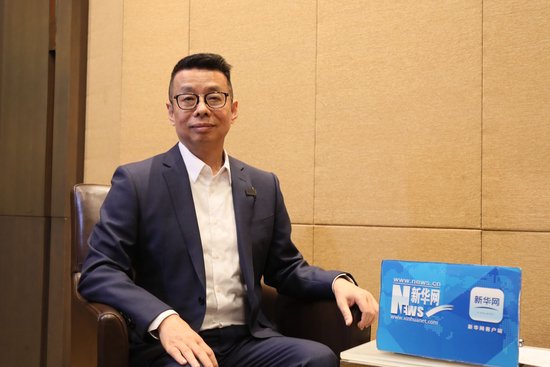
吉利人才发展集团CEO陆丹:AI重构高等教育生态 融合赋能全球教育发展
Xin Hua Wang· 2025-11-30 13:56
Core Viewpoint - The integration of artificial intelligence (AI) is fundamentally reshaping higher education, emphasizing the need for digital and personalized transformation in the industry [1][3]. Group 1: AI and Education Integration - AI is not merely a tool but should be embedded within the educational framework, requiring an open and inclusive standard system to foster innovation [3][4]. - The development of a native AI-based smart campus architecture by Chip Education focuses on a modular and highly compatible structure, allowing for diverse technology and resource integration [3][5]. - The concept of a "honeycomb platform" is introduced, which facilitates efficient knowledge absorption and sharing, breaking down traditional barriers in education [4][5]. Group 2: Empowering Teaching and Learning - Educators must adapt to the AI wave, focusing on areas where AI cannot replace human roles, while also leveraging AI to enhance learning efficiency [5][6]. - Chip Education has developed targeted solutions, including knowledge graphs and intelligent frameworks, to support academic training and enable teachers to create personalized AI assistants [5][6]. - A foundational academic training is necessary for learners to effectively interact with AI systems, suggesting a blended approach to education [6][7]. Group 3: Global Resource Integration - The "Three Campuses" concept aims to break down geographical and temporal barriers, facilitating global resource sharing and collaboration in education [6][7]. - Chip Education has established over 30 partnerships with institutions worldwide, demonstrating the urgent need for integrated educational resources [7][8]. - The integration of industry and education is recognized as essential, with a focus on cross-border collaboration and the development of localized talent [7][8]. Group 4: Innovative Education Export - Chip Education's approach to "education going global" combines industry and education, creating a collaborative model that meets diverse needs [8][9]. - The "2+2" talent cultivation model is being explored, which balances local and Chinese educational experiences, providing a cost-effective pathway for international students [8][9]. - This model aims to showcase China's unique exploration of education and industry collaboration, offering a viable example for global educational practices [9].