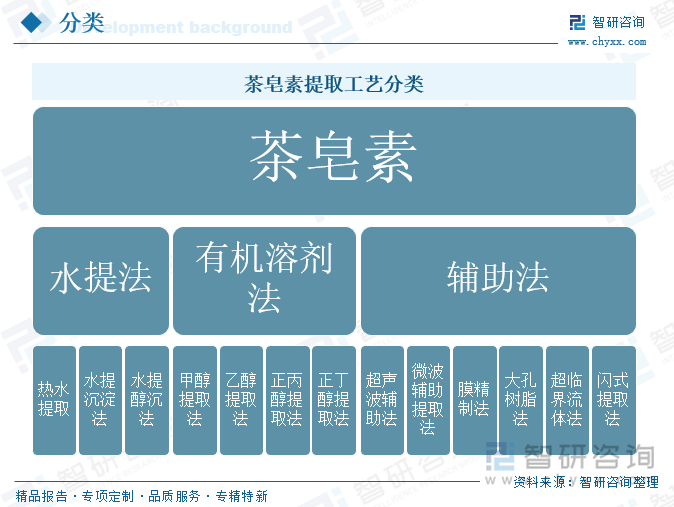
茶皂素

Search documents
南粤油茶香 绿色富民兴 ——广东推进油茶产业高质量发展创新实践
Nan Fang Nong Cun Bao· 2025-12-16 09:04
Core Viewpoint - Guangdong is advancing the high-quality development of the oil tea industry, integrating ecological construction with economic growth, and aiming to enhance the industry's value and sustainability [2][3][4]. Group 1: Industry Development Goals - By the end of 2025, Guangdong aims to complete the national forestry bureau's three-year action tasks, including the establishment of 756,000 acres of new oil tea plantations and the improvement of 171,000 acres of low-yield forests [6]. - The province's oil tea planting area is expected to stabilize at around 3.6 million acres, with seed production reaching 250,000 tons and tea oil production approximately 56,000 tons, resulting in a comprehensive output value exceeding 10 billion yuan [7][8]. Group 2: Key Practices for Development - The strategy includes expanding oil tea planting areas, particularly in traditional production regions and suitable areas in eastern Guangdong, with 683,600 acres of new plantations established over the past three years [12]. - Efforts to improve low-yield forests have led to the renovation of 189,200 acres, while high-standard production bases are being developed to enhance quality and efficiency [14][15]. Group 3: Quality Improvement Initiatives - The province has identified eight breakthrough superior varieties that increase oil yield by over 27%, and has created 183 new quality varieties [16][17]. - A total of 32 high-yield demonstration bases are planned for 2024-2025, focusing on integrated cultivation techniques and cost-reduction strategies that have already lowered costs by 36% and increased yields by 37.14% [20][21]. Group 4: Value Expansion Strategies - The establishment of the "Yue Lin Tea Oil" regional public brand aims to enhance competitiveness and promote the oil tea industry through various marketing initiatives [25][26][33]. - The industry chain is being extended through financial support for secondary and tertiary production, including the development of skincare products and other derivatives [34][35]. Group 5: Systematic Support and Policy Framework - The provincial government has introduced policies to support the oil tea industry, integrating it into broader ecological and economic development plans [39][40]. - Financial incentives include a total of over 400 million yuan in subsidies for 2024 and 2025, alongside insurance support for oil tea crops [44][46]. Group 6: Achievements and Market Impact - In 2023, the oil tea planting area reached 3 million acres, with tea oil production at 45,000 tons, and projections for 2024 indicate a planting area of 3.24 million acres and production of 50,700 tons, with a total output value exceeding 10 billion yuan [48][49]. - The establishment of a comprehensive brand system has led to the recognition of 158 tea oil brands, enhancing market competitiveness and brand awareness [57][59]. Group 7: Socioeconomic Benefits - The oil tea industry has become a significant source of income for farmers in mountainous areas, with innovative profit-sharing mechanisms providing diverse income channels [60][61]. - Collaborative models involving enterprises, cooperatives, and farmers have resulted in annual income increases of 9,000 to 10,000 yuan for participating households [63].


湖南永兴探索“补贴+保险”政策包 护航油茶种植助农增收
Zhong Guo Xin Wen Wang· 2025-10-23 11:47
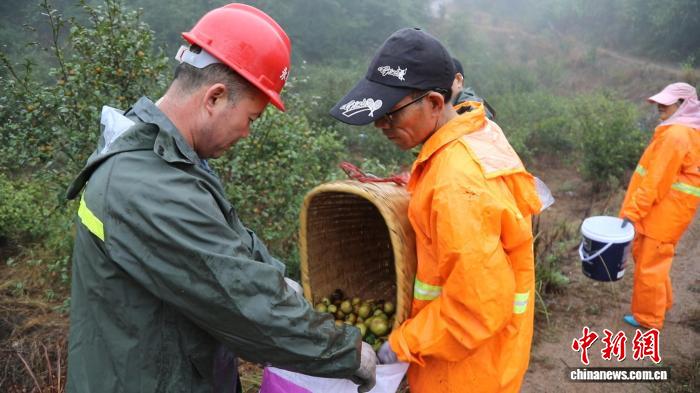
Core Viewpoint - Hunan Yongxing County has introduced a "subsidy + insurance" policy package to support the oil tea planting industry, aiming to enhance farmers' income and ensure sustainable development of the industry [1][2]. Group 1: Policy Implementation - The county has allocated 7.2 million yuan for the transformation of 12,000 mu of low-yield oil tea forests, providing subsidies of 500 to 1,000 yuan per mu [2]. - An additional 6 million yuan is designated for the cultivation of 20,000 mu of young forests, along with 1 million yuan for the establishment of a 400 mu mechanized demonstration base [2]. - A total of 1.32 million yuan has been allocated for insurance coverage of 110,000 mu of oil tea forests, establishing a risk prevention mechanism for the industry [2]. Group 2: Industry Development - The oil tea industry faces significant investment and long cycles, with natural and market risks being major constraints [2]. - The "subsidy + insurance" policy effectively addresses these challenges by reducing upfront costs for farmers and providing insurance against natural disasters [2]. - Yongxing County has partnered with Hunan Academy of Forestry Sciences to introduce seven improved oil tea varieties and establish a 120 mu seedling breeding base, enhancing the supply of quality seedlings [3]. Group 3: Production and Economic Impact - The county has developed 70.85 million mu of oil tea forests, nurturing 128 large planting households, 15 professional companies, and 28 cooperatives [3]. - In 2024, the expected annual production of oil tea seeds is 52,000 tons, with a total output value exceeding 2.569 billion yuan [3]. - The county has 77 oil tea processing enterprises, with four equipped with automated production lines, achieving a production of 1,208 tons of tea oil, 11,000 tons of tea pomace, and 560 tons of tea saponin in 2023 [3].
2025年中国茶皂素行业发展背景、产业链、产量、市场规模及发展趋势研判:行业产量基本维持在2万吨左右,未来生产工艺有望进一步优化[图]
Chan Ye Xin Xi Wang· 2025-07-25 01:17
Core Viewpoint - The tea saponin industry is experiencing steady growth due to increasing market demand across various sectors such as pharmaceuticals, cosmetics, and agriculture, with production expected to rise from 20,000 tons to 27,700 tons by 2024, reflecting a year-on-year increase of 1.5% [1][12]. Industry Overview - Tea saponin, also known as tea saponin glycoside, is derived from the Camellia family plants and exhibits multiple surface-active properties, making it suitable for applications in daily chemicals, agriculture, and pharmaceuticals [3][4]. - The extraction methods for tea saponin include water extraction, organic solvent extraction, and assisted methods, with advancements in technology expected to enhance purity levels significantly [4][22]. Production and Supply Chain - The primary production regions for tea saponin in China include Hunan, Jiangxi, and Zhejiang, which are rich in tea resources and have established processing technologies [1][12]. - The cultivation area for tea trees is projected to grow from 4.598 million acres in 2019 to 5.250 million acres by 2024, driven by rising consumer demand for tea [8]. Market Dynamics - The market size for the tea saponin industry is anticipated to grow from 1.2 billion yuan in 2019 to 2.7 billion yuan by 2024, with a compound annual growth rate (CAGR) of 17.6% [14]. - The chemical pesticide industry in China is also expanding, with raw material production increasing from 2.1181 million tons in 2019 to 3.675 million tons by 2024, further driving the demand for tea saponin as a pesticide additive [10]. Competitive Landscape - The tea saponin industry is primarily composed of small to medium-sized enterprises, with key players including Hangzhou Jiusheng Biotechnology Co., Ltd., Jiangxi Green Sea Oil Co., Ltd., and Guangdong New Dadi Biotechnology Co., Ltd., leveraging regional resource advantages [16][18]. Future Trends - There is an expected increase in the supply of high-purity tea saponin products due to advancements in extraction technologies, which will enhance production efficiency and purity [22]. - The demand for tea saponin is projected to rise across various sectors, including personal care, agriculture, and healthcare, as it serves as a natural alternative to synthetic products [23]. - The industry is also moving towards greener practices, with a focus on sustainable production methods and the replacement of traditional petrochemical products with natural alternatives [24].