绿色环保

Search documents
光大环境(00257.HK):归母净利/每股派息齐增 固废龙头经营拐点显现
Ge Long Hui· 2026-03-28 07:27
Core Viewpoint - The company experienced a decline in revenue but achieved a significant increase in net profit due to a higher proportion of construction revenue and reduced impairments [1][2]. Group 1: Financial Performance - In 2025, the company reported an operating income of 27.521 billion HKD, a year-on-year decrease of 9.05%, primarily due to a reduction in new projects leading to lower construction revenue [1]. - The net profit attributable to shareholders reached 3.925 billion HKD, reflecting a year-on-year growth of 16.23%, driven by an increase in the proportion of higher-margin construction revenue and a reduction in impairments [1]. - The gross margin for the reporting period was 40.28%, an increase of 2.15 percentage points year-on-year, while the net margin improved to 17.1%, up by 4 percentage points [1]. Group 2: Segment Performance - The Environmental Energy segment generated revenue of 15 billion HKD, down 6% year-on-year, with operating income of 10.1 billion HKD (up 4%) and construction income of 1.3 billion HKD (down 49%) [1]. - The Environmental Water segment reported revenue of 5.4 billion HKD, a decline of 22%, with operating income of 3 billion HKD (up 5%) and construction income of 1.3 billion HKD (down 56%) [2]. - The Green Environmental segment achieved revenue of 6.7 billion HKD, down 4%, with operating income of 6.3 billion HKD (down 2%) and construction income of 0.1 billion HKD (down 59%) [2]. Group 3: Dividend Policy - The company has enhanced its dividend capability and willingness, with a proposed dividend of 0.27 HKD per share for 2025, increasing the payout ratio from 41.8% in 2024 to 42.3% [2]. - The absolute value of dividends rose from 1.41 billion HKD to 1.66 billion HKD, corresponding to a dividend yield of approximately 5.2% based on the closing price on March 23, 2026 [2]. Group 4: Investment Outlook - The company has raised its profit forecasts and target price, maintaining an "outperform" rating, citing the increasing proportion of higher-margin operating income and improved cash flow [3]. - Projected net profits for 2026-2028 are estimated at 4.127 billion HKD, 4.386 billion HKD, and 4.475 billion HKD, with year-on-year growth rates of 5.1%, 6.3%, and 2.0% respectively [3]. - The current stock price corresponds to a PE ratio of 7.7, 7.2, and 7.1 times for the years 2026-2028, with a fair valuation estimated between 5.75 and 6.03 HKD, indicating a premium of 11%-16% over the current stock price [3].
李宁集团发布2025年全年业绩:收入295.98亿,毛利为144.89亿
Xin Lang Ke Ji· 2026-03-20 09:25
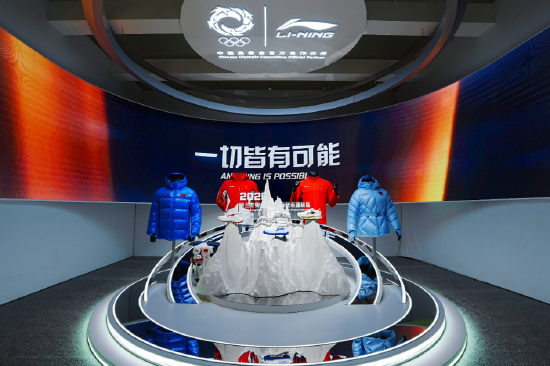
Core Insights - Li Ning Company Limited announced its audited consolidated performance for the year ending December 31, 2025, reporting a revenue of 29.598 billion RMB, an increase of 3.2% compared to the same period in 2024 [1] - The gross profit reached 14.489 billion RMB, up 2.4% year-on-year, with an overall gross margin of 49.0% [1] - The company generated a net cash flow from operating activities of 4.852 billion RMB, with basic earnings per share of 1.1391 RMB [1] - The board proposed a final dividend of 0.2336 RMB per ordinary share, bringing the total dividend for the year to 0.5695 RMB per share, with a payout ratio of 50% [1] Channel Development - The company successfully opened an outdoor independent store "COUNTERFLOW" and collaborated with cultural institutions like the Palace Museum [1] - As of December 31, 2025, the number of Li Ning sales points reached 7,609, with a net increase of 24 stores year-on-year [1] - Key IP products such as "Chasing Wind," "DLO," "ULTRALIGHT," and "Blade" performed exceptionally well, ranking high in sales and reputation across various segments [1] Supply Chain and Digitalization - The company implemented segmented production planning and data management to enhance coordination among product planning, supply chain, logistics, and sales [2] - Li Ning promoted green products, exceeding targets for the proportion of environmentally friendly products [2] - A collaborative goods warehousing system was introduced, with RFID full-process management expected to be completed across all warehouses by Q1 2026 [2] Future Strategy - For 2026, the company plans to focus on a "single brand, multiple categories, and multiple channels" development strategy, leveraging technology for product upgrades [2] - The company aims to drive value creation through sports marketing, enhancing brand value steadily [2] - Continuous improvement in business quality and efficiency will be pursued, alongside exploring new business models [2] - Strengthening core capabilities in talent, finance, and digitalization will be prioritized, integrating AI and big data into operations [2] Industry Outlook - The company’s executive chairman, Li Ning, highlighted that 2026 marks the beginning of the "14th Five-Year Plan," with the national strategy aimed at enhancing sports consumption and transforming the sports goods manufacturing industry [3] - The potential for domestic demand is expected to provide solid support and a broad platform for the sports industry [3]


全球及中国无纺土工布行业研究及十五五规划分析报告2026版
QYResearch· 2026-03-06 01:11
Industry Overview and Market Size - Non-woven geotextiles are synthetic materials made primarily from polypropylene or polyester fibers, produced through non-woven processes such as needle punching, thermal bonding, or water entanglement, offering good permeability, filtration, isolation, and reinforcement properties [4] - The global non-woven geotextile market was valued at approximately $3.27 billion in 2021 and is projected to reach $4.12 billion by 2025, with a compound annual growth rate (CAGR) of 5.96% from 2021 to 2025. By 2032, the market is expected to grow to $6.71 billion, with a CAGR of 7.16% from 2026 to 2032 [5][8] Market Growth Drivers - The growth of the non-woven geotextile market is primarily driven by increased infrastructure investment and rising demand for high-performance geosynthetic materials in water conservancy, environmental protection, and transportation projects [8] - Urbanization, sponge city construction, and improved engineering quality standards are enhancing the penetration of non-woven geotextiles in drainage, filtration, and protective applications, contributing to steady market expansion [8] Competitive Landscape - The global non-woven geotextile market is highly fragmented, with key players including Solmax, Hanes GEO Components, Magnera, Maccaferri, DuPont, and others. The top five manufacturers are expected to hold about 11% of the market share by revenue in 2025 [9] Product Types and Applications - The non-woven geotextile market can be segmented by raw materials into polypropylene, polyester, nylon, and others, with polypropylene products accounting for approximately 70% of the revenue share in 2025 [12] - The primary applications of non-woven geotextiles include roads and bridges, construction, agriculture, and dams, with roads and bridges together expected to capture about 57% of the market share by revenue in 2025 [14] Industry Characteristics - Demand for non-woven geotextiles is significantly influenced by the construction cycle, closely correlating with investments in transportation, municipal, water conservancy, and environmental projects, exhibiting cyclical and regional fluctuations [19] - The industry is shifting from price competition to technology-driven competition, with companies focusing on quality, brand, and technological differentiation to enhance competitiveness [21] Industry Development Trends - The global non-woven geotextile market is expected to continue growing, driven by downstream demand from infrastructure construction, roads, bridges, railways, and environmental projects [22] - There is a growing emphasis on environmental sustainability, with the development and application of biodegradable and recyclable raw materials to meet carbon reduction goals and sustainable development needs [22] - Technological innovations are enhancing the performance of non-woven geotextiles, improving key attributes such as strength, durability, and impermeability, thereby increasing their application value in complex engineering scenarios [22] Key Driving Factors - The application scope of geotextiles is expanding, with increasing recognition of their functions in drainage, isolation, reinforcement, and environmental protection, leading to rapid growth in non-traditional applications such as landfill protection and water conservancy [23] - Rising domestic requirements for ecological protection and green construction are making sustainable and environmentally friendly non-woven geotextiles a preferred alternative to traditional materials, boosting market demand [23] - Continued large-scale infrastructure investment by the government in transportation, urban construction, and water conservancy is significantly increasing the demand for non-woven geotextiles in projects such as roads, railways, bridges, and airports [24] Internationalization and Opportunities from the Belt and Road Initiative - The Belt and Road Initiative is expected to release concentrated infrastructure demand in participating countries, with strong demand for geosynthetic materials in railways, highways, ports, water conservancy, and municipal projects [25] - Chinese companies participating in Belt and Road projects often adopt EPC or general contracting models, facilitating the export of domestic non-woven geotextile products alongside engineering projects [25] - Bilateral and multilateral cooperation under the Belt and Road framework is reducing market entry barriers for non-woven geotextiles, providing convenience in tariffs, customs, and project cooperation mechanisms [25]

2026中国国际五金展(CIHS)暨上海科隆五金展9月28-30日
Sou Hu Cai Jing· 2026-02-27 02:50
Core Insights - The 2026 China International Hardware Show (CIHS) will take place from September 28 to 30, 2026, at the Shanghai New International Expo Center, co-hosted by the China Hardware Products Association and Koelnmesse GmbH, with an exhibition area of 120,000 square meters and an expected attendance of nearly 3,000 exhibitors from over 60 countries and regions, attracting more than 80,000 professional buyers, with over 10% being overseas purchasers [1][2]. Exhibition Overview - The exhibition will cover a wide range of products, including hand tools, power tools, pneumatic tools, garden tools, architectural hardware, fasteners, locks, smart security systems, pumps, compressors, motors, bearings, welding equipment, cutting tools, and innovative solutions in industrial technology and green solutions [4][6]. Industry Background - The Chinese hardware industry is transitioning from a "manufacturing powerhouse" to an "innovation-driven" economy, with the market size expected to exceed 750 billion yuan by 2025 and reach a trillion yuan by 2030. The demand for high-value, intelligent, and environmentally friendly products is increasing, driven by dual carbon goals and smart manufacturing strategies [5]. Target Audience and Value Proposition - The exhibition aims to serve various sectors, including wholesalers, manufacturers, real estate developers, and end consumers, providing a comprehensive platform for procurement, product innovation, and market feedback [7][13]. Key Highlights - CIHS 2026 will introduce an AI-powered global trade matching system to enhance the efficiency of business connections, targeting over 48% of Asian buyers and 31% of European core purchasers [9]. - The "Smart Chain Global" summit will focus on the "Tool Export 3.0" strategy, discussing localized services and green trade barriers, such as the EU's Carbon Border Adjustment Mechanism (CBAM) [10][11]. Conclusion - The CIHS 2026 represents a pivotal moment for the Chinese hardware industry, evolving from mere product trading to a platform that integrates cutting-edge technology, strategic insights, and global resources, aiming to position Chinese hardware enterprises as key players in innovation and sustainable development within the global supply chain [14].

小手拉大手,垃圾分类从“新时尚”到“好习惯”
Xin Lang Cai Jing· 2026-02-26 16:38
Group 1 - The core idea of the articles is the promotion of waste sorting and environmental awareness among children and families in Hefei, transforming it from a government initiative into a community practice [2][3] Group 2 - In Hefei's Luyang District, children are engaged in waste sorting education through interactive activities led by environmental teams, fostering a sense of responsibility towards waste management [2] - The community of Bagou organized a themed event during the winter break, educating youth on the importance of recycling and proper waste disposal, highlighting the environmental impact of waste [2] - The "Seed Plan" in Yaohai Community includes a parent-child environmental practice activity, where families participate in cleaning efforts and are incentivized through a tracking system for proper waste disposal [3] - Advanced technologies such as AI visual recognition and aerial imaging are being integrated into Hefei's waste management system, with 63 smart waste disposal stations and 2,889 intelligent recycling cabinets established [3] - The city aims to transition all 4,985 waste disposal points to smart systems, enhancing real-time monitoring and data collection on waste disposal behaviors [3]

趋势研判!2026年中国润滑油行业经营模式、相关政策、产业链、市场规模、竞争格局及发展趋势:受下游需求推动,市场规模将达976.61亿元[图]
Chan Ye Xin Xi Wang· 2026-02-26 01:23
Core Viewpoint - The lubricating oil market in China is experiencing significant growth, driven by industrial demand and expected to reach a market size of 971.12 billion yuan by 2025, with a slight increase to 976.61 billion yuan by 2026 [1][6]. Industry Definition and Classification - Lubricating oil is defined as a viscous liquid applied to the surfaces of moving parts in machinery, categorized into industrial lubricating oil and automotive lubricating oil [2][6]. - Automotive lubricating oil includes engine oil, coolant oils, transmission oils, gear oils, and brake fluids, with various classification standards based on product origin, usage, machinery type, and viscosity [2]. Current Development Status - The demand for lubricating oil is expected to continue growing due to the increasing need for machinery across various industries, with automotive lubricating oil accounting for over half of the market [6][7]. - By 2025, the automotive lubricating oil market is projected to be 532.5 billion yuan, representing 54.83% of the total market, while industrial lubricating oil is expected to reach 438.62 billion yuan, or 45.17% [7][8]. Industry Supply Chain - The upstream of the lubricating oil industry includes raw materials such as petroleum, additives, and base oils, while the midstream focuses on production and manufacturing [8]. Competitive Landscape - The global lubricating oil market is dominated by nine major companies, including Shell, ExxonMobil, and BP, with significant revenue figures reported for the first half of 2025 [9]. - In China, the top ten lubricating oil companies hold a market share of 70%, indicating a concentrated market [10]. Development Trends - The lubricating oil industry is moving towards green and environmentally friendly practices, with an emphasis on developing eco-friendly lubricants [6]. - There is a growing demand for high-performance lubricating oils, necessitating advancements in product quality and longevity [6]. - The integration of smart manufacturing technologies is expected to enhance the production processes within the lubricating oil industry [6].



2026年中国贵金属工艺品行业产业链、产量、需求量、市场规模、竞争格局及发展趋势分析研判:行业展现出巨大的市场潜力和发展空间[图]
Chan Ye Xin Xi Wang· 2026-02-26 01:23
Core Insights - The precious metal handicraft industry in China is experiencing significant growth due to rising consumer demand driven by economic growth and increased income levels, with a shift towards both material and cultural consumption [1][2][4] - The market for precious metal handicrafts is projected to reach approximately 200 billion yuan by 2025, with gold handicrafts accounting for about 185.96 billion yuan, representing 92.98% of the market [1][4] Industry Definition and Classification - Precious metal handicrafts are defined as cultural creative products made from gold, silver, and other precious metals, showcasing high design, craftsmanship, and commemorative value [2] - The industry can be categorized based on material (pure gold, pure silver, and gold-silver inlaid products) and form (coins, medals, bars, and three-dimensional items) [2] Current Development Status - The production of precious metal handicrafts in China is expected to grow from 175.93 million pieces in 2017 to 292.30 million pieces by 2025, while demand is projected to rise from 160.29 million pieces to 265.70 million pieces during the same period [2][4] Market Size and Structure - The market size for precious metal handicrafts in China is estimated to be around 200 billion yuan in 2025, with gold handicrafts making up approximately 185.96 billion yuan and silver handicrafts about 12.14 billion yuan [1][4] Industry Supply Chain - The supply chain for the precious metal handicraft industry includes raw materials such as gold, silver, platinum, and palladium, with upstream activities involving mining and refining, midstream focusing on production and processing, and downstream encompassing sales channels like banks and jewelry stores [4] Competitive Landscape - The industry has numerous manufacturers, but only about 20 major companies dominate the market, particularly those with comprehensive capabilities from R&D to production and sales [6][8] - Key players include China Gold Coin, China Mint, Guojin Gold, and Jin Yi Culture, which focus on various aspects of precious metal handicraft production [6][8] Future Development Trends - The precious metal handicraft industry is expected to continue growing, driven by consumer demand for innovative and culturally rich products, with a focus on sustainability and environmental considerations [9] - Companies are increasingly integrating cultural elements with modern trends in product development, enhancing the market appeal and collectible value of their offerings [9]


刘强东进军游艇业,本人发声:系个人投资,希望能造出10万元的游艇,让工薪阶层也用得起
Sou Hu Cai Jing· 2026-02-24 15:45
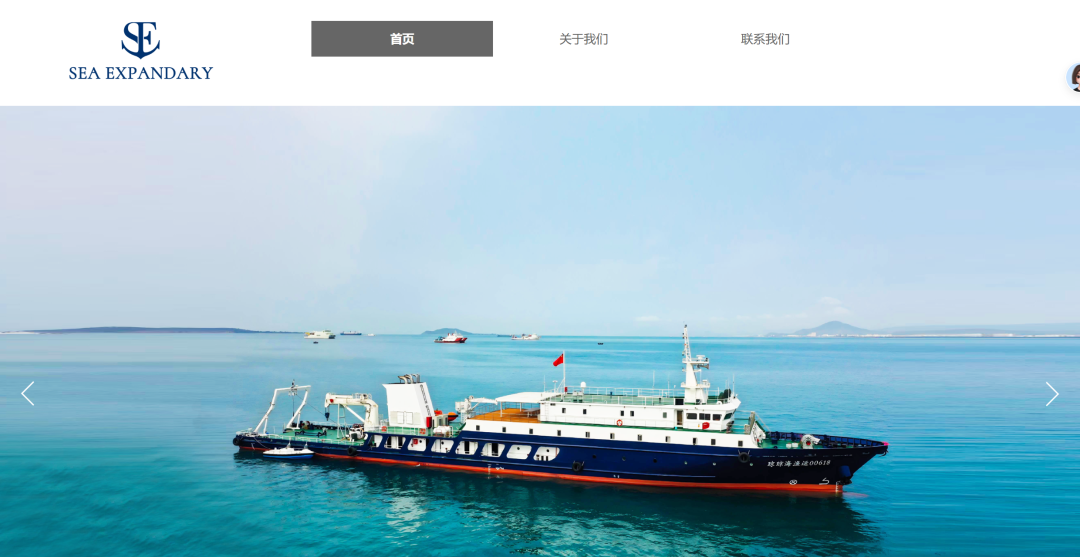
Core Insights - Liu Qiangdong has launched a new yacht brand, Sea Expandary, focusing on redefining the yacht industry with a commitment to 100% renewable energy yachts aimed at making them affordable for the average worker [1][2] - The company plans to invest 5 billion yuan in the yacht manufacturing sector, addressing the current underinvestment in China's yacht industry [1][7] Group 1: Company Strategy and Vision - Sea Expandary aims to establish a comprehensive yacht ecosystem, including R&D, manufacturing, global sales, and marine services, positioning itself as a leader in green and intelligent yacht production [2][6] - The brand will focus on smart, renewable energy yachts that utilize AI and robotics to enhance safety, comfort, and environmental sustainability [2][3] - Liu Qiangdong envisions a future where yachts operate without traditional crew roles, relying on advanced technology for safety and efficiency [3] Group 2: Market Context and Growth Potential - The Chinese yacht market is experiencing rapid growth, with new registrations accounting for 54.7% of the total yacht count in the last three years, and an expected total of 9,850 registered yachts by the end of 2025 [7][8] - Despite the growing demand, China's yacht manufacturing industry remains underdeveloped, with a projected output value of only 12.8 billion yuan in 2024 and a global market share of less than 4% [7][8] - Recent government policies are encouraging the development of the yacht industry, aiming to enhance service consumption and promote high-quality yacht consumption [8]

刘强东个人创立游艇独立品牌,和深圳、珠海政府签约
Nan Fang Du Shi Bao· 2026-02-24 14:45
Core Viewpoint - Liu Qiangdong's newly established yacht brand Sea Expandary aims to fill a gap in China's yacht manufacturing industry by focusing on green and intelligent yachts, leveraging advanced technologies to redefine the industry [2][10]. Group 1: Company Overview - Sea Expandary has signed strategic cooperation agreements with governments in Shenzhen and Zhuhai, marking its entry into the yacht industry [1]. - The brand is positioned as a global leader in the green and intelligent yacht ecosystem, integrating R&D, manufacturing, global sales, and marine services [3]. - Liu Qiangdong has committed an investment of 5 billion yuan to ensure competitiveness with global leaders, as domestic yacht investments are generally low [1]. Group 2: Product and Technology Focus - Sea Expandary will focus on new energy and intelligent yachts, utilizing AI and robotics to enhance safety, intelligence, and environmental sustainability [4]. - The yachts will be designed to charge using wind and solar energy, allowing for sufficient power for weekend use [4]. - The company plans to eliminate traditional components like gearboxes in favor of electric propulsion for a quieter and smoother experience [5]. Group 3: Market Context and Growth Potential - The Chinese yacht market is experiencing rapid growth, with new registrations accounting for 54.7% of the total yacht count in recent years [7]. - Despite the growth in demand, China's yacht manufacturing industry remains underdeveloped, with a projected output value of only 12.8 billion yuan in 2024 [8]. - Currently, China's yacht manufacturing market holds less than 4% of the global market share, indicating significant room for growth [9]. Group 4: Strategic Location and Development Plans - Sea Expandary plans to establish a yacht manufacturing base in Zhuhai and a headquarters in Shenzhen, focusing on innovation and operational services [1][7]. - The company aims to create a demonstration base for the yacht industry in the Guangdong-Hong Kong-Macao Greater Bay Area, leveraging local manufacturing and talent advantages [7]. - Recent government policies are encouraging the development of the yacht industry, aiming to make it a new economic highlight for various regions [9].
研判2026!中国烘鞋器行业发展背景、产业链、市场规模、竞争格局、发展趋势:场景拓展与全球化推动,行业市场规模持续上涨[图]
Chan Ye Xin Xi Wang· 2026-02-23 01:32
Core Insights - The shoe dryer industry has experienced steady growth driven by three core factors: population expansion, increased awareness, and demand upgrades [1][7] - The market for shoe dryers in China is projected to reach 1 billion yuan by 2025, with a year-on-year increase of 25.0% [1][8] Market Overview - Shoe dryers, also known as drying machines, are small appliances designed for drying shoes, featuring functions such as drying, sterilization, and deodorization [3] - The primary consumer base for shoe dryers is concentrated in humid southern regions of China, with expanding demand from outdoor workers and sports enthusiasts [1][7] - The shift from low-cost homogenization to high-end differentiation in product structure is a key driver of industry growth [1] Economic Factors - The growth in disposable income and consumer spending in China is a significant factor driving the expansion of the shoe dryer market [4] - From 2020 to 2025, China's per capita disposable income is expected to rise from 32,189 yuan to 43,377 yuan, while per capita consumption expenditure is projected to increase from 21,210 yuan to 29,476 yuan [4][5] Industry Chain - The shoe dryer industry supply chain includes upstream raw materials like engineering plastics and metals, midstream manufacturing, and downstream sales channels such as e-commerce platforms and physical stores [6] - By 2025, major online sales channels for shoe dryers will be Taobao/Tmall and JD.com, accounting for 60% of the market share [6] Competitive Landscape - The shoe dryer industry is transitioning from homogeneous competition to segmented competition, with traditional appliance brands entering the market [9] - Key players in the industry include Chengdu Rainbow Electric Group, Zhejiang Superman Technology, and Guangdong Zhigao Air Conditioning [9][10] Development Trends - The integration of IoT and AI technologies is driving the smart development of shoe dryers, enhancing user experience through features like automatic moisture detection and remote control via mobile apps [11] - The application of shoe dryers is expanding beyond households to include schools, gyms, and hotels, addressing collective living and public health needs [12] - Environmental sustainability is becoming a core competitive advantage, with companies adopting energy-efficient technologies and eco-friendly materials [13]