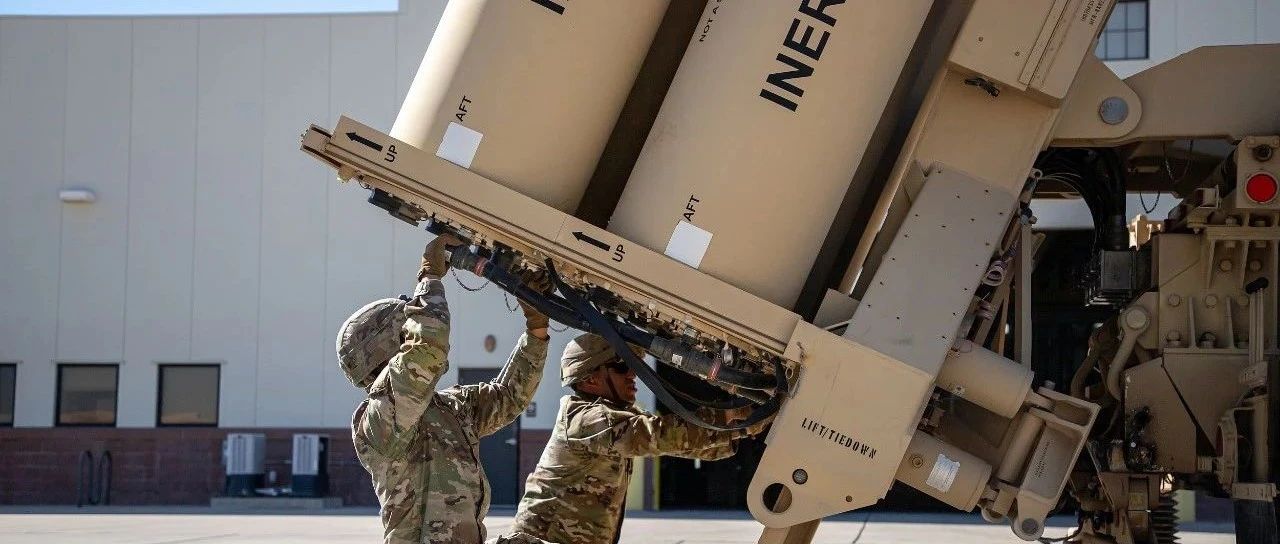
萨德导弹防御系统

Search documents
卫星图曝光!美军4处“萨德”反导雷达遭袭!其第三个航母打击群据称准备部署至中东
证券时报· 2026-03-07 04:11
Core Viewpoint - The article discusses the recent military actions involving the U.S. and Israel against Iran, highlighting the impact on radar systems deployed in several Middle Eastern countries and the ongoing military strategy of the U.S. in the region [1][2][3]. Group 1: Military Actions and Impacts - Following the large-scale attack on Iran by the U.S. and Israel on February 28, satellite images confirmed that five radar system locations in multiple Middle Eastern countries were attacked by Iran [1]. - The attacked radar systems were located in Saudi Arabia, Jordan, Qatar, and two sites in the UAE, with four of these sites housing the "THAAD" missile defense system, which is crucial for detecting incoming missiles and drones [2]. - Iranian media reported that the Islamic Revolutionary Guard Corps launched multiple missiles and drones, destroying U.S. "THAAD" radar systems in the UAE and Jordan, as well as the U.S. FPS-132 radar in Qatar [2]. Group 2: U.S. Military Strategy - The U.S. is reportedly preparing to deploy a third aircraft carrier strike group, led by the "USS George H.W. Bush," to the Middle East, although specific deployment times and durations have not been disclosed [2]. - The White House Press Secretary stated that the U.S. is steadily advancing its control over Iranian airspace, with expected goals to be achieved within four to six weeks [3]. - President Trump emphasized that the U.S. would not reach any agreement with Iran other than "unconditional surrender," which is defined as Iran ceasing to pose a threat and fulfilling military objectives, regardless of any public declaration from Iran [3].


中东,又变天了?
Xin Lang Cai Jing· 2026-01-11 01:45
Core Viewpoint - The Middle East is experiencing a temporary calm after two years of turmoil, but a lasting and just new order remains elusive, indicating a fragile balance of power without real conflict resolution [1][31]. Geopolitical Dynamics - The influence of major powers in the Middle East has become multipolar, with the U.S. maintaining the strongest overall influence, while the EU and China have notable economic impacts, and Russia plays a role in specific countries [3][19]. - Following the escalation of the Ukraine crisis, Russia's influence in the Middle East has waned, particularly after the fall of the Assad regime in Syria in December 2024, which diminished its strategic foothold [3][19][25]. U.S. Military Presence - The U.S. has increased its military presence in the region, with troop numbers rising from 35,000 to approximately 50,000, including two aircraft carrier battle groups and six B-2 bombers, enhancing its military cooperation with Israel [4][20]. - Despite political backlash from its support of Israel, the U.S. military influence has strengthened, leading to a more unilateral approach in regional issues [4][20]. Israel's Strategic Ambitions - Israel's military and expansionist policies have gained momentum, with a shift from managing conflicts to a strategy aimed at the complete destruction of Hamas and the disarmament of Hezbollah [6][21]. - The reversal of Israel's "land for peace" policy since 2024 has led to increased tensions and a bleak outlook for peace negotiations with Palestine [7][22]. Resistance Movements - The resistance front, including Hezbollah and Iranian-backed groups, has faced significant setbacks, particularly after the Gaza conflict, which marked a turning point in Iran's regional influence [8][24]. - Hezbollah has suffered heavy losses, with its leadership nearly decimated and 80% of its weaponry destroyed, significantly weakening its position [8][24]. Syrian Political Landscape - The fall of the Assad regime has led to a reconfiguration of alliances in Syria, with the new government seeking to establish friendly relations with countries excluding Iran, marking a significant shift in the geopolitical landscape [9][25]. - The ongoing military interventions by various powers, including the U.S., Turkey, and Israel, complicate Syria's political transition and increase the risk of renewed conflict [14][29]. Lebanon's Internal Dynamics - Lebanon is experiencing a significant political shift, with the future of Hezbollah's disarmament becoming a central issue in the power struggle among various factions [30]. - The internal political landscape is characterized by three main groups: Hezbollah, radical factions, and moderate parties, each backed by external powers, complicating the path to disarmament [30].
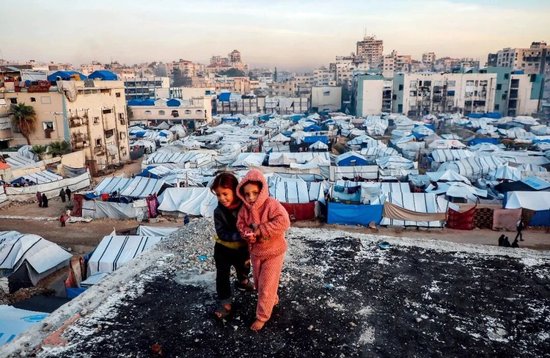
美军“爱国者”与“萨德”导弹防御系统参与以色列防空行动
财联社· 2025-06-14 02:41
Group 1 - The article reports that U.S. military personnel are operating the "Patriot" and "THAAD" missile defense systems, which were deployed during the Biden administration, to assist in Israel's air defense operations [1] - The scale of this operation is noted to be significantly smaller compared to the extensive involvement of U.S. air and naval forces in intercepting missiles during two retaliatory attacks by Iran last year [1]