
虚拟展厅

Search documents
用活态传承讲述文明嬗变
Xin Lang Cai Jing· 2026-01-14 22:46
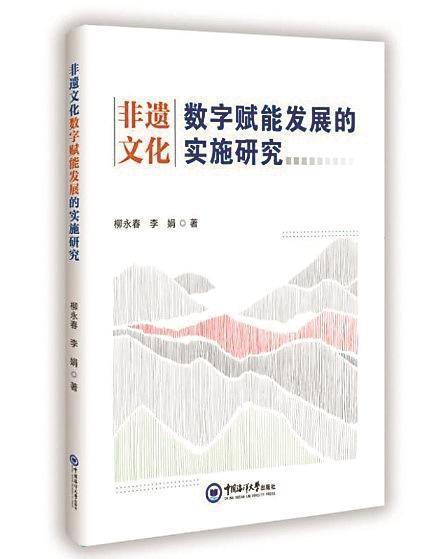
Core Viewpoint - The book "Research on the Implementation of Digital Empowerment for Intangible Cultural Heritage" emphasizes the transformation of traditional culture through digital technology, highlighting that intangible cultural heritage (ICH) is a living entity rather than a static exhibit, and digital technology serves as a bridge for its continuation and revitalization [3][4]. Group 1: Digital Empowerment of ICH - The core argument of the book is that digital technology injects new vitality into ICH in the digital age, breaking the temporal and spatial barriers of traditional transmission methods [4][5]. - Digital tools allow for precise recording and preservation of traditional techniques, such as Kunqu opera and Su embroidery, providing a reliable reference for successors and laying a foundation for future research [5][6]. - Digital dissemination methods, including themed short videos and virtual exhibitions, have expanded the reach of ICH, making it accessible to a broader audience [5][6]. Group 2: Cultural Diversity and Integration - The book showcases the diversity and inclusiveness of ICH, highlighting various regional and ethnic practices that contribute to the richness of Chinese culture [6][7]. - Digital technology facilitates the integration of ICH with modern design, animation, gaming, and film, resulting in culturally rich and fashionable products that appeal to contemporary audiences [6][7]. - Examples such as AI digital shadow puppetry illustrate how digital means can unite different ICH projects for online exhibitions and cultural exchanges, allowing for a comprehensive appreciation of Chinese ICH [6][7]. Group 3: Challenges and Future Directions - The book acknowledges that the digital empowerment of ICH faces challenges such as uneven technological application, insufficient content innovation, and lack of copyright protection [7]. - Some ICH projects in remote areas struggle with funding and technical support, hindering their digital transformation [7]. - The future of ICH relies on innovative methods that respect tradition while embracing digital opportunities, ensuring the cultural roots of the Chinese nation remain vibrant and enduring [7].

让静态文物成为生动教材 激发好奇心和想象力
Bei Jing Wan Bao· 2025-12-01 06:44
Core Insights - The exhibition "Tai Bao Yong Yan - Special Exhibition of Liuli River Site in Fangshan" at the Capital Museum showcased the charm of cultural heritage, attracting many visitors and highlighting the integration of cultural relics into modern creative products [1] - The Beijing Municipal Bureau of Cultural Relics reported significant developments in the "Museum City" initiative during the 14th Five-Year Plan, including the addition of 49 new registered museums and the opening of 56 new types of museums, bringing the total to 266 [2] - The Liuli River site, discovered 80 years ago, is recognized as the earliest urban relic in Beijing and has yielded important archaeological findings, including the first double city wall of the Western Zhou period [2] Digital Innovation in Museums - The Capital Museum is leveraging digital technologies for the preservation and utilization of cultural relics, enabling virtual tours and immersive experiences that allow audiences to engage with history [1] - The museum aims to create more interactive and participatory exhibitions, transforming static artifacts into dynamic educational tools that stimulate public curiosity [1] Archaeological Significance - The Liuli River site has been included in the national list of top ten archaeological discoveries, with significant breakthroughs in understanding the social structure and family relationships of the Western Zhou period through advanced research methods [2] - The site is currently on the preliminary list for UNESCO World Heritage status, with ongoing efforts to develop the Liuli River National Archaeological Park [2]
