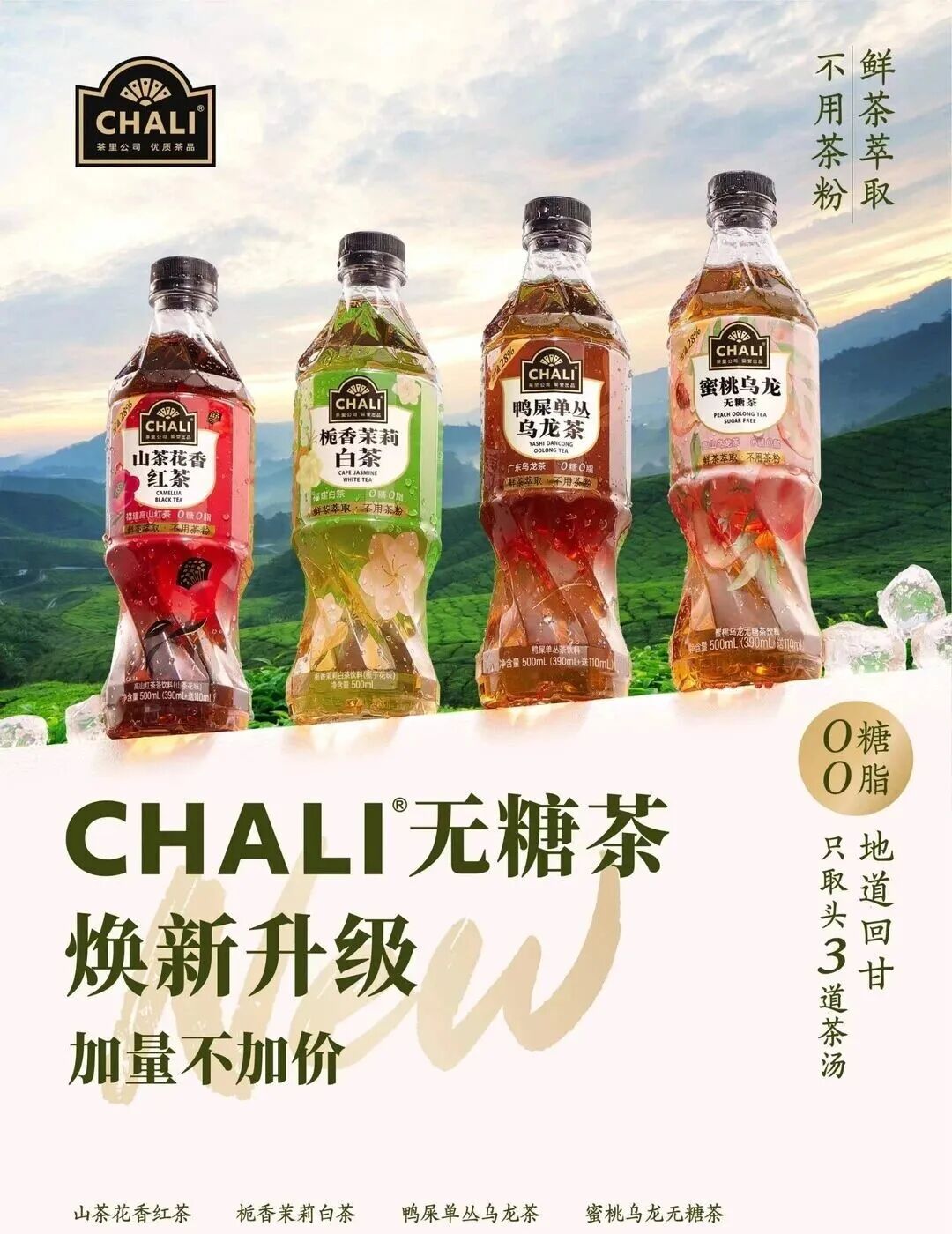
蜜桃乌龙

Search documents
“欠薪两亿”的茶里,靠酒店袋泡茶业务续命?
3 6 Ke· 2026-01-29 00:20
Core Insights - CHALI, a unicorn enterprise in Guangzhou, faces financial difficulties due to strategic missteps in its bottled tea business, leading to delayed salary payments and supplier settlements, with liabilities approaching 200 million yuan [1][7] - Surprisingly, CHALI's hotel business, which constitutes about 60% of its revenue, has emerged as a crucial support during this crisis [1][10] Group 1: Business Strategy and Performance - CHALI initially gained success by focusing on high-end bagged tea, achieving significant market presence by 2016, but faced a turning point in 2022 when it aggressively entered the bottled tea market [4][5] - The bottled tea venture has been a failure, with market share plummeting to 0.02% by Q3 2024, forcing CHALI to terminate the business and related divisions [5][7] - The hotel tea bag market, previously dominated by foreign brands, has become a lifeline for CHALI, as hotels tend to maintain stable supplier relationships once established [10][20] Group 2: Market Position and Competitive Landscape - CHALI has successfully penetrated over 7,000 high-end hotels, leveraging the growing demand for Chinese tea experiences in the hospitality sector [10][19] - The company has differentiated itself by offering transparent tea bags and innovative flavors, catering to the specific needs of various hotel settings [15][16] - Despite its current stability, the hotel tea bag market presents limited growth potential, and CHALI must find new growth avenues while managing risks associated with reliance on the hotel sector [21][32] Group 3: Future Challenges and Opportunities - The hotel tea bag market is becoming increasingly competitive, with both international brands and emerging local brands posing threats to CHALI's market share [23][28] - CHALI's extensive network of 137 quality tea garden suppliers provides a competitive edge, but the company must adapt to the evolving landscape of the tea industry, which is shifting towards a full supply chain competition [26][31] - The management emphasizes the need to stabilize cash flow from core bagged tea operations and optimize costs to ensure long-term viability [32][33]

新茶饮决战美国:喜茶纽约开LAB、霸王瞄准比佛利、瑞幸2美元搅局
创业邦· 2025-06-21 10:10
Core Viewpoint - The article discusses the rapid expansion of Chinese tea brands into international markets, particularly focusing on the strategies and challenges faced by these brands in developed countries like the United States and South Korea. The competition is intensifying as brands adopt different approaches to capture market share, with a notable shift from Southeast Asia to more mature markets in the West [4][20][23]. Group 1: Brand Expansion Strategies - Heytea has opened over 20 stores in the U.S., testing high-ticket markets with its LAB store model [5][25]. - Bawang Chaji targets affluent areas like Beverly Hills, with single-store investment costs several times higher than in China [7][27]. - Cha Baidao is boldly challenging the coffee-dominated South Korean market with a differentiated strategy [9][30]. Group 2: Market Performance and Financials - Bawang Chaji's overseas stores generated a GMV of 178 million yuan in Q1 2025, marking an 85.3% year-on-year increase [13][36]. - Despite rapid expansion, overseas revenue for brands like Mixue Ice City remains low, accounting for less than 5% of total revenue [22][50]. - Bawang Chaji's marketing expenses surged from 73.6 million yuan in 2022 to 1.1 billion yuan in 2024, indicating a high-cost strategy [52][53]. Group 3: Market Challenges - The U.S. market presents unique challenges, including high investment costs and lengthy approval processes for store openings, which can take 9-12 months [33][34]. - Compliance with local regulations significantly increases operational costs, as seen with the requirements for seating and restroom facilities in California [56]. - Local competition and imitation brands pose significant threats, complicating market entry and brand protection efforts [56][57]. Group 4: Supply Chain and Operational Efficiency - Bawang Chaji's simplified supply chain focuses on tea, milk, and packaging, resulting in lower logistics costs compared to fruit-based brands [49]. - The complexity of the supply chain for fruit tea brands creates challenges in overseas expansion, with some opting for local sourcing to mitigate costs [49][54]. - The article highlights that over 80% of restaurant brands face failure when expanding internationally, emphasizing the difficulties in establishing a sustainable presence abroad [50].