蝙蝠侠

Search documents
国际观察|特朗普放话要介入 奈飞收购华纳兄弟添变数
Xin Hua She· 2025-12-08 05:25
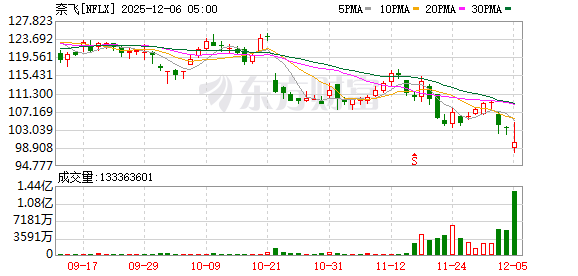
Core Viewpoint - Netflix has announced an agreement to acquire Warner Bros. Discovery's television, film production studios, and streaming business for a total of $82.7 billion, which is expected to significantly impact the entertainment industry and potentially lead to regulatory scrutiny [2][4][7]. Group 1: Acquisition Details - The acquisition includes Warner Bros. studios, which hold rights to major franchises like Harry Potter and Batman, as well as HBO, known for popular series such as Game of Thrones and The White Lotus, along with the HBO Max streaming platform [3]. - Netflix will pay $27.75 per share for Warner Bros. stock, totaling $72 billion, while also assuming Warner Bros. Discovery's debt, bringing the total transaction value to $82.7 billion [5]. Group 2: Market Impact - Analysts suggest that if the acquisition is successful, Netflix's market share in streaming could exceed 20%, significantly impacting competitors like Paramount and Comcast, which hold 5% and 4% respectively [4]. - The acquisition is viewed as a potential threat to traditional film distribution models, as Netflix may prioritize streaming over theatrical releases, which could lead to a decline in box office revenues [6]. Group 3: Regulatory Concerns - The acquisition is expected to undergo antitrust scrutiny, with the U.S. Department of Justice likely to investigate how this deal could solidify Netflix's dominant position in the industry [7]. - Concerns have been raised about the potential for reduced competition and higher prices for consumers, as Netflix has already increased subscription prices and limited password sharing [7]. Group 4: Industry Reactions - Industry figures, including director James Cameron, have expressed that the sale of Warner Bros. to Netflix could be disastrous for Hollywood, potentially stifling creativity and reducing job opportunities in the sector [6]. - The acquisition has sparked fears among independent producers and industry organizations about the negative impact on innovation and employment within the entertainment industry [6].


好莱坞AI再火拼 IP侵权争议不停
Nan Fang Du Shi Bao· 2025-09-12 23:14
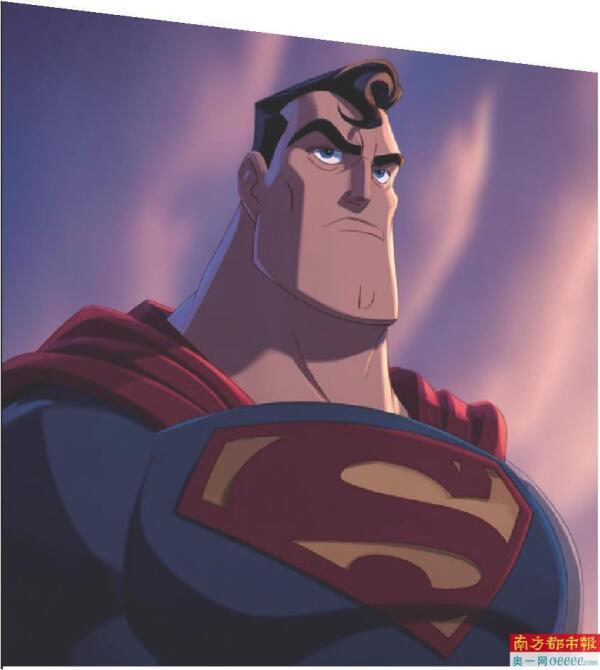
Core Viewpoint - Midjourney, an AI image generation company, is facing a lawsuit from Warner Bros. Discovery for copyright infringement related to iconic characters such as Superman and Batman, highlighting ongoing legal challenges in the AI-generated content space [4][6][11]. Group 1: Lawsuit Details - Warner Bros. filed the lawsuit on September 4, claiming that Midjourney used copyrighted materials for training its AI models without authorization, leading to the generation of infringing images and videos [6][11]. - The lawsuit cites specific examples where users can generate images of characters like Batman by inputting simple text prompts, which Warner Bros. argues constitutes direct infringement [6][7]. - Warner Bros. seeks compensation for actual damages or statutory damages up to $150,000 per infringed work, along with an injunction to prevent further unauthorized use of its IP [11]. Group 2: Previous Legal Issues - This is not the first lawsuit against Midjourney; earlier in June, Disney and Universal Pictures also filed a joint lawsuit against the company for similar copyright violations [8][9]. - Disney's lawsuit emphasizes that Midjourney is a "copyright parasite" and that the use of AI does not mitigate the infringement of copyrighted images and videos [8][9]. Group 3: Industry Implications - The ongoing legal battles are seen as pivotal in shaping the future of copyright law as it pertains to AI-generated content, with potential implications for the entire industry [9][12]. - The concept of "fair use" is expected to be a critical aspect of the upcoming legal proceedings, as Midjourney argues that its training practices fall under this principle [11][12]. - The case raises concerns about the impact of AI on traditional copyright protections and the potential for confusion among consumers regarding the legitimacy of AI-generated content [7][9].