
试管婴儿技术

Search documents
走进生命启航的 “临时港湾”
Xin Lang Cai Jing· 2026-01-12 16:57
Core Viewpoint - The article discusses the advancements in assisted reproductive technology, particularly in vitro fertilization (IVF), and emphasizes the importance of understanding its applications and implications for prospective parents [1][6]. Group 1: Understanding IVF - IVF, commonly referred to as "test-tube baby" technology, involves fertilizing an egg with sperm outside the body and then implanting the embryo into the uterus [1]. - Over 10 million babies have been born globally through assisted reproductive technologies, highlighting its significance in modern medicine [1]. Group 2: Suitable Conditions for IVF - IVF is applicable in cases where women have issues with their fallopian tubes or ovulation, allowing for egg retrieval and fertilization outside the body [2]. - It is also beneficial for men with low sperm count or poor sperm motility, facilitating direct fertilization [2]. Group 3: Different IVF Techniques - The first generation of IVF involves mixing eggs and sperm together, primarily addressing female infertility issues [4]. - The second generation uses a technique called intracytoplasmic sperm injection (ICSI) to directly inject a selected sperm into an egg, targeting male infertility [4]. - The third generation includes genetic testing of embryos to select healthy ones for implantation, suitable for couples at risk of hereditary diseases [4]. Group 4: Recommendations for Fertility - While IVF offers hope for infertile couples, it should not be the first option; preserving fertility through healthy lifestyle choices and timely medical intervention is crucial [5]. - Recommendations include maintaining a healthy lifestyle, regular health check-ups, and avoiding harmful substances [5]. Group 5: Expert Commentary - The article is praised for its clear explanation of assisted reproductive technologies, suitable candidates, and the importance of age and fertility preservation, contributing to effective communication between patients and healthcare providers [7].
浙江生殖医学团队援疆记:千里之外托起生命希望
Xin Lang Cai Jing· 2025-12-28 01:56
Core Viewpoint - The introduction of advanced IVF technology in Urumqi aims to assist infertile families in realizing their dreams of parenthood through a collaborative medical aid initiative from Zhejiang University Women's Hospital [1][3]. Group 1: Medical Aid Initiative - The medical aid initiative began in September 2020, focusing on establishing a comprehensive reproductive technology system in Xinjiang, with experts from Zhejiang University Women's Hospital stationed at local hospitals [1][3]. - Over five years, a complete and independent assisted reproductive technology system was developed, providing hope to infertile families [3][10]. Group 2: Success Stories - A case study highlights a patient, referred to as Xiaomin, who underwent successful IVF treatment after losing her fallopian tubes, resulting in a healthy baby born in May 2024 [4][5]. - By the end of 2025, the reproductive medicine department at Xinjiang People's Hospital is expected to have completed over 500 cycles of assisted reproductive technology [5]. Group 3: Systematic Development - The initiative is led by prominent figures such as Academician Huang Hefeng, who emphasizes a systematic approach to building local medical capabilities through training and technology transfer [7][9]. - A "two-location integrated" treatment model was introduced, allowing patients from Akesu and surrounding areas to access advanced medical services in Urumqi [8][9]. Group 4: Training and Capacity Building - Local clinical and nursing teams are receiving hands-on training at Zhejiang University Women's Hospital, ensuring the sustainability of skills and knowledge transfer [9][10]. - The establishment of a remote consultation mechanism allows for real-time expert guidance, enhancing the quality of care provided to patients in Xinjiang [8][10].

多地补助试管婴儿,全链条生育支持体系持续完善
Di Yi Cai Jing· 2025-12-11 12:24
Core Viewpoint - The establishment of a comprehensive reproductive support system is crucial for reducing the costs associated with childbirth and child-rearing, with various local governments implementing supportive measures to enhance this system [1][2]. Group 1: Financial Support Measures - Jingmen City has introduced a reproductive support policy that includes subsidies for assisted reproductive technologies, offering up to 3,000 yuan for artificial insemination and 10,000 yuan for in vitro fertilization (IVF), effective from January 1, 2026 [1]. - The implementation of the subsidy guidelines in Panzhihua City provides a one-time 5,000 yuan subsidy for eligible pregnant women undergoing assisted reproduction [1]. - Jilin Province has allocated a total budget of 690 million yuan for reproductive support, including subsidies for child-rearing and maternity leave costs [3]. Group 2: Legislative and Policy Developments - The revised Population and Family Planning Regulations in Sichuan Province extend maternity leave, paternity leave, and marriage leave, and introduce a cost-sharing mechanism for maternity leave to alleviate the financial burden on enterprises [2]. - The Hunan Provincial Government has issued ten measures to promote a family-friendly society, including subsidies for childcare and support for institutions providing childcare services [2]. Group 3: National Initiatives and Achievements - The National Health Commission has reported improvements in the reproductive policy framework, including tax deductions for childcare costs and direct disbursement of maternity benefits, with annual subsidies of 3,600 yuan for eligible children under three years old [4]. - As of now, there are 126,000 childcare service institutions in China, with a total of 6.657 million childcare slots, exceeding the target set in the 14th Five-Year Plan [4]. - Various provinces have extended maternity leave to 158 days or more, with additional paternity leave and childcare leave, fostering a supportive environment for childbirth [4].
深入精子库,为何那么多人生不出孩子
36氪· 2025-12-11 00:01
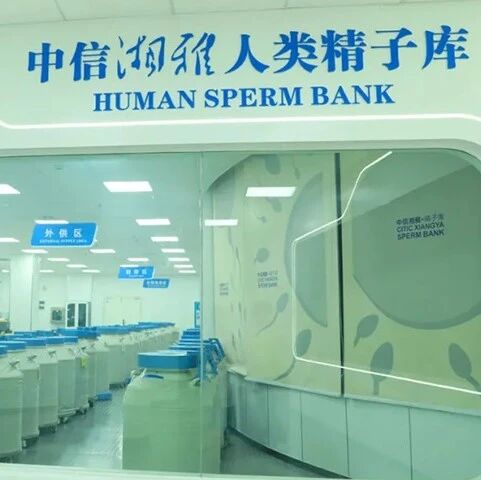
Core Viewpoint - The article discusses the challenges and opportunities in reproductive health, emphasizing the importance of early childbearing and the declining quality of male sperm, while also highlighting the advancements in assisted reproductive technologies [4][5][6]. Group 1: Reproductive Health Challenges - The incidence of infertility in China has increased from 12% in 2007 to 18% in 2020, with male and female factors contributing equally to infertility [9]. - Women over 35 face significant declines in fertility due to reduced egg quantity and quality, while men also experience declining sperm quality with age [8][9]. - The societal trend of late marriage and childbearing is influenced by various factors, including career pressures and educational costs, leading to a rise in high-age pregnancies [9][10]. Group 2: Sperm Quality Decline - Data from the Central South University shows a significant decline in sperm quality, with the acceptance rate for donated sperm dropping from 45.9% in 2006 to around 20% currently [11][12]. - The World Health Organization has revised the normal reference values for sperm parameters, indicating a downward trend in male fertility [11][12]. - Factors such as lifestyle choices, including sleep patterns and stress, significantly impact sperm quality, with younger individuals showing better sperm parameters compared to older students [13][16]. Group 3: Assisted Reproductive Technologies - The Central South University reproductive center has frozen approximately 820,000 embryos, with many serving as a form of "fertility insurance" for couples [28]. - The center emphasizes the importance of sperm donation and the strict regulations surrounding it, including the anonymity of donors and the limitation on the number of births per donor [20][22]. - Advances in reproductive technology are shifting the focus from sperm donation to self-sperm storage and fertility preservation, reflecting a growing trend in the market [23][28].
科学认知辅助生殖技术 为生育支持提供助力
Ren Min Wang· 2025-08-04 06:11
Group 1 - The core viewpoint emphasizes the importance of improving reproductive support policies to promote high-quality population development, with assisted reproductive technology (ART) playing a crucial role [1] - Recent policies have included suitable assisted reproductive technologies in medical insurance reimbursement, providing financial relief for patients with reproductive obstacles [2][3] - The integration of ART into medical insurance not only alleviates economic burdens but also reduces psychological stress for patients, encouraging more families to seek treatment [2] Group 2 - The development of ART has undergone three iterations since the first test-tube baby was born in China in 1988, with each generation addressing different reproductive issues [4] - The first generation focuses on in vitro fertilization and embryo transfer, the second on intracytoplasmic sperm injection for male infertility, and the third on genetic screening to reduce risks of miscarriage and birth defects [4][5] - Patients are advised to choose the appropriate ART based on their specific conditions, such as opting for conventional IVF for tubal infertility or genetic screening for chromosomal abnormalities [4] Group 3 - Weight management is highlighted as a significant factor affecting the success of ART, with obesity potentially leading to reproductive endocrine dysfunction and complications during pregnancy [6][7] - Patients seeking ART are encouraged to achieve a stable weight through dietary and exercise adjustments before undergoing treatment to ensure safety during pregnancy [7] - The integration of artificial intelligence in reproductive medicine is being explored to enhance treatment outcomes, including the development of ovarian function prediction software and improved embryo selection processes [6][8]