象粪甜品

Search documents
天价账单与象粪甜品:餐饮乱象拷问行业底线
3 6 Ke· 2025-08-18 04:03
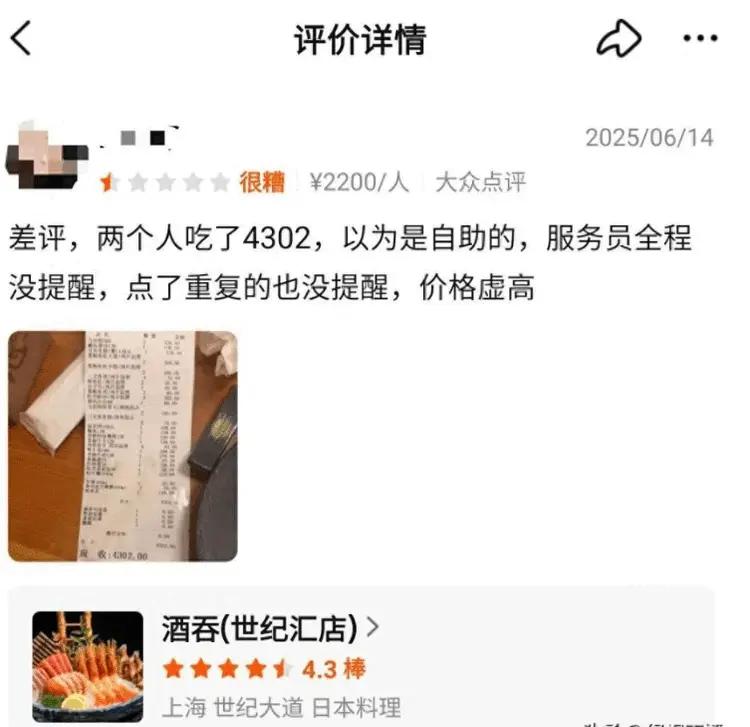
Core Insights - The restaurant industry in the Yangtze River Delta is facing a significant trust crisis, with a total of 315,000 complaints in the first half of 2025, of which 21.4% are related to pricing disputes and food safety complaints have increased by 17.3% year-on-year [1][3] - The national restaurant revenue growth rate has slowed to 4.3%, while consumer confidence has dropped to a five-year low, indicating a disconnect between pricing practices and consumer trust [1][3] Pricing Issues: Consumer Traps - High-end restaurants are exploiting information asymmetry, leading to consumer confusion and unexpected high bills, as seen in a case where a couple's meal cost 4,302 yuan instead of the expected 960 yuan [3][5] - Complaints about ambiguous pricing, such as "market price" and "additional charges," account for 85% of pricing-related disputes, highlighting a trend of misleading pricing practices [5][7] Food Safety and Innovation Concerns - The incident involving a dessert made from elephant dung reflects a troubling trend where restaurants prioritize sensationalism over food quality, risking violations of food safety laws [8][10] - The use of unconventional ingredients, such as insects, is being marketed as "creative cuisine," but this often violates food safety regulations, leading to a potential erosion of consumer trust [10][12] Industry Challenges: Regulatory and Self-Regulatory Failures - The restaurant industry is plagued by low entry barriers, slow regulatory responses, and inadequate standards, with 68% of disputes arising from a lack of preventive measures [12][13] - The existing food safety laws are ambiguous regarding "new ingredients," leading to inconsistent enforcement across regions, and platforms like Dazhong Dianping are failing to properly categorize restaurants, exacerbating consumer confusion [12][13] Solutions: Building a Transparent Consumption Ecosystem - To address these issues, the industry must implement a "three confirmations" system for consumers to verify pricing and meal types, which has shown to reduce disputes significantly [13][15] - Platforms should improve their algorithmic logic to prevent misleading classifications, and regulatory bodies need to increase penalties for pricing fraud and food safety violations [15][16]